
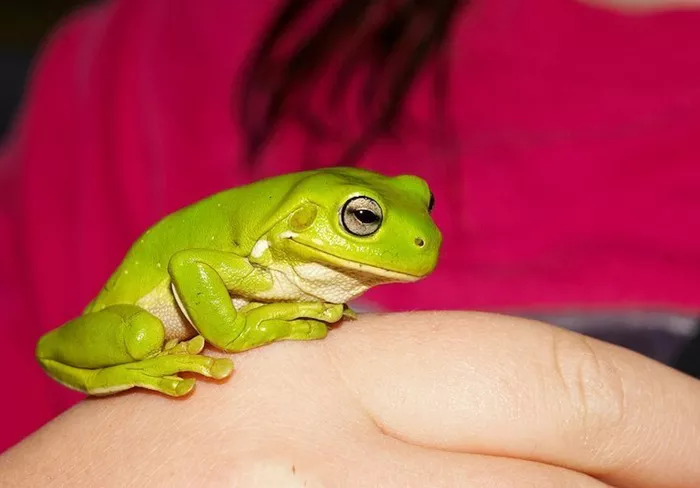
White’s Tree Frogs (scientific name Litoria caerulea) are a fascinating species of amphibians. Also known as dumpy tree frogs or Australian green tree frogs, they are native to Australia, Indonesia, and Papua New Guinea. These frogs have become popular as exotic pets due to their calm nature, hardy bodies, and distinctive smiles. Many people interested in owning or caring for them often ask the same question: do White’s Tree Frogs burrow?
This is an important topic because understanding the natural behaviors of this species helps in providing proper care in captivity. Burrowing behavior is common in many amphibians, especially terrestrial and semi-aquatic species. But White’s Tree Frogs are mostly arboreal. This means they spend the majority of their time above the ground, especially in trees.
Still, nature is not always black and white. Even animals adapted for climbing may display different behaviors depending on environmental conditions. That includes White’s Tree Frogs. This article explores whether they burrow, when they might do so, what burrowing means for their health, and how to manage this in a captive environment.
White’s Tree Frog Natural Habitat
White’s Tree Frogs are native to warm, humid environments. In the wild, they are found in tropical and subtropical forests. Their habitats often include:
Tree canopies
Moist, leafy vegetation
Rock crevices
Human structures such as drainpipes or windowsills
Despite being labeled “tree frogs,” they are opportunistic. They make use of both vertical and horizontal spaces when needed. While they prefer climbing, they may venture to the ground for moisture, food, or shelter.
Unlike many ground-dwelling amphibians, White’s Tree Frogs are not diggers by nature. They do not rely on underground burrows to hide or escape from predators. Instead, they use camouflage, stillness, and elevation to stay safe.
Do White’s Tree Frogs Burrow in the Wild?
In the wild, these frogs rarely burrow in the traditional sense. Their bodies are not built for digging. They do not have the strong forelimbs or shovel-like structures that burrowing amphibians possess.
However, they may exhibit shallow burrowing or hiding behaviors under leaf litter, bark, or loose soil during certain times:
Dry Seasons: In extreme heat or drought, they may crawl under moist debris or soil to avoid dehydration.
Temperature Drops: They may seek insulation under natural cover to maintain body warmth.
Predator Avoidance: On the ground, they may temporarily tuck themselves into soft substrate to hide.
This behavior is more about hiding and moisture retention than true burrowing. It’s similar to a person seeking shade rather than digging a tunnel.
White’s Tree Frogs in Captivity
In captivity, behaviors can vary from those in the wild. White’s Tree Frogs may display burrowing-like actions if their environment is not properly maintained. For example:
If the enclosure is too dry: A frog might dig into the substrate to find moisture.
If the temperature is too low: It might try to bury itself to conserve heat.
If stressed or ill: Burrowing can be a coping mechanism.
These are signs of distress rather than normal behavior. They indicate that something in the enclosure needs adjustment.
Captive White’s Tree Frogs generally spend their time perched on branches, leaves, or tank walls. If one is constantly on the ground and hiding under substrate, it’s a red flag.
What Counts as Burrowing?
To understand if White’s Tree Frogs burrow, it’s important to define what burrowing actually is. In zoological terms, burrowing is the act of digging into soil or another substrate to create a shelter. True burrowers, such as toads or spadefoot frogs, have powerful limbs adapted to digging tunnels or chambers underground.
White’s Tree Frogs lack these adaptations. Their toes are long, sticky, and suited for climbing rather than digging. So when they press into the soil, it’s usually a shallow maneuver done to regulate body moisture, not to construct a den or hideout.
Why Might a White’s Tree Frog Dig?
Still, there are conditions where your frog may dig. Here are some key reasons:
1. To Escape Heat or Dehydration
Humidity is vital for White’s Tree Frogs. Their skin must stay moist for proper respiration. If the tank is too dry, they may press into the substrate to find a more humid microclimate.
2. To Avoid Light
These frogs are nocturnal. During the day, they may avoid strong lighting. If there are no shaded areas, they might dig slightly to escape the brightness.
3. Illness or Injury
Sick frogs may isolate themselves or hide more than usual. This may include burrowing behavior. If this occurs, check for other signs of illness, such as weight loss, discoloration, or lethargy.
4. Brumation (Inactivity Phase)
Although not common in captive frogs, brumation is a form of dormancy. Some keepers report their frogs burrowing or remaining motionless for long periods in cool conditions. This is risky for tropical species like White’s Tree Frogs and should be avoided in captivity.
How to Set Up a Proper Enclosure
To discourage unnecessary burrowing, it’s essential to replicate their natural habitat. Here’s how:
1. Use the Right Substrate
Use moisture-retentive substrates such as:
Coconut fiber
Sphagnum moss
Organic soil (without fertilizer)
These allow for occasional hiding but don’t encourage full burrowing. Avoid sand or gravel, which can cause impaction if swallowed.
2. Maintain Proper Humidity
Ideal humidity should be between 50% and 70%. Use a hygrometer to monitor levels. Mist the enclosure regularly but avoid waterlogging.
3. Temperature Control
Keep daytime temperatures around 75°F to 85°F (24°C to 29°C) and nighttime temperatures no lower than 65°F (18°C). Use a heat lamp if needed.
4. Provide Hiding Spots
Instead of forcing the frog to burrow, offer alternative hiding options like:
Cork bark
Artificial foliage
Hollow logs
Commercial hides
These reduce stress and replicate the frog’s natural environment.
When to Worry About Burrowing Behavior
While occasional ground hiding is not unusual, persistent burrowing should prompt investigation. Ask yourself:
Has the humidity dropped recently?
Is the lighting too intense?
Is the frog showing signs of illness?
Is the substrate too dry or compact?
Correcting husbandry errors usually resolves abnormal behaviors.
Are There Similar Tree Frogs That Burrow?
Some tree frog species do burrow, particularly those that live in regions with pronounced dry seasons. However, they are usually adapted to this behavior. White’s Tree Frogs are not among them.
For example:
The Australian water-holding frog burrows to survive in arid areas.
The budgett’s frog, while not a tree frog, is an excellent burrower.
These comparisons help clarify why the question of burrowing arises, even for arboreal species.
Conclusion:
White’s Tree Frogs do not naturally burrow. They may press into moist soil or hide under objects when necessary, but they are not diggers by design. If your frog is burrowing, it may be a sign that something is wrong with the environment.
Understanding your frog’s natural habits, anatomy, and needs will help you provide better care and prevent stress-induced behaviors. In summary:
−Burrowing is not typical for White’s Tree Frogs.
−Shallow hiding may occur in response to dryness or light.
−Persistent burrowing is abnormal and suggests enclosure problems.
With the right setup, your frog will spend most of its time climbing, exploring, and resting on elevated perches—just as nature intended.
Related topics: