
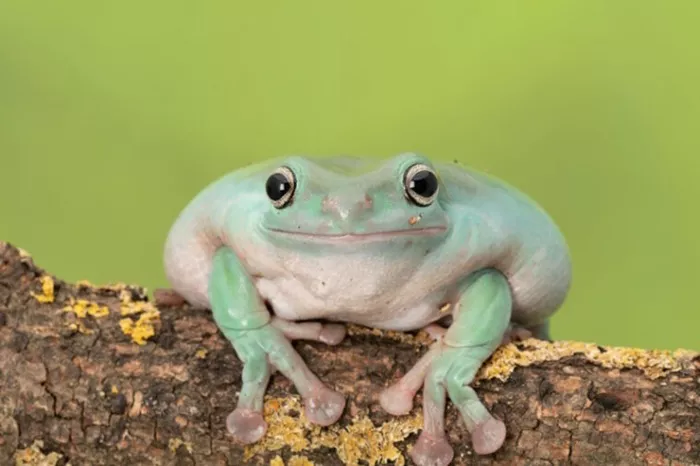
White tree frogs, also known as Litoria caerulea, are fascinating amphibians native to Australia, New Guinea, and parts of Indonesia. Their gentle nature, distinctive calls, and charming appearance have made them popular pets around the world. But beyond their appeal as exotic pets, white tree frogs also hold ecological importance in the wild. Like all frogs, their reproductive cycle plays a key role in maintaining amphibian populations and supporting the health of their ecosystems.
Mating in white tree frogs is a seasonal process. It is triggered by environmental changes, especially in humidity, temperature, and rainfall. These frogs do not breed at random times. Instead, their behavior follows predictable patterns shaped by natural cycles in the environment. For frog keepers, conservationists, or anyone curious about amphibian biology, understanding when and why white tree frogs mate offers important insights into their care and survival.
In this article, we explore the complete breeding behavior of white tree frogs—from the environmental cues that prompt mating, to the specific seasons and conditions in which it happens. We’ll also discuss how males and females behave during the mating process, and what to expect during egg-laying and development. Whether you are a zoologist, a herpetologist, or a frog enthusiast, this guide will deepen your understanding of one of nature’s most intriguing animals.
The Natural Habitat of White Tree Frogs
To understand when white tree frogs mate, we must first look at their natural habitat. These frogs thrive in warm, humid environments, typically in tropical and subtropical regions. In the wild, they are found in:
Northern and eastern Australia
New Guinea
Some parts of Indonesia
Occasionally introduced populations in New Zealand and Florida
These habitats are characterized by distinct wet and dry seasons. During the dry season, water sources shrink and food becomes scarce. In contrast, the wet season brings heavy rainfall, floods, and a surge of insect life. It is during this wet season that white tree frogs become most active, especially in terms of reproduction.
Rain is not just a backdrop for their activities—it is the key trigger for mating. The wet season provides optimal conditions for egg laying and tadpole development. Ponds, ditches, and temporary pools form, creating the aquatic environments needed for the eggs to hatch and the tadpoles to grow.
The Role of Environmental Cues in Mating
White tree frogs are very sensitive to environmental changes. Their reproductive cycle is synchronized with the climate around them. This sensitivity is essential because it ensures that offspring are born at the time when their chances of survival are highest.
Temperature and Humidity
A rise in temperature and humidity typically precedes the breeding season. In the southern hemisphere, this usually means the months of November through March. These months mark the summer and early autumn seasons in Australia and New Guinea. Temperatures often exceed 25°C (77°F), and high humidity levels make the environment ideal for amphibian activity.
Frogs have porous skin and rely on moisture to breathe and regulate their internal water balance. High humidity allows them to remain active for longer periods, climb trees, and search for mates without drying out.
Rainfall
Rain is perhaps the most powerful environmental signal for reproduction. As the first storms of the wet season begin, male white tree frogs emerge from hiding and begin calling. Rainwater collects in low-lying areas, forming temporary pools that provide safe places for eggs.
In captivity, breeders often simulate this rainy season by misting the enclosure, increasing ambient humidity, and gradually raising the temperature. Sometimes, artificial “rain chambers” are used to mimic natural rainfall and encourage frogs to breed.
Seasonal Mating Patterns in the Wild
In their natural habitat, white tree frogs primarily mate during the wet season, which lasts from late spring to early autumn. In most regions, the breeding season starts around November and continues through March. This period aligns with:
Warmer temperatures
Longer days and more daylight hours
Frequent rainfall
Abundant insect populations for feeding
During the early part of the wet season, male frogs start calling to attract females. Their calls become more frequent and intense after heavy rains. Female frogs listen for these vocalizations and will approach a male if they are ready to mate. The peak of the mating season often occurs during December and January, when rainfall is heaviest and water bodies are most abundant.
By the end of the wet season in March, mating activity declines. Frogs become less active, and as the dry season returns, they seek shelter and enter a state of reduced activity or dormancy known as aestivation.
Courtship and Mating Behavior
Male Calling Behavior
Male white tree frogs begin the mating process by calling. These calls are deep, resonant, and can be quite loud. The primary purpose of calling is to attract females, but it also serves to warn other males away from a claimed territory.
Males often choose elevated or moist areas near water to call from. These positions give them better visibility and sound projection. The frequency and strength of their calls can indicate their health and genetic quality. Females typically prefer males with strong, regular calls.
Amplexus: The Mating Position
Once a female approaches a calling male, he climbs onto her back and grips her tightly. This position is called amplexus, a common behavior among frogs. During amplexus, the male fertilizes the eggs externally as the female lays them in water.
Amplexus can last from several hours to over a day. During this time, both frogs remain near or within the water. The female will deposit hundreds, sometimes thousands, of eggs in jelly-like clusters. The male continues to release sperm as the eggs emerge.
Egg Laying and Tadpole Development
Choosing the Egg Site
White tree frogs typically lay their eggs in temporary or shallow water bodies formed after rain. These can include:
Flooded ditches
Ponds
Rain-filled tree hollows
Backyard puddles or containers (in urban areas)
These environments are ideal because they have fewer predators than permanent water bodies and offer warm, oxygen-rich water for rapid development.
From Eggs to Tadpoles
Once the eggs are fertilized and laid, they begin to develop almost immediately. Within 24–48 hours, the embryos become visible. Tadpoles hatch after about 2 to 4 days, depending on temperature and water quality. Warm water speeds up the development process.
Tadpoles feed on algae and organic debris in the water. They go through several growth stages, developing legs, absorbing their tails, and eventually metamorphosing into froglets. The entire transformation from tadpole to frog usually takes six to twelve weeks, depending on environmental conditions.
Mating Behavior in Captivity
Breeding white tree frogs in captivity requires careful control of environmental factors. Since these frogs rely on seasonal cues to mate, owners must simulate these changes to induce breeding.
Creating a Breeding Environment
Captive breeders often use a special breeding tank or “rain chamber” that mimics the wet season. Steps include:
−Gradually increasing temperature and humidity
−Using misting systems or gentle showers to simulate rainfall
−Providing live plants and water features
−Feeding frogs high-protein diets to condition them for breeding
When these conditions are maintained for several days, males will begin to call. If a receptive female is present, amplexus may occur shortly after.
Captive Egg and Tadpole Care
In captivity, breeders usually transfer eggs to a separate tank to protect them and ensure clean water. Tadpoles are fed commercial or homemade food, including algae wafers, boiled lettuce, or powdered fish food. Frequent water changes and good filtration help prevent infections and promote healthy growth.
Mating Frequency and Reproductive Limits
White tree frogs are capable of breeding multiple times in a single wet season. However, this depends on the availability of mates, food, and appropriate environmental conditions. In the wild, frogs typically breed once or twice per season. In captivity, breeding can be extended or repeated if artificial wet-season conditions are maintained.
However, constant breeding is physically taxing. Female frogs, in particular, need time to replenish their energy and recover from egg-laying. Breeding too frequently can weaken the frogs and shorten their lifespan. Responsible breeding involves giving the animals ample rest between reproductive events.
What Happens After the Mating Season Ends?
As the rainy season ends, water sources dry up. White tree frogs reduce their activity and seek shelter in moist, shaded areas. This period, known as aestivation, helps them survive the heat and dryness of the dry season.
During aestivation:
−Frogs hide in tree hollows, under leaves, or in cool crevices
−Their metabolism slows down
−They eat less and become less active
This period of rest is crucial for their survival and overall health. When the next wet season arrives, they emerge once again to breed and continue the cycle.
Threats to Reproductive Success
Like many amphibians, white tree frogs face several challenges that can affect their ability to reproduce successfully:
Habitat loss: Deforestation and urbanization can destroy breeding sites.
Pollution: Chemicals in water can harm eggs and tadpoles.
Climate change: Altered rainfall patterns can disrupt breeding cycles.
Invasive species: Predators or competitors can reduce egg and tadpole survival.
Conservation efforts focus on preserving natural habitats, protecting wetlands, and educating the public on responsible pet ownership and breeding practices.
Conclusion:
White tree frogs mate in harmony with the seasons. Their entire reproductive cycle is closely linked to temperature, humidity, and rainfall patterns. In the wild, mating begins with the arrival of the wet season and ends as the dry season approaches. This timing ensures the best conditions for laying eggs and developing tadpoles.
Whether you observe them in the wild or in captivity, white tree frogs demonstrate complex and fascinating behaviors during mating. Their calls, movements, and parenting strategies are all carefully adapted to ensure the survival of the next generation. Understanding when and how they breed not only deepens our appreciation for these animals but also helps ensure their continued survival in a changing world.
Related topics: