
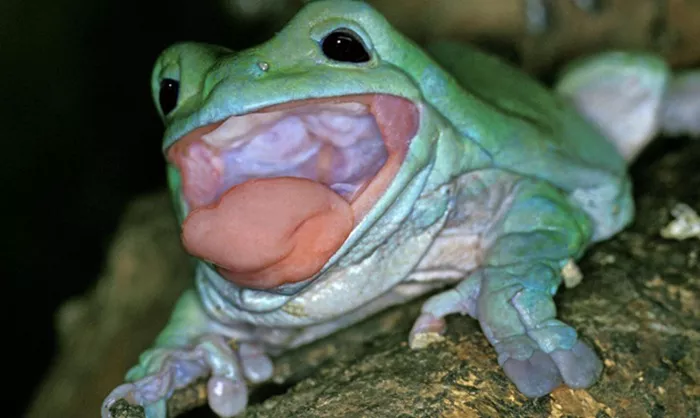
White tree frogs (scientific name Litoria caerulea) are among the most popular pet amphibians in the world. Often called the “dumpy tree frog” due to their pudgy appearance, these frogs are native to Australia, New Guinea, and parts of Indonesia. They have adapted well to both wild and captive environments and are known for their calm demeanor and tolerance of human handling. But one question that commonly arises among new or prospective owners is: Are white tree frogs poisonous?
This question is not just about curiosity. It involves real concerns about safety—both for the humans who might handle them and for other pets or animals in the environment. In this article, we will explore the biological makeup of the white tree frog, its potential for toxicity, and the implications of contact for humans and other animals.
To provide clarity, we will examine the chemical compounds found in their skin, the difference between being poisonous and venomous, and how their biology helps them survive in the wild. We will also look at the safety of handling these frogs in captivity, what precautions should be taken, and how their toxins affect predators.
Let’s explore the question from a zoological perspective.
What Does “Poisonous” Really Mean?
Defining the Terms
In zoology, it’s important to distinguish between poisonous and venomous:
A poisonous animal delivers toxins when touched or eaten.
A venomous animal injects toxins through a bite or sting.
White tree frogs are not venomous—they cannot inject toxins through a bite. But they do have skin secretions that may qualify them as mildly poisonous under specific conditions.
Why Frogs Develop Toxins
Amphibians evolved skin toxins as a defense mechanism against predators. Since many frogs are small and fragile, they cannot outrun or fight off threats. Their skin glands produce chemicals that taste bad, cause irritation, or even affect the nervous systems of other animals. This evolutionary trait increases their survival rate in environments with birds, snakes, or mammals as predators.
The Skin of the White Tree Frog
The Role of Skin Secretions
White tree frogs have special glands in their skin that produce waxy and mucous-like secretions. These secretions serve multiple purposes:
Prevent dehydration in dry environments.
Protect against pathogens like fungi or bacteria.
Deter predators with unpleasant or mildly toxic compounds.
The chemical cocktail released is usually harmless to humans, especially healthy adults, but may cause mild irritation in sensitive individuals or if it comes into contact with mucous membranes (eyes, nose, mouth).
The Chemicals Involved
Studies on white tree frogs have shown that their secretions may include:
Peptides: Such as caerins, which have antimicrobial properties.
Alkaloids: Mildly toxic compounds that may cause numbness or discomfort.
Dermorphin and deltorphin: Rare opioid-like peptides, though these are more commonly found in South American species.
The concentration of these substances in white tree frogs is relatively low compared to species like poison dart frogs. Still, they can be biologically active.
Are White Tree Frogs Dangerous to Humans?
Handling and Safety Concerns
For the average human, white tree frogs pose no significant danger. Their toxins are not potent enough to cause serious harm. However, certain precautions should always be taken:
Avoid touching your eyes, nose, or mouth after handling.
Wash your hands thoroughly with warm water and soap.
Do not allow children to put frogs in their mouths.
People with allergies or compromised immune systems should take extra care. Skin reactions, such as mild redness or itching, are rare but possible.
Case Examples and Veterinary Reports
There are very few documented cases of white tree frogs causing health problems in humans. When incidents do occur, they tend to involve:
Eye irritation from touching the face after handling.
Allergic dermatitis from repeated exposure.
Mild stomach upset in pets that lick or chew on the frog.
None of these cases are life-threatening, but they underline the importance of hygienic handling.
How Toxins Help White Tree Frogs in the Wild
Predator Deterrence
White tree frogs live in areas with a variety of predators, including snakes, birds, and mammals. When threatened, the frog will often:
Inflate its body to appear larger.
Release skin secretions to make itself unappetizing or irritating to a predator.
Emit warning calls that may startle an attacker.
The skin toxins do not kill predators, but they make the frog unappealing to eat. Over time, predators learn to avoid them.
Microbial Protection
Another major function of the frog’s skin secretions is antimicrobial defense. In the wild, amphibians are constantly exposed to bacteria, fungi, and parasites. The peptides in their skin help prevent infections and improve survival.
This natural barrier also benefits the frog in captivity, where closed systems can expose amphibians to high concentrations of pathogens.
Toxicity Compared to Other Frogs
Not All Frogs Are Equal
To put things in context, it’s helpful to compare white tree frogs to other well-known species:
Poison dart frogs (Dendrobatidae) are highly toxic and can kill small anima
Cane toads (Rhinella marina) have strong toxins that can poison pets and wildlife.
Pacman frogs have mild toxins and a powerful bite but are not considered deadly.
White tree frogs are on the low end of the toxicity spectrum. Their secretions are more defensive than harmful.
Can White Tree Frogs Kill Pets?
Most dogs or cats that lick or chew on a white tree frog will experience minor symptoms, such as:
Drooling
Vomiting
Pawing at the mouth
Temporary lethargy
These symptoms usually resolve within a few hours. That said, always consult a veterinarian if your pet interacts with a frog.
Are White Tree Frogs Poisonous to Other Frogs?
Species Interactions
Some amphibians can be housed together, while others cannot due to toxin incompatibilities. White tree frogs secrete mild substances that could stress or harm more sensitive amphibian species if housed in the same enclosure.
For this reason, experts often recommend single-species tanks to avoid complications.
Captive Care and Safe Handling
Proper Handling Techniques
If you own a white tree frog or plan to handle one, follow these steps:
Wet your hands before picking up the frog. Dry hands can damage their skin.
Be gentle. Avoid squeezing or holding too tightly.
Limit handling time. Prolonged stress can weaken the frog’s immune system.
Wash your hands after contact to remove any secretions.
Avoiding Accidental Exposure
To reduce risk:
Keep frogs away from food preparation areas.
Don’t allow frogs near your eyes or mouth.
Educate children on proper handling.
These precautions keep both the frog and the human safe.
What If You’re Allergic?
Recognizing Symptoms
Although rare, some individuals may have allergic reactions to amphibian skin secretions. Symptoms may include:
Itchy or watery eyes
Sneezing or runny nose
Skin rash
Breathing difficulties (in extreme cases)
If you notice these symptoms, stop contact immediately and seek medical advice.
Conclusion: Are White Tree Frogs Poisonous?
White tree frogs are mildly poisonous, but they are not dangerous to humans under normal circumstances. Their skin secretions contain compounds that:
Deter predators
Protect from microbes
Can mildly irritate humans or pets
However, these effects are low in severity and can be easily managed through simple hygiene and proper handling.
From a zoological standpoint, their toxicity is an evolutionary adaptation that plays a crucial role in their survival—but not something that should cause concern for responsible owners.
So, are white tree frogs poisonous? Technically, yes—but only mildly so. And with the right knowledge, they remain one of the safest and most charming amphibians to keep as pets.
Related topics: