
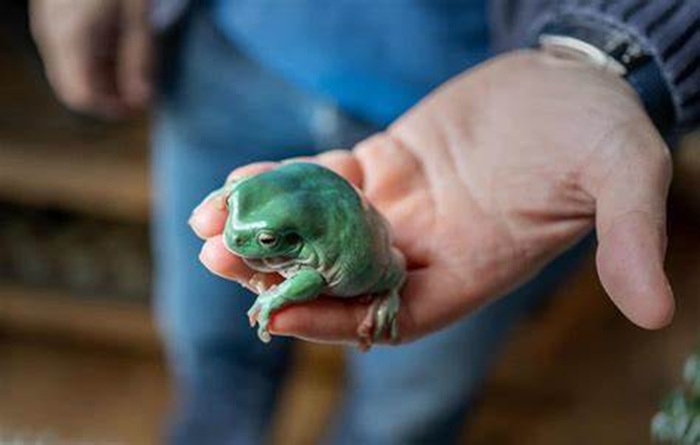
White tree frogs, also called Litoria caerulea, are some of the most charming amphibians in the exotic pet world. Known for their wide grins, calm personalities, and striking green-to-blue skin tones, these frogs have become increasingly popular among pet enthusiasts. If you’re thinking of getting one, one of the first questions you’ll ask is: how much does a white tree frog cost?
But the answer is not as simple as a single number. The cost of a white tree frog can vary widely depending on several factors, including age, color morph, breeder reputation, and geographic location. Beyond the initial price of the frog, there are also other essential costs to consider — like habitat setup, ongoing care, and veterinary expenses.
This article will guide you through the detailed pricing landscape of white tree frogs. We’ll break down not only the initial purchase price, but also the long-term costs associated with owning one. Whether you’re a new hobbyist or a seasoned herpetologist, this comprehensive guide will help you make an informed decision.
Understanding the Basics of White Tree Frog Pricing
White tree frogs are relatively affordable when compared to other exotic pets. They are hardy, adaptable, and generally easy to care for. These traits make them suitable for beginners. However, not all white tree frogs are priced equally. Several factors influence their market price.
Let’s start with a basic overview.
Typical Price Range for White Tree Frogs
On average, white tree frogs cost between $20 and $80 in pet stores or from reputable breeders. The price depends on whether the frog is:
A juvenile or adult
A wild-type or a color morph
Captive-bred or wild-caught
Juvenile frogs tend to be cheaper because they require more time and effort to raise to maturity. Adult frogs, especially those proven for breeding, may be more expensive. Color morphs like “Snowflake,” “Blue Phase,” or “Albino” can fetch higher prices, sometimes exceeding $100 or more.
Factors That Affect the Cost of White Tree Frogs
Several key variables affect the price of a white tree frog. Let’s look at them more closely.
1. Age of the Frog
Age is a significant factor in pricing.
Tadpoles and Froglets: These are often the cheapest, ranging from $15 to $30. However, they require careful handling and are more delicate.
Juveniles: Young frogs (2–5 months old) are moderately priced, around $25 to $50.
Adults: Fully mature white tree frogs can cost between $50 and $100 depending on their condition, size, and potential for breeding.
Older frogs may cost more because they are past their vulnerable stages and easier for beginners to care for.
2. Color Morphs and Rarity
White tree frogs are naturally green or blue-green, but some individuals exhibit rare color morphs. These special colorations can significantly raise the price.
Standard Green: $20 to $40
Blue Phase: $50 to $80
Snowflake Morph: $80 to $120
Albino or Leucistic: May exceed $150 if available
These color variations are generally the result of selective breeding. They’re considered more visually appealing by collectors and enthusiasts, which makes them more expensive.
3. Captive-Bred vs. Wild-Caught
Captive-bred frogs are always the better choice for responsible pet ownership. While wild-caught frogs may be cheaper — sometimes sold for $15 to $30 — they often come with health issues, parasites, and a higher stress level due to poor handling and transportation.
Captive-bred frogs, on the other hand, are typically healthier, easier to handle, and adapt better to life in captivity. They might cost more upfront, but they save you trouble (and money) in the long run.
4. Breeder Reputation and Location
Well-known breeders who specialize in amphibians tend to charge more. However, their frogs are generally healthier, have documented genetics, and are better socialized. You are paying for quality and peace of mind.
Geographic location also matters. In larger cities or states with more reptile expos, prices may be lower due to higher availability and competition. In rural or colder areas where exotic pets are less common, prices might be higher due to transportation and supply limits.
5. Shipping Costs
If you’re buying your frog online, expect to pay an additional $30 to $60 for overnight shipping. Frogs must be shipped in insulated boxes with heat or cold packs to ensure their safety, depending on the season.
Some breeders offer shipping deals or bundle offers if you purchase multiple frogs. But shipping should never be compromised — amphibians are sensitive to environmental changes.
Initial Setup Costs
Beyond the price of the frog itself, you must consider the cost of habitat setup. This is often more expensive than the frog.
1. Terrarium
A single white tree frog needs at least a 10-gallon vertical terrarium. A more ideal setup is a 20-gallon tall tank to accommodate climbing and humidity needs.
Terrarium Price Range: $50 to $150
2. Substrate and Furnishings
These frogs need a moisture-retentive substrate, such as coconut fiber, sphagnum moss, or bioactive mixes. You’ll also need branches, vines, hiding spots, and live or fake plants.
Substrate and Decor: $30 to $60
3. Heating and Lighting
White tree frogs thrive in temperatures between 75–85°F during the day and slightly cooler at night. You may need:
Low-wattage heat lamp or ceramic heater
UVB light (not always necessary but beneficial)
Heating and Lighting Equipment: $40 to $80
4. Misting System or Humidifier
Humidity should stay between 50% and 70%. Daily misting or an automatic misting system may be necessary.
Misting Bottle: $5–$10
Automatic Misting System: $50–$120
5. Water Accessories
You’ll need a shallow water dish for soaking and possibly a dechlorinator for tap water.
Water Dish & Conditioner: $10–$20
Recurring Monthly Costs
Even though white tree frogs are low-maintenance pets, they do have some ongoing costs that owners must budget for.
1. Food
These frogs primarily eat live insects such as crickets, roaches, or mealworms. Feeding costs depend on the frog’s size and appetite.
Monthly Food Cost: $10 to $25
Supplements like calcium powder and multivitamins are also necessary for proper bone health.
2. Substrate Replacement
To maintain cleanliness and avoid fungal infections, the substrate needs regular cleaning and partial replacement.
Substrate Monthly Cost: $5 to $15
3. Electricity
Heating, lighting, and misting systems can affect your electricity bill, though usually modestly.
Estimated Monthly Cost: $5 to $15
4. Veterinary Care
While not a monthly cost, veterinary checkups are important. Amphibian-savvy vets may charge more than standard vets. Annual or emergency visits can cost $50 to $150 or more.
Total Estimated Monthly Costs: $20 to $60
Annual Extra Expenses: $100 to $300 (Vet and Equipment)
Where to Buy White Tree Frogs
There are several safe ways to purchase white tree frogs:
1. Local Pet Stores
PetSmart and Petco sometimes stock white tree frogs. Their prices are usually affordable ($30–$50), but the frogs may not always be the healthiest or most socialized.
2. Reptile Shows and Expos
These are excellent places to meet breeders in person, ask questions, and often get discounts or bundle deals.
3. Online Breeders
Specialized amphibian breeders often offer the best-quality frogs. Examples include:
Josh’s Frogs
Underground Reptiles
Backwater Reptiles
Make sure the breeder offers a live arrival guarantee, especially if shipping during extreme temperatures.
Final Thoughts
While a white tree frog may cost only $30–$80 at first, the real investment is in its habitat and long-term care. Setup costs may reach $300, and monthly upkeep averages $30. That said, these frogs are rewarding, quirky, and visually captivating. For anyone ready to meet their needs, white tree frogs offer an exotic and affordable entry point into amphibian keeping.
Related topics: