
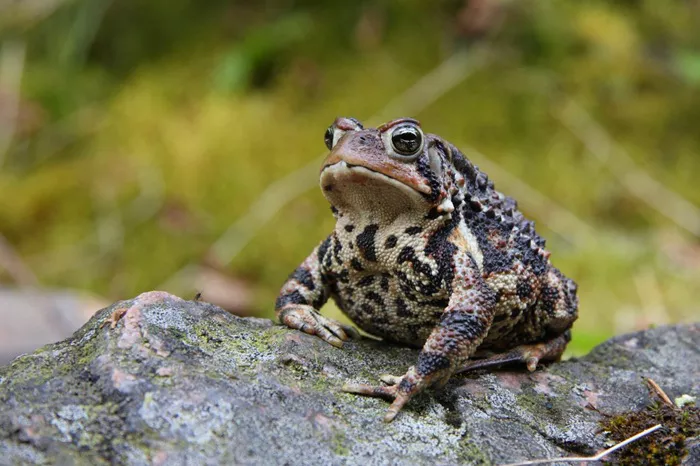
The American toad (Anaxyrus americanus) is a fascinating amphibian native to North America. Known for its distinctive, bumpy skin and croaky call, the American toad is a common species found in woodlands, grasslands, and wetlands. While their ecological role is vast, their size is a characteristic that often sparks curiosity. How big can an American toad get? In this article, we will explore the physical growth of these toads, their habitat, diet, and how size varies across different populations.
Introduction: The American Toad and Its Size
The American toad is a versatile creature, adapting to a variety of habitats across the United States and parts of Canada. It is a member of the family Bufonidae, a group of toads known for their warty skin and distinctive behavior. The American toad is not just known for its “toad-like” features but also for its ability to grow to impressive sizes, especially when compared to other toads and amphibians.
Understanding how big an American toad can get involves more than just looking at a single measurement. There are various factors that influence the size of the toad, including genetics, environment, diet, and overall health. By examining these factors in detail, we can paint a clearer picture of the size range that an American toad might reach.
Physical Characteristics of the American Toad
Before we dive into how big an American toad can get, it is important to understand its physical characteristics. The American toad has a distinctive appearance, which helps in identifying it in the wild. Its body is typically stout and heavy, covered with rough, bumpy skin that provides protection from predators. The coloration ranges from grayish-brown to reddish-brown, with darker spots scattered across its back.
This warty skin serves not only as a defense mechanism, making the toad distasteful to many predators, but also as a means of retaining moisture in its often-humid environment. The American toad also has large, bulging eyes and short limbs, though its back legs are well-developed, allowing it to leap considerable distances when necessary.
Despite its somewhat “grumpy” appearance, the American toad’s body structure is uniquely suited to its lifestyle. It is a terrestrial amphibian that spends a lot of its time on land, but it also needs access to water for breeding and hydration.
Average Size of an American Toad
The size of an American toad can vary significantly, depending on the individual, its age, and environmental factors. On average, adult American toads range from 2 to 4 inches (5 to 10 centimeters) in length from snout to vent, though some individuals can grow larger.
Smallest and Largest Specimens
While the average size of an adult toad is between 2 and 4 inches, the largest recorded American toads can reach up to 5 inches (12.7 centimeters) in body length. However, such large specimens are relatively rare. Toads at the smaller end of the size spectrum, measuring around 2 inches, are typically younger or may belong to smaller populations.
In addition to length, an American toad’s weight can also vary. The average adult toad weighs between 0.5 to 1.5 ounces (14 to 43 grams). While this may seem light, the size of a toad is relative to its environment and diet. Larger toads, especially those that have had access to abundant food sources, can reach a more substantial weight.
Why Do Some Toads Grow Larger?
Several factors contribute to the growth potential of an American toad. These include genetic traits, the quality of the environment, and the availability of food.
Genetics: Like all animals, the size of an American toad can be influenced by its genetic makeup. Toads from larger populations or those with genetic predisposition to larger size can grow more than their counterparts.
Habitat and Environment: The environment in which a toad lives plays a crucial role in its development. Toads living in areas with abundant food and optimal moisture levels can grow larger. Urban environments with food scraps might support larger individuals, while dry or barren areas might stunt their growth.
Diet: The diet of an American toad is a crucial factor in determining its size. Toads are insectivores, feeding on a wide variety of insects, spiders, and even smaller amphibians. Larger food sources can lead to increased growth, while a scarcity of food might limit their development.
Temperature and Hydration: Temperature can also influence the growth of toads. In colder climates, toads might experience stunted growth, as their metabolism slows down in lower temperatures. Toads that have better access to water sources generally fare better, growing faster and larger, due to proper hydration.
Tadpoles and Juvenile Size
The life cycle of an American toad begins as a tadpole in the water. Tadpoles are significantly smaller than adults, typically measuring only 1 inch (2.5 cm) in length at the time of hatching. As they grow, tadpoles undergo a process known as metamorphosis, during which they gradually develop into juvenile toads.
At the juvenile stage, toads are still relatively small. They might measure between 1.5 to 2 inches (3.8 to 5 cm) long, depending on the rate of their growth. The transition from tadpole to juvenile toad is a critical period in their development, as they move from aquatic to terrestrial environments.
During this stage, toads rely heavily on their ability to catch food in the wild to fuel their growth. Their diet consists mainly of smaller insects, which they consume in large quantities to support their rapid development. As they continue to mature, their size increases until they reach their adult form.
The Growth Cycle of an American Toad
Egg Stage: The American toad starts life as an egg, laid in water. Female toads lay clusters of eggs, which hatch into tadpoles after a few days.
Tadpole Stage: During the tadpole stage, toads are small and primarily aquatic. They rely on algae and other microorganisms for nutrition.
Juvenile Stage: As they mature, toads start to resemble adults but remain much smaller. At this stage, they begin to transition from aquatic to terrestrial life.
Adult Stage: Once fully grown, American toads become terrestrial and reach their full adult size.
How Long Does It Take for an American Toad to Reach Its Full Size?
The time it takes for an American toad to reach full size depends on various factors, including temperature, food availability, and environmental conditions. On average, it can take anywhere from 2 to 4 years for an American toad to reach its adult size.
Toads tend to grow more quickly during their first year of life, especially in environments with a plentiful food supply. As they mature, their growth slows, and they reach their full size in their second or third year of life. By the time they are fully grown, they are capable of living independently and reproducing.
Ecological and Behavioral Factors Influencing Size
While environmental conditions are critical to the size of American toads, their behavior and ecological role also play a part in their growth. Toads that are more active in foraging, for example, may find more food and grow larger than those that are more sedentary.
American toads are opportunistic feeders, which means they are not picky about their diet. They will consume whatever prey is available, from small insects to arachnids and even slugs. Their ability to thrive on a wide variety of foods allows them to adapt to different habitats and maintain a steady growth rate.
Role of Mating and Size in American Toads
Size can also have implications in mating and territorial behavior. Larger toads may be more dominant in mating displays and can secure better breeding spots in the wild. This advantage, however, varies depending on the population and local competition.
Tadpole Size and Predation Pressure
The size of tadpoles can also be influenced by predation pressure. In environments with numerous predators, such as fish or larger amphibians, toad tadpoles may develop more quickly and grow larger to avoid being eaten.
Conclusion
In summary, the American toad is a remarkable species with a variety of factors that influence its size. On average, adult American toads grow between 2 to 4 inches long, though some can reach up to 5 inches. The size of a toad is determined by genetics, diet, environmental conditions, and even the presence of predators.
As we continue to study these fascinating creatures, we learn more about the intricate ways in which size can affect their survival, mating, and ecological role. Whether they are small or large, the American toad remains an essential part of the ecosystem, helping to control insect populations and serve as a food source for many other animals.
Related topics: