
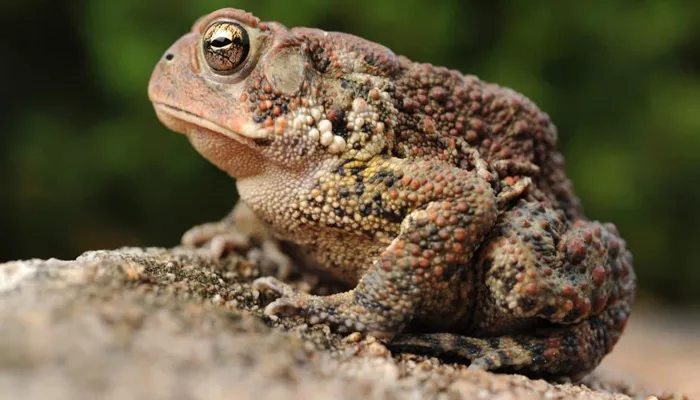
The American toad (Anaxyrus americanus) is a common amphibian found across much of North America. These toads are known for their distinctive bumpy skin, which helps them blend into their environment, and their croaky call that can often be heard during the spring and summer months. One question that frequently arises about these fascinating creatures is whether they hibernate. Hibernation is a survival strategy that many animals use to cope with extreme cold and scarcity of food during the winter months, and it’s particularly important for species living in temperate climates like that of the American toad.
In this article, we will explore the hibernation habits of the American toad, examining how and why they enter this state of dormancy, as well as how it helps them survive harsh winter conditions. By the end of this article, you will have a thorough understanding of the American toad’s hibernation process, its timing, and its survival mechanisms.
What is Hibernation?
Hibernation is a period of dormancy that certain animals enter during the cold months when food becomes scarce, and temperatures drop. During hibernation, an animal’s metabolism slows down drastically, allowing it to conserve energy until warmer conditions return. Unlike sleep, which is a temporary rest period, hibernation is more profound and often lasts for weeks or months.
Hibernation vs. Brumation
Before diving into the specifics of American toad hibernation, it’s important to note that amphibians like toads do not truly “hibernate” in the same way mammals do. Instead, they undergo a process called brumation, which is a type of dormancy that cold-blooded animals enter during winter. Brumation is similar to hibernation but occurs in animals that rely on external temperatures to regulate their body heat. For toads and other amphibians, brumation is a survival strategy that allows them to endure the cold weather and avoid freezing temperatures.
While hibernation and brumation are similar, the key difference is that during brumation, animals will wake periodically to drink water or move around briefly, whereas true hibernators do not wake until the end of their dormancy period.
When Do American Toads Begin to Hibernate?
The timing of hibernation (or brumation) in American toads depends on environmental conditions, such as temperature and daylight hours. In North America, American toads typically enter brumation in late fall, when temperatures start to drop and food sources become scarce. This usually happens in October or November, although the exact timing may vary depending on the region.
American toads rely on environmental cues to determine when it’s time to start brumation. The first signs of cold weather trigger physiological changes in the toads, causing their metabolism to slow down and preparing them for dormancy. As temperatures decrease, they seek shelter in places where they can remain protected from the cold, such as under leaf litter, in mud, or in burrows.
The Role of Temperature in Brumation
Temperature is the primary factor influencing when American toads enter brumation. These toads are ectothermic, meaning their body temperature is determined by the surrounding environment. When the temperature drops below a certain threshold, usually around 40°F (4°C), American toads begin to slow down and become less active. At this point, they seek shelter underground or in other insulated areas to avoid freezing temperatures.
During brumation, the toads do not require food because their metabolism is slowed down so much that they don’t need to actively hunt. The cold-blooded nature of American toads means they rely on the temperature of their environment to maintain their internal body heat, which is why they cannot survive freezing temperatures. By finding a suitable location to burrow or hide, they avoid extreme cold and increase their chances of surviving the winter months.
Where Do American Toads Hibernate?
American toads prefer to hibernate in locations that offer both protection from the cold and a stable, moist environment. These locations can include underground burrows, leaf piles, or areas of thick vegetation. Here are some common places where American toads can be found during brumation:
Underground Burrows
American toads often burrow into the ground to escape the cold. They may dig several inches into the soil, where they can remain protected from freezing temperatures. The soil acts as insulation, keeping them at a relatively stable temperature even when the air above freezes. This also helps prevent dehydration, as the humidity levels underground are usually higher than in the open air.
Leaf Litter
Some toads choose to hibernate in piles of fallen leaves. The leaves provide insulation and moisture, allowing the toads to stay hydrated during their period of dormancy. Additionally, the decomposition of the leaves creates heat, which can help maintain a stable environment for the toads to rest in.
Muddy or Moist Areas
American toads also hibernate in wetland areas, where the soil remains moist. These moist environments prevent dehydration, a key concern for amphibians that can easily lose moisture through their skin. Toads in such areas may burrow into the mud at the bottom of ponds or streambeds, where temperatures are more stable than in the open air.
How Do American Toads Survive Winter?
Surviving the winter months is a critical aspect of the American toad’s life cycle. These toads have developed several fascinating adaptations that allow them to endure brumation and emerge healthy once the warmer spring weather returns.
Metabolic Slowdown
During brumation, the American toad’s metabolism slows significantly. This allows the toad to conserve energy while it is not eating. Instead of actively hunting for food, the toad’s body enters a state of reduced activity, conserving the energy it stored before brumation began.
Moisture Retention
One of the major challenges for amphibians during brumation is dehydration. American toads have evolved to retain moisture during their dormancy. They do this by burrowing into moist soil or leaf litter, which helps keep their skin from drying out. Some toads may also secrete a thick, mucous layer on their skin that prevents water loss.
Glycerol Production
American toads also produce glycerol, a type of antifreeze, to protect their bodies from freezing. Glycerol helps prevent the formation of ice crystals in the toad’s cells, which would otherwise cause severe damage. This chemical adaptation allows the toad to survive in subfreezing temperatures by preventing its internal fluids from freezing.
Periodic Waking
Although American toads are in a state of dormancy during winter, they do not remain completely inactive. During the winter months, the toads may wake up occasionally, especially when temperatures rise temporarily. These brief periods of activity allow them to drink water and even move around a little, although they are generally not hunting for food. Once the temperatures drop again, they return to their dormant state.
When Do American Toads Wake Up?
As spring approaches and the weather begins to warm, American toads start to wake from brumation. The exact timing can vary depending on the region, but it usually occurs in early spring, around March or April, when temperatures consistently rise above 50°F (10°C).
During this time, the toads become more active and begin to search for food and mates. The male toads start calling out to attract females, and the cycle of reproduction begins anew. Once the toads are fully awake, they return to their usual active state, hunting for insects and other small invertebrates to eat.
Environmental Cues for Waking
Just as the onset of cold weather triggers brumation, the warming temperatures and longer daylight hours signal the end of dormancy. Toads rely on these environmental cues to know when it is safe to emerge from their winter shelters. These cues help ensure that they wake up at the optimal time, when food is abundant and the risk of freezing is no longer present.
Conclusion
American toads undergo a fascinating process of brumation to survive the harsh winter months. By finding suitable shelter and relying on metabolic slowdowns, moisture retention, and even antifreeze-like substances, these amphibians manage to endure the cold and emerge healthy once the warmer weather returns. Understanding the brumation habits of American toads not only highlights their incredible adaptability but also underscores the importance of protecting their habitats. Whether hiding in the mud or burrowing deep beneath the soil, American toads are well-equipped to survive the winter, ensuring the continuation of their species for generations to come.
Related topics: