
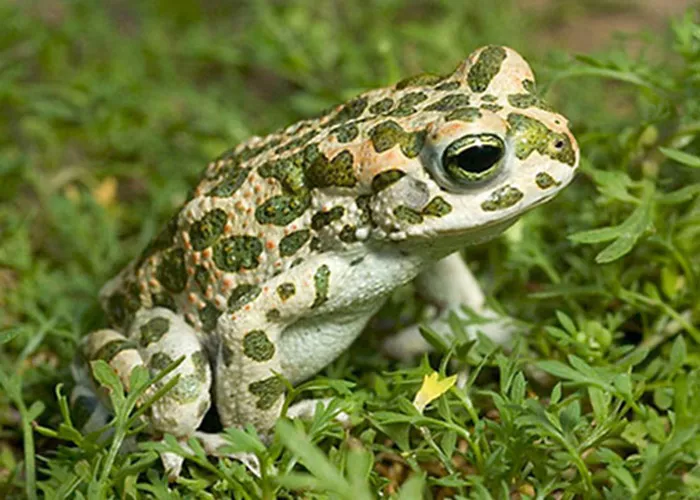
The European green toad (Bufotes viridis) is a fascinating amphibian species found across Europe and parts of Asia. It is known for its attractive green spots, loud calls, and ability to adapt to different environments. These toads are often spotted in gardens, urban areas, and grasslands. Because of their bright markings and nocturnal behavior, many people wonder whether they are dangerous or poisonous.
This article will explore whether the European green toad is poisonous, what type of toxins it produces, how these toxins affect predators or humans, and how the toad uses its defenses in the wild. We will also discuss its habitat, behavior, and how people should interact with this amphibian. Understanding this species can help reduce fear, promote safe coexistence, and raise awareness of its role in nature.
What Is the European Green Toad?
The European green toad is a medium-sized toad species that belongs to the family Bufonidae. This family includes many types of toads that live in both dry and moist environments. The green toad is easily recognized by its green or olive-colored patches set against a background of gray or beige skin. These patterns help it blend into natural surroundings like stones, grass, or soil.
An adult green toad typically measures between 6 and 10 centimeters in length. Males are usually smaller than females. Their eyes are large and golden with horizontal pupils, and their legs are sturdy and adapted for hopping. Although they are most active at night, they can sometimes be seen during the day after rainfall or during the breeding season.
Where Do European Green Toads Live?
This toad is found throughout much of Europe, from eastern France and Italy through the Balkans and into Central Asia. It lives in a wide range of habitats including farmland, deserts, steppes, forests, meadows, and even cities. One of its key survival traits is adaptability. It can thrive in both dry and wet regions as long as there are places to hide and shallow waters for breeding.
During the day, green toads often hide under rocks, logs, or in burrows. At night, they come out to hunt insects and other small invertebrates. They are also known to be resilient to changes in the environment. In urban areas, they may be found in parks, gardens, drainage ditches, or near buildings.
Are European Green Toads Poisonous?
Now to the main question: Are European green toads poisonous?
Yes, European green toads are mildly poisonous. Like many other toads in the Bufonidae family, they produce toxins in their skin. These toxins are part of the toad’s natural defense system. They help the animal protect itself from predators such as birds, snakes, and mammals.
The poison is not injected through a bite or sting. Instead, it is secreted through special glands in the skin, especially behind the eyes. These are called parotoid glands. When the toad feels threatened, it may release a white, milky fluid from these glands. This fluid contains bufotoxins, which are chemical compounds that can irritate the skin, mouth, and eyes of potential attackers.
What Are Bufotoxins?
Bufotoxins are a group of chemical substances produced by toads in the Bufonidae family. They include compounds such as bufotenin, bufagin, and bufotalin. These substances can have toxic effects on nerves, muscles, and the heart.
The toxins in European green toads are generally less dangerous than those found in tropical toads like the cane toad (Rhinella marina), but they still serve an important defensive role.
In small amounts, bufotoxins cause a burning or tingling sensation in the mouth of a predator. They may also produce nausea, vomiting, or other discomforts that discourage the predator from eating the toad. In high doses, these toxins can affect the nervous system or heart rate, but such cases are rare in humans.
Is the Toad Dangerous to Humans?
To humans, the European green toad is not considered dangerous, but it should still be handled with care. The toxins are not strong enough to kill a person, and they are not usually absorbed through the skin. However, if the toxin enters the mouth, nose, or eyes, it can cause unpleasant effects.
People who handle green toads with bare hands may feel skin irritation, especially if they have cuts or sensitive skin. If the toxin gets into the eyes, it can cause redness, pain, and temporary vision problems. Swallowing the toxin, either through hand-to-mouth contact or by accident, can lead to nausea or vomiting.
In rare cases, people with allergies or weakened immune systems may experience more serious symptoms. Children and pets are more at risk because they may try to touch or taste the toad out of curiosity.
What Should You Do If Exposed to the Toxin?
If you or someone else has handled a European green toad, it is important to follow some simple steps:
Wash your hands thoroughly with soap and water.
−Avoid touching your face, especially your mouth, eyes, or nose.
−If the toxin gets in the eyes, rinse them with clean water for several minutes.
−If swallowed or if symptoms like nausea occur, seek medical advice, especially if symptoms persist.
−If a pet bites or licks the toad and shows signs of illness, contact a veterinarian immediately.
Most cases of exposure result in mild symptoms that pass quickly. Serious poisoning is very rare and usually only happens if large amounts of toxin are consumed.
Why Do Toads Produce Toxins?
Toads produce toxins mainly for defense. Unlike snakes or spiders, toads are slow and lack sharp teeth or claws. They rely on chemical defenses to survive in the wild.
When a predator tries to eat a toad, the unpleasant taste or burning sensation caused by the toxin teaches the predator to avoid toads in the future. Some toads also puff up their bodies or display bright colors as a warning. This behavior is known as aposematism, where animals advertise their toxicity to avoid being eaten.
The toxin also protects the toad from microorganisms, such as bacteria and fungi, that might infect it through the skin. In this way, the toxin serves both as a defense against predators and a barrier against disease.
Can Toad Poison Be Used by Humans?
Interestingly, bufotoxins have been studied for their possible medical uses. Some compounds found in toad skin have shown promise in treating heart conditions, cancer, or even depression. However, these uses are still under research and require careful control. Bufotoxins are dangerous if used improperly.
In folk medicine, some cultures have used toad extracts for traditional healing, but this practice is risky and not recommended. In modern medicine, researchers are trying to isolate the useful parts of the toxin and remove the harmful effects.
It is important to note that using wild animals or their toxins without proper knowledge and supervision can be harmful to both people and wildlife.
How Should You Handle European Green Toads?
If you encounter a European green toad, it is best to admire it from a distance. These toads play a valuable role in controlling insect populations, including mosquitoes and garden pests. There is usually no need to handle them unless you are a trained professional or involved in conservation work.
If you must move a toad for its safety (such as from a road), wear gloves or use a soft cloth. Always wash your hands afterward. Do not try to keep wild toads as pets, especially without knowledge of their needs or legal status.
Some countries protect green toads due to habitat loss and declining populations. Always check local laws before interacting with wildlife.
The Role of European Green Toads in the Ecosystem
European green toads are important parts of their ecosystems. As predators, they help control insect and invertebrate populations. As prey, they provide food for snakes, birds, and mammals. Their presence indicates a healthy environment, especially since amphibians are sensitive to pollution and climate changes.
During breeding season, these toads gather near ponds, ditches, or temporary pools. Their loud calls attract mates, and females lay hundreds of eggs. The tadpoles grow in water before transforming into tiny toadlets that begin life on land.
Because they breed in shallow water, their survival depends on the availability of clean water sources. Urban development, pollution, and climate change are major threats to their survival. Protecting toads means protecting many other species that share their habitats.
Conclusion
European green toads are mildly poisonous, but not dangerous to humans if treated with care. Their toxins serve as a natural defense against predators and help them survive in the wild. Although they can cause irritation if touched or ingested, they are not aggressive and pose little risk to people or pets if left undisturbed.
These toads are valuable allies in our gardens and ecosystems. They are a reminder of the rich and complex relationships in nature. By respecting their space and understanding their biology, we can live alongside them safely and even appreciate their role in the natural world.
So next time you see a European green toad hopping through the grass or calling by a pond, remember: it may be slightly poisonous, but it’s also a harmless, helpful neighbor in need of protection.
Related topic