
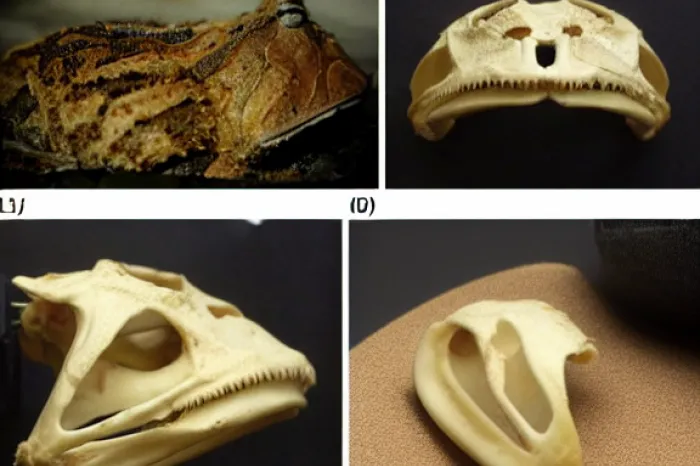
Argentine horned frogs are remarkable amphibians that attract a lot of attention due to their large size and striking look. One question that often comes up is whether these frogs have teeth. The answer is yes, but with some specifics worth knowing.
Do Argentine Horned Frogs Have Teeth?
Argentine horned frogs do have teeth, but not like those found in mammals. Their teeth are small and located on the upper jaw only. These teeth are called maxillary teeth, and they help the frog grip its prey rather than chew it.
Unlike mammals that use teeth for chewing food into smaller pieces, Argentine horned frogs use their teeth primarily to hold onto their prey while swallowing it whole. They do not have teeth on the lower jaw or anywhere else in the mouth.
How Do Their Teeth Work?
The maxillary teeth in Argentine horned frogs are sharp enough to prevent prey from escaping once caught. These frogs are ambush predators, meaning they wait patiently until a suitable prey comes close before striking quickly.
Their diet mainly includes insects, small rodents, other amphibians, and even small birds. The teeth ensure that once they snap their jaws shut, the prey stays firmly in place as they swallow it headfirst.
Importance of Teeth for Feeding
Since Argentine horned frogs swallow their food whole, having teeth helps them avoid losing captured prey during feeding. Their powerful jaws combined with these teeth make them efficient hunters despite their slow movements.
For pet owners, understanding this aspect of their anatomy is crucial. Offering appropriately sized live or frozen prey reduces stress during feeding and supports natural hunting behaviors.
Dental Care and Health Considerations
While these frogs do have teeth, dental problems are uncommon in captivity if they receive proper care. Overfeeding or offering hard food items can potentially damage their small teeth or cause injuries inside the mouth.
Regular observation during feeding times helps detect any issues early. If you notice reluctance to eat or visible damage inside the mouth, consulting a veterinarian familiar with amphibians is advisable.
Conclusion
Argentine horned frogs indeed have teeth—small but functional maxillary ones that aid in capturing and holding prey. These teeth play a vital role in their feeding strategy by ensuring that prey remains secure while being swallowed whole. For anyone keeping these fascinating amphibians as pets, recognizing the presence and function of their teeth helps provide better care and promotes healthier feeding habits.
Frequently Asked Questions
Do Argentine horned frogs bite humans?
They can deliver a sharp bite if threatened due to their strong jaws and teeth, but they generally do not bite unless provoked.
Can you see the teeth easily?
The teeth are small and located only on the upper jaw; they aren’t easily visible without close inspection.
Do they lose their teeth?
Like many amphibians, they can replace lost or damaged teeth naturally over time.
Should I be concerned about their dental health as a pet owner?
Dental problems are rare if you feed them appropriate prey sizes and maintain good husbandry practices.