
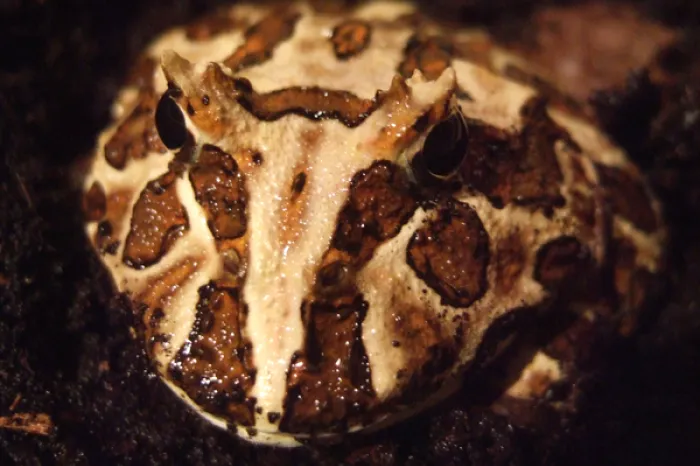
Argentine horned frogs, also known as Pacman frogs, are popular among reptile enthusiasts for their striking appearance and intriguing behaviors. To successfully keep these frogs, it’s important to understand their natural needs and habits. This guide will walk you through the essential steps for caring for an Argentine horned frog, from habitat setup to feeding and health management.
Creating the Right Habitat
These frogs thrive in environments that mimic their native South American rainforest. Start by choosing a terrarium with enough space—around 10 to 20 gallons is ideal for one frog. The enclosure should maintain high humidity, around 70-80%, which can be achieved by misting the substrate regularly. Use a moisture-retentive substrate like coconut fiber or sphagnum moss, which also allows the frog to burrow.
Temperature plays a key role in their comfort. Keep the enclosure between 75°F and 85°F during the day, with a slight drop at night. A heat mat under one side of the tank can help create a warm spot without overheating the entire space. Avoid strong lighting; these frogs prefer dim environments since they are mostly nocturnal.
Feeding Your Frog
Argentine horned frogs are carnivorous and have voracious appetites. Their diet mainly consists of insects such as crickets, roaches, and worms. Occasionally, you can offer small rodents like pinky mice, but this should not be a regular part of their diet due to nutritional concerns.
Feed young frogs daily, while adults can be fed every two to three days. Always provide appropriately sized prey—generally no larger than the width of the frog’s head—to prevent choking. Dusting insects with calcium powder is important to support healthy bone development.
Handling and Behavior
While these frogs can be handled carefully, it’s best to minimize contact as they have sensitive skin that can absorb harmful substances from your hands. Wash your hands thoroughly before and after handling to avoid transferring oils or chemicals.
Argentine horned frogs are ambush predators; they remain still for long periods waiting for prey. They can be aggressive towards other frogs, so it’s best to house them alone.
Health and Maintenance
Regularly clean the terrarium to prevent bacterial growth and maintain optimal humidity levels. Watch for signs of illness such as lethargy, loss of appetite, or skin abnormalities. If you notice any concerning symptoms, consult a veterinarian experienced with amphibians promptly.
Providing clean water is essential since these frogs often soak themselves. Use dechlorinated water in a shallow dish that is easy for them to access.
Conclusion
Caring for an Argentine horned frog involves creating a suitable habitat, offering a balanced diet, and monitoring health closely. With proper attention, these fascinating amphibians can live happily in captivity for several years. Understanding their unique needs ensures both their well-being and your enjoyment as a keeper.
Frequently Asked Questions
Can Argentine horned frogs live with other pets? It’s not recommended because they may become aggressive or stressed around other animals.
How often should I clean the frog’s enclosure? Spot clean daily and do a thorough cleaning every two to four weeks.
What signs indicate my frog is unhealthy? Look out for lack of appetite, skin discoloration, swelling, or unusual behavior.
Is it necessary to use special lighting? These frogs do not require UVB lighting but benefit from a natural day-night cycle.