
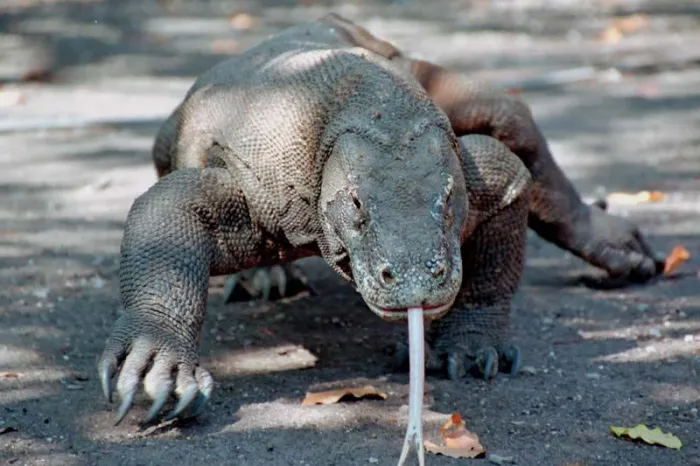
The Komodo dragon is widely known as the biggest living lizard on Earth. But many people wonder: is a Komodo dragon really a lizard? The simple answer is yes. Komodo dragons belong to the family of lizards called Varanidae, which includes monitor lizards. They are indeed part of the lizard group, but they are unique in many ways.
What Defines a Lizard?
Lizards are reptiles characterized by scaly skin, four legs, external ears, and movable eyelids. They vary greatly in size and habitat but share common traits that distinguish them from snakes and other reptiles. Komodo dragons fit these characteristics perfectly.
The Size and Appearance of Komodo Dragons
Komodo dragons can grow up to 10 feet long and weigh around 150 kilograms (about 330 pounds). Their large size sets them apart from most other lizards. They have strong limbs, sharp claws, and a powerful tail that helps them move swiftly despite their bulk. Their skin is rough and covered with tiny scales that provide protection.
Habitat and Behavior
These giants live mainly on several Indonesian islands, such as Komodo Island. They prefer hot and dry environments like savannas and forests. Komodo dragons are carnivorous predators; they hunt deer, wild boar, and even smaller dragons. Their keen sense of smell helps them track prey over long distances.
Unique Features That Make Them Special
One of the most fascinating aspects of Komodo dragons is their venom. Unlike many lizards that rely on bite strength alone, Komodos have venom glands that produce toxins to weaken their prey. This venom causes blood loss and lowers blood pressure in their victims, making hunting more effective.
Additionally, Komodo dragons have an excellent immune system that protects them from infections caused by bacteria in their environment or prey. This resilience helps them survive wounds that might be fatal to other animals.
Why People Sometimes Doubt Their Classification
Because of their massive size and fearsome reputation, some people think Komodo dragons might be something other than lizards. However, scientific classification based on anatomy, genetics, and behavior confirms they are indeed monitor lizards—the largest species within this group.
Conclusion
In summary, the Komodo dragon is unquestionably a lizard—specifically the largest monitor lizard alive today. Its impressive size, unique venomous bite, and survival adaptations make it an extraordinary reptile. Understanding these traits helps us appreciate its role in nature and why it fascinates scientists and animal lovers alike.
Frequently Asked Questions
Are Komodo dragons dangerous to humans?
Yes, they can be dangerous due to their powerful bite and venom. While attacks on humans are rare, caution is necessary when near them.
Do Komodo dragons have venom like snakes?
Yes, they produce venom that helps immobilize their prey. This venom is different but effective in hunting.
Where do Komodo dragons live?
They are native to several Indonesian islands including Komodo, Rinca, Flores, Gili Motang, and Padar.
How big can Komodo dragons get?
They can grow up to about 10 feet (3 meters) long and weigh up to 150 kilograms (330 pounds).
Are Komodo dragons endangered?
Yes, they are classified as vulnerable due to habitat loss and human activities. Conservation efforts aim to protect their populations.