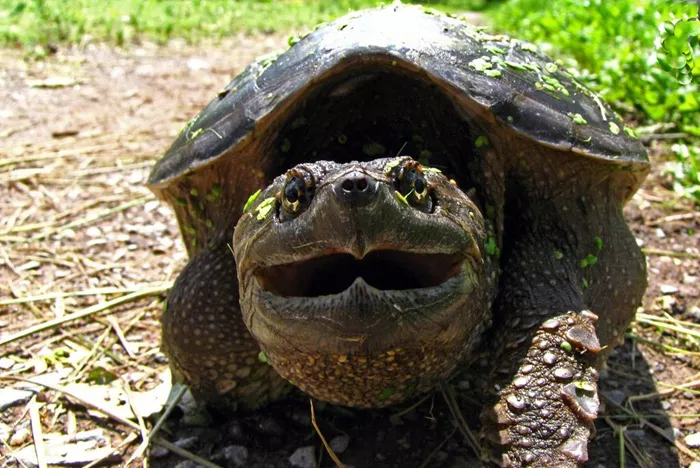
Snapping turtles are fascinating creatures with a reputation for toughness and agility. But behind their prehistoric-looking shells lies a sensitive, highly intelligent animal. As a reptile enthusiast, you might wonder: where do snapping turtles live in the wild, and how can you create a similar environment in captivity? Understanding their natural habitat is the first step to providing them with a safe, enriching home.
Imagine walking along a quiet, muddy pond at dusk. The water is still, lily pads float lazily, and beneath the surface, a massive snapping turtle glides silently, eyes peering like little black lanterns. This glimpse into their world helps you appreciate why their habitat design is crucial in captivity.
The Natural Habitat of Snapping Turtles
Snapping turtles, primarily the common snapping turtle (Chelydra serpentina) and the alligator snapping turtle (Macrochelys temminckii), inhabit a range of freshwater ecosystems across North America. You will find them in:
- Slow-moving rivers and streams
- Shallow lakes and ponds with muddy bottoms
- Swamps and marshes rich in aquatic plants
- Shaded areas along banks or under fallen logs
The key to their natural habitat is abundant water, soft substrates for burrowing, and plenty of hiding spots. Water temperature usually ranges between 70–80°F (21–27°C) for optimal activity. In the wild, snapping turtles spend a lot of time submerged, resting on soft mud, or ambushing prey near aquatic plants.
Understanding Snapping Turtle Physiology
To care for snapping turtles effectively, you need to understand how their bodies function. Their physiology is remarkable:
- Shell and Carapace: The rugged, domed shell protects them from predators but also serves as an indicator of their health. Dull or flaky shells may signal poor diet or low calcium intake.
- Lungs and Breathing: Despite being aquatic, snapping turtles surface for air. They have large, muscular lungs that allow them to stay underwater for up to 30 minutes during rest or ambush hunting.
- Digestive System: Snapping turtles are omnivorous, with powerful jaws capable of crushing prey. Their digestion requires high-protein foods and occasional plant matter for fiber.
- Thermoregulation: Being cold-blooded, snapping turtles rely on external heat sources. Basking areas are crucial for metabolic and immune system health.

Husbandry Practices: Creating the Perfect Home
Recreating a snapping turtle’s natural habitat in captivity is essential for their health and behavior. Here’s how you can approach it:
Aquarium Setup
Choose a large tank, at least 100 gallons for juveniles and over 300 gallons for adults. Include:
- Deep water area for swimming
- Soft substrate like sand or fine gravel for burrowing
- Rocks, logs, and artificial plants for hiding spots
- A strong filtration system to maintain clean water
Temperature and Lighting
Install a basking lamp to provide a warm area of 85–90°F (29–32°C). Use UVB lighting to help with calcium absorption and shell development. Water temperature should remain between 70–80°F (21–27°C). Think of the basking area as their “sunroom” where they recharge energy and maintain health.
Diet and Nutrition
Snapping turtles are opportunistic feeders. In captivity, you should offer:
- High-protein foods like shrimp, fish, or specially formulated turtle pellets
- Occasional leafy greens and aquatic plants for fiber
- Calcium supplements to support shell and bone health
A real story: a semi-professional turtle keeper once reported that her adult alligator snapping turtle refused commercial pellets until live freshwater shrimp were introduced. Over time, the turtle accepted a varied diet, demonstrating the importance of mimicking natural feeding behavior.
Disease Prevention and Health Management
Understanding potential health risks helps you prevent issues:
- Respiratory Infections: Caused by poor water quality or low temperatures. Maintain clean water and proper basking spots.
- Shell Rot: Bacterial or fungal infections can develop if the substrate stays dirty or the turtle remains wet continuously. Provide dry basking areas.
- Parasites: Wild-caught turtles may harbor parasites. Quarantine new additions and consult a veterinarian for fecal exams.
Behavioral cues, like lethargy or refusal to eat, often indicate underlying issues. Monitoring their behavior is as crucial as physical inspections.
Behavioral Health and Enrichment
Snapping turtles are intelligent and benefit from mental stimulation. Here are strategies to enrich their environment:
- Varied Substrate: Mud, sand, and rocks provide tactile exploration.
- Hiding and Climbing Structures: Logs, rocks, and floating platforms encourage natural movement.
- Foraging Opportunities: Scatter food or use feeding puzzles to mimic hunting.
- Interaction: While not cuddly pets, turtles respond to observation and gentle handling.
Veterinarian Dr. Allen once noted that turtles with enriched environments tend to have stronger immune systems and more active feeding habits, reflecting their natural hunting instincts.
Lifestyle and Long-Term Care
Snapping turtles are long-lived; common snapping turtles can reach 30–40 years, and alligator snapping turtles sometimes exceed 70. Long-term care includes:
- Regular water testing and cleaning
- Monitoring diet and supplementation
- Annual veterinary check-ups
- Behavior observation for stress signs
Think of caring for a snapping turtle as tending a delicate, ancient garden. Your careful attention ensures a thriving, vibrant life.
Conclusion
Snapping turtles are extraordinary reptiles, blending power, intelligence, and longevity. To create a thriving habitat, you must understand their natural environment, physiology, dietary needs, and behavioral tendencies. By providing large, clean aquatic spaces, appropriate basking areas, a balanced diet, and environmental enrichment, you can ensure your snapping turtle lives a healthy and stimulating life. Remember, patience and observation are your greatest tools. Care for your turtle like a dedicated guardian of a hidden pond, and you will be rewarded with a remarkable companion.
FAQ
Where do snapping turtles prefer to live in the wild?
Snapping turtles typically inhabit slow-moving rivers, ponds, lakes, and marshes. They favor muddy bottoms with abundant vegetation for hiding and hunting.
What temperature should I maintain for my snapping turtle?
Water should be 70–80°F (21–27°C), and basking areas should reach 85–90°F (29–32°C). Proper temperature supports metabolism, digestion, and immunity.
What is the best diet for captive snapping turtles?
A combination of high-protein foods like fish and shrimp, supplemented with leafy greens and calcium, closely mimics their natural diet.
How can I prevent diseases in my snapping turtle?
Maintain clean water, provide dry basking spots, ensure proper temperature, and schedule regular veterinary check-ups. Watch for behavioral changes as early warning signs.
How do I enrich my turtle’s environment?
Offer varied substrates, logs, hiding spots, floating platforms, and feeding puzzles. Enrichment encourages natural behaviors and improves overall health.
Related topics: