
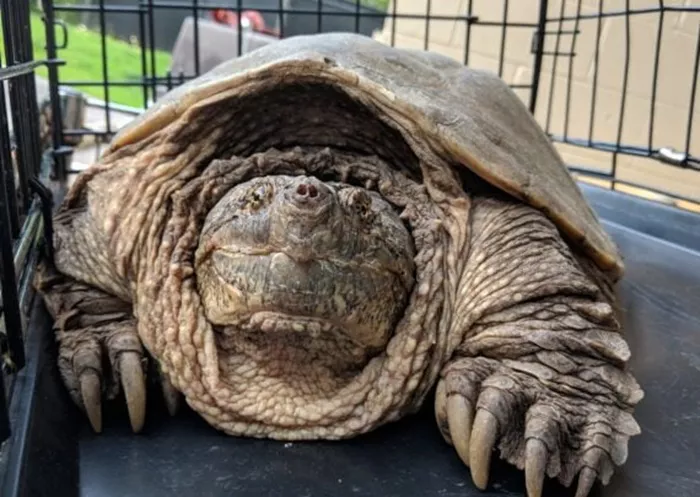
Snapping turtles are fascinating reptiles known for their powerful jaws and aggressive behavior when threatened. These creatures have captured the curiosity of scientists, wildlife enthusiasts, and hobbyists alike. One of the most common questions people ask about snapping turtles is about their size. Understanding their growth patterns, maximum size, and factors influencing their size is essential for anyone interested in these reptiles. In this article, we will explore how large snapping turtles can get, their biological growth, habitat factors, and much more.
Overview of Snapping Turtles
Snapping turtles belong to the family Chelydridae and are primarily found in North America. There are two main species: the common snapping turtle (Chelydra serpentina) and the alligator snapping turtle (Macrochelys temminckii). Both species are known for their strong jaws, long tails, and armored shells. While they share similar characteristics, their size, habitat, and behavior differ significantly.
Growth Patterns of Snapping Turtles
The growth of snapping turtles is influenced by various factors such as genetics, diet, and environment. These turtles exhibit slow growth rates in the early years and continue to grow throughout their lifespan. Unlike many reptiles, snapping turtles do not stop growing completely as adults. However, their growth rate slows significantly as they age.
Juvenile Snapping Turtles
Young snapping turtles are relatively small, usually measuring 2 to 4 inches in shell length when newly hatched. Their diet consists of small insects, fish, and aquatic vegetation. During these early stages, rapid growth occurs, with juveniles gaining a few inches each year under favorable conditions.
Adult Snapping Turtles
Adult snapping turtles reach their mature size after several years. Common snapping turtles typically grow to 8 to 18 inches in shell length, weighing between 10 and 35 pounds. In contrast, alligator snapping turtles are considerably larger, often reaching 24 to 31 inches in shell length and weighing 155 to 175 pounds on average. Exceptional individuals have been recorded at over 200 pounds, making them one of the largest freshwater turtles in the world.
Factors Affecting Size
Several factors influence how large a snapping turtle can grow. These include genetics, habitat quality, food availability, and environmental conditions.
Genetic Factors
Genetics play a crucial role in determining the potential size of a snapping turtle. Some lineages naturally grow larger than others. Alligator snapping turtles, for instance, are genetically predisposed to reach much larger sizes compared to common snapping turtles.
Diet and Nutrition
Access to a protein-rich diet can significantly affect growth. Snapping turtles are omnivorous, consuming fish, amphibians, insects, and plant matter. Turtles with abundant food sources grow faster and larger than those in nutrient-poor environments.
Habitat and Environment
Clean, spacious aquatic habitats with adequate hiding spots and low human disturbance promote healthy growth. Polluted or overcrowded environments can stunt growth or reduce lifespan, limiting the ultimate size a snapping turtle can reach.
Differences Between Common and Alligator Snapping Turtles
Understanding the differences between the two main species helps explain size variations.
Common Snapping Turtle
The common snapping turtle is widespread across North America. They are more adaptable to various freshwater environments, including ponds, rivers, and lakes. While aggressive when threatened, they are generally smaller than their alligator counterparts. Maximum shell length is usually around 18 inches, and weight rarely exceeds 35 pounds.
Alligator Snapping Turtle
The alligator snapping turtle is native to the southeastern United States, primarily living in rivers and swamps. Known for its prehistoric appearance, it has a rugged, spiked shell and a worm-like tongue used to lure prey. Alligator snapping turtles grow much larger, with average adult sizes between 24 and 31 inches in shell length and weights reaching 155 pounds. Exceptional specimens can weigh over 200 pounds, making them the largest freshwater turtles in North America.
Maximum Recorded Sizes
The largest documented snapping turtles provide perspective on their potential growth.
Record Common Snapping Turtles
The largest recorded common snapping turtle had a shell length of 20 inches and weighed 75 pounds. While rare, such specimens demonstrate that under optimal conditions, these turtles can exceed typical adult sizes.
Record Alligator Snapping Turtles
The largest alligator snapping turtle ever recorded had a shell length of over 32 inches and weighed approximately 249 pounds. These exceptional individuals are often found in pristine habitats with abundant food and minimal human interference.
Growth Over Time
Snapping turtles grow throughout their life, but growth rates slow with age.
Early Years
During the first 5 to 10 years, snapping turtles experience rapid growth. Juveniles can grow several inches each year, doubling or tripling their size if environmental conditions are favorable.
Middle Age
After reaching sexual maturity, growth slows but continues. Turtles may add an inch or two per year and increase in weight gradually.
Old Age
In older turtles, growth is minimal. However, individuals may continue to increase slightly in weight, especially in protected environments with abundant food. Lifespans of 30 to 50 years are common, with some alligator snapping turtles living over 100 years in captivity.
Behavior and Size Relationship
Size affects the behavior of snapping turtles. Larger turtles are more dominant in their habitat, have fewer predators, and can consume larger prey. However, their size can also make them more susceptible to human threats, such as hunting and habitat destruction.
Snapping Turtle Safety Considerations
Understanding the size of snapping turtles is essential for safe interaction. Even smaller individuals can deliver painful bites. Large adults, particularly alligator snapping turtles, are powerful enough to cause serious injury. Therefore, it is crucial to observe these turtles from a safe distance and never attempt to handle them without proper training and equipment.
Conservation and Protection
Many snapping turtle populations face threats from habitat loss, pollution, and overharvesting. Protecting natural habitats and implementing conservation measures are critical to ensuring these reptiles continue to thrive. Larger turtles are especially valuable to ecosystems as apex predators, controlling populations of fish and other aquatic species.
Fun Facts About Snapping Turtle Size
- Alligator snapping turtles have prehensile tongues used as lures for fish.
- Snapping turtles can weigh over 200 pounds in the wild under ideal conditions.
- Despite their size, snapping turtles can move surprisingly quickly in water.
- They have powerful jaws that can snap with immense force, proportional to their size.
Conclusion
In summary, snapping turtles vary greatly in size depending on species, genetics, habitat, and diet. Common snapping turtles typically reach 8 to 18 inches in shell length and weigh up to 35 pounds, while alligator snapping turtles can exceed 31 inches and 200 pounds. Their growth continues throughout their long lifespan, and larger individuals play essential roles in their ecosystems. Understanding these reptiles’ size helps us appreciate their biology, respect their power, and take measures to protect them for future generations.
Relaed topics: