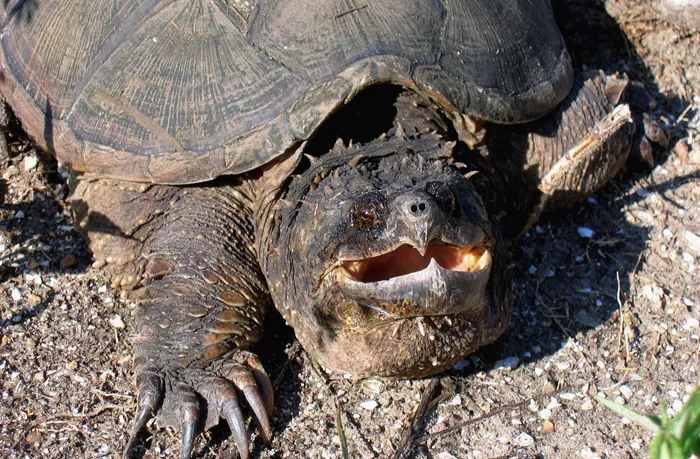
Have you ever watched a snapping turtle slide silently through the water and wondered, “Could this turtle harm my ducks?” For reptile enthusiasts, this is more than curiosity—it’s a real concern. Snapping turtles, with their powerful jaws and mysterious, prehistoric appearance, are fascinating pets, but they also carry instincts that can surprise even seasoned keepers.
In this article, you’ll learn how snapping turtles behave around ducks and other waterfowl, what professional keepers consider when housing them, and how to provide a safe, healthy environment for both species.
Understanding Snapping Turtle Physiology and Behavior
Snapping turtles are nature’s armored warriors. Their physiology is built for survival: a strong, muscular neck, a bony shell for protection, and a bite force that can crush bones. These features help them hunt in the wild, but in captivity, you can control their environment to prevent harm.
Behaviorally, snapping turtles are ambush predators. Think of them like silent ninjas under the water—they wait for movement, then strike quickly. Ducks swimming nearby might trigger that instinct if the turtle is hungry or stressed. However, in many cases, turtles ignore animals too large to eat. Anecdotes from veterinarians show that most snapping turtles kept properly with full diets rarely attack ducks, especially if both species are introduced gradually and safely.

Husbandry Practices: Keeping Your Turtle and Ducks Safe
Husbandry refers to the daily care and management of your turtle, including their habitat, diet, and social interactions. Proper husbandry is key to preventing aggressive behavior:
- Enclosure Design: Provide separate water zones or a secure barrier. Think of it like building two islands in the same pond—each species has its own space.
- Temperature and Lighting: Snapping turtles need basking areas and UVB lighting to process calcium and maintain healthy bones. Imagine the turtle as a solar-powered machine; without proper light, it slows down and becomes irritable.
- Water Quality: Clean water reduces stress and disease. Dirty water is like being stuck in a messy room—you’d be cranky too!
Nutrition: Feeding Without Triggering Predatory Instincts
Nutrition isn’t just about filling a turtle’s belly; it’s about keeping them healthy and less likely to attack other animals. Snapping turtles are omnivorous, meaning they eat both plants and animals. In captivity, a balanced diet includes:
- Commercial turtle pellets for complete nutrition.
- Fresh vegetables and leafy greens.
- Protein sources like fish, insects, or cooked meats in moderation.
Veterinarians often stress that feeding on a schedule reduces hunting instincts. A well-fed turtle is less likely to view your ducks as dinner.
Disease Prevention and Behavioral Health
Just like humans, turtles need preventive care. Disease prevention includes regular water changes, observing for lethargy, shell rot, or unusual spots, and consulting a reptile veterinarian for check-ups. Think of this as a safety net for their health.
Behavioral enrichment is equally important. You can introduce floating logs, aquatic plants, and hiding spots. Imagine it like a jungle gym for a turtle—stimulation reduces stress and discourages aggressive behavior.
Real Stories from Keepers and Experts
One semi-professional keeper shared a story: “I kept a snapping turtle and a small flock of ducks in the same pond. At first, I was worried. I separated their areas with floating barriers. Over time, the turtle learned its territory, and the ducks stayed safely on the other side. No injuries occurred.”
Veterinarians echo this experience: careful planning, proper diet, and habitat management prevent most conflicts.
Conclusion
So, will snapping turtles kill ducks? The answer is: it depends on careful management. With proper husbandry practices, balanced nutrition, and environmental enrichment, you can significantly reduce the risk. Always monitor interactions and respect the turtle’s natural instincts. By understanding their physiology, behavior, and health needs, you can enjoy a safe and fascinating multi-species aquatic environment.
Key Recommendations:
- Provide separate zones or barriers in shared ponds.
- Feed turtles a balanced diet on a consistent schedule.
- Maintain clean water and proper temperature.
- Offer environmental enrichment to reduce stress.
- Observe all species regularly for signs of illness or aggression.
FAQ
Can snapping turtles coexist with ducks?
Yes, but only with careful planning. Use barriers, maintain proper diets, and provide ample space to reduce predatory instincts.
How often should I feed a snapping turtle?
Adult turtles usually eat every 2-3 days, while juveniles may need daily feeding. A balanced diet is essential to prevent hunger-driven aggression.
What are signs of stress or disease in snapping turtles?
Look for lethargy, loss of appetite, shell discoloration, swollen eyes, or abnormal swimming. Early detection prevents serious health issues.
Do turtles need UVB lighting?
Yes. UVB helps turtles process calcium, maintain strong shells, and avoid metabolic bone disease. Imagine sunlight as their “vitamin D factory.”
Is it safe to release snapping turtles with wild ducks?
No. Wild ducks could become prey, and the turtle may face hazards in unfamiliar environments. Always keep your pets in controlled, safe habitats.
Related topics: