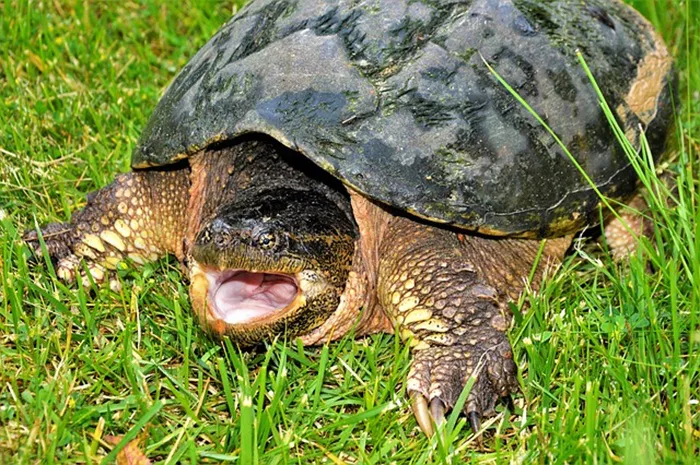
Snapping turtles are fascinating reptiles known for their strong jaws, aggressive behavior when threatened, and long lifespans. They are freshwater turtles that can grow very large and are found in ponds, rivers, lakes, and wetlands across North America. Understanding what snapping turtles eat is essential for both wild observation and captive care. Their diet is diverse, including both animal and plant matter, making them omnivores.
Natural Diet in the Wild
In their natural habitats, snapping turtles have a wide range of foods they consume. Their diet varies depending on age, size, and availability of food in their environment.
Animal Foods
Snapping turtles are primarily carnivorous when young. They eat small fish, insects, frogs, crayfish, and even small birds or mammals if the opportunity arises. Their strong jaws allow them to capture and crush prey effectively. They are also known to scavenge dead animals, which provides essential proteins and nutrients.
Plant Foods
As they mature, snapping turtles become more opportunistic and consume plant matter as well. They eat aquatic plants, algae, and occasionally fallen fruits or seeds near the water. While animals make up the bulk of their diet, plants provide fiber and vitamins necessary for their health.

Diet by Age
Juvenile Snapping Turtles
Young snapping turtles are mostly carnivorous. They rely heavily on insects, worms, tadpoles, and small fish to support rapid growth. Protein is crucial at this stage to build their shell, muscles, and immune system.
Adult Snapping Turtles
Adult snapping turtles are omnivores and eat a mix of animals and plants. They can hunt larger prey, including fish, frogs, and occasionally waterfowl. Adults also consume aquatic vegetation to supplement their diet. This flexibility allows them to survive even when animal prey is scarce.
Feeding Habits and Techniques
Hunting Strategy
Snapping turtles are ambush predators. They often lie motionless in the water, waiting for prey to approach. Using a sudden strike, they snap with their strong jaws to catch fish or other small animals. This hunting method conserves energy and increases their success rate.
Scavenging
In addition to hunting, snapping turtles scavenge dead animals. This behavior helps clean up the environment and provides a reliable source of nutrition when live prey is limited. They are not picky eaters and will consume almost any suitable animal matter they find.
Foraging for Plants
When eating plants, snapping turtles often graze on aquatic vegetation near the water surface or along the shoreline. They can also consume algae and submerged plants, which provide essential minerals and fiber.
Feeding in Captivity
For those keeping snapping turtles in captivity, it is important to replicate their natural diet as closely as possible.
Protein Sources
Common protein options include fish, shrimp, worms, insects, and commercially prepared turtle pellets. It is crucial to provide a variety to ensure proper nutrition and prevent deficiencies.
Vegetable Sources
Leafy greens, aquatic plants, and vegetables like zucchini or carrots can be offered. Occasional fruits such as berries or melon can be included in moderation, but protein should remain the primary focus.
Feeding Frequency
Juveniles should be fed daily to support growth, while adults can be fed every 2–3 days. Portion size should match the turtle’s size and appetite, avoiding overfeeding to prevent obesity or water pollution.
Health Considerations
Balanced Nutrition
Snapping turtles require a balanced diet of protein and plant matter to maintain strong shells, healthy skin, and proper organ function. Lack of protein can stunt growth, while lack of calcium can lead to shell deformities.
Supplements
In captivity, calcium and vitamin D3 supplements may be necessary to support shell growth and bone health, especially if turtles are not exposed to natural sunlight. Monitoring the diet carefully ensures longevity and well-being.
Environmental Influences on Diet
Seasonal Changes
In the wild, diet varies with the seasons. During spring and summer, snapping turtles eat more animal protein due to the abundance of prey. In fall and winter, they rely more on plant material or hibernate to conserve energy, eating less frequently.
Habitat Availability
Water quality and habitat type influence the availability of prey and plants. Turtles in ponds with rich vegetation may consume more plant matter, while those in rivers with abundant fish will have a diet dominated by animal protein.
Conclusion
Snapping turtles are adaptable omnivores whose diet includes a wide variety of animal and plant foods. Their eating habits change with age, season, and habitat conditions. Understanding what snapping turtles eat is essential for their care in captivity and helps in the conservation of their populations in the wild. Providing a balanced diet ensures their health, longevity, and natural behavior, whether observed in the wild or in a home environment.
Frequently Asked Questions
What is the main food of snapping turtles?
Snapping turtles primarily eat animal protein such as fish, insects, frogs, and crayfish. Adults also consume plants to supplement their diet.
Can snapping turtles eat fruits and vegetables?
Yes, they can eat fruits and vegetables, but these should be offered in moderation. Protein remains the main dietary requirement.
How often should snapping turtles be fed?
Juvenile snapping turtles should be fed daily, while adults can be fed every 2–3 days, adjusting portions to their size and appetite.
Do snapping turtles eat dead animals?
Yes, they scavenge dead animals as part of their diet. This provides protein and helps clean their environment.
What is the best diet for a captive snapping turtle?
A balanced diet includes a variety of animal proteins, aquatic plants, and occasional vegetables. Calcium and vitamin D3 supplements may be necessary for shell and bone health.
Related topics: