
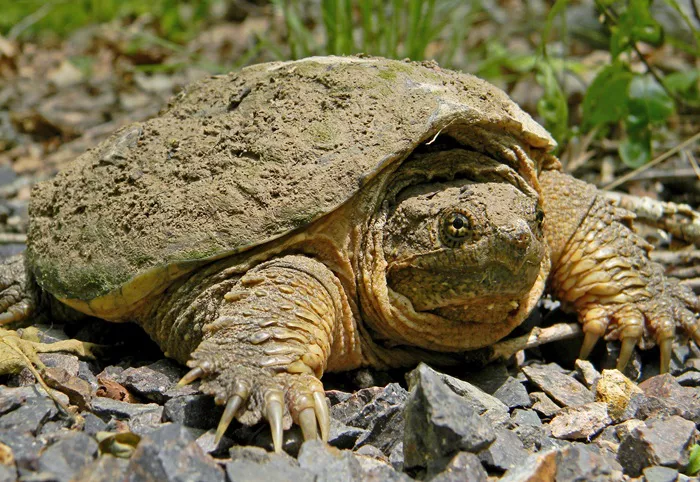
Ohio is home to a diverse range of wildlife, including many reptiles. Among these reptiles, snapping turtles are some of the most fascinating and misunderstood creatures. They are known for their powerful jaws, strong personalities, and aquatic habits. Snapping turtles play an important role in Ohio’s ecosystems, and understanding them can help residents coexist safely with these reptiles.
Overview of Snapping Turtles
Snapping turtles belong to the family Chelydridae, and they are large freshwater turtles found throughout North America. Ohio hosts two main types: the common snapping turtle and the alligator snapping turtle. Both species share similar traits, but they also have distinct differences in size, appearance, and habitat preferences.
Common Snapping Turtle
The common snapping turtle (Chelydra serpentina) is widely distributed in Ohio. It has a broad, rugged shell, a long tail, and strong, muscular legs. Common snapping turtles are usually dark brown or black and have a rough, ridged carapace. They are highly adaptable and can live in ponds, rivers, and lakes. These turtles are mostly aquatic but will walk on land to lay eggs or move between bodies of water.
Alligator Snapping Turtle
The alligator snapping turtle (Macrochelys temminckii) is rarer in Ohio and primarily found in the southern and central parts of the state. This turtle has a heavily armored shell with three distinct ridges, giving it a prehistoric appearance. Its head is large, with a hooked beak, and its tongue is specialized to lure fish. Alligator snapping turtles prefer deep rivers, lakes, and slow-moving streams with abundant cover.
Physical Characteristics
Snapping turtles are known for their distinctive appearance. Both common and alligator snapping turtles share a few key features, but there are differences worth noting.
Size and Weight
Common snapping turtles typically range from 8 to 18 inches in shell length and can weigh up to 35 pounds. In contrast, alligator snapping turtles can grow much larger, with shell lengths exceeding 26 inches and weights reaching over 100 pounds. This makes alligator snapping turtles among the heaviest freshwater turtles in North America.
Shell and Skin
The shells of snapping turtles are rough and covered with ridges or bumps. Common snapping turtles have smoother shells compared to the deeply ridged and spiked shell of the alligator snapping turtle. Their skin is thick and leathery, providing protection from predators. Both species have long, powerful tails and strong, clawed feet for swimming and digging.
Head and Jaws
Snapping turtles are famous for their strong, hooked jaws. They can bite with incredible force, which they use for hunting and self-defense. The alligator snapping turtle has an especially large head with a worm-like appendage on its tongue, which it uses to attract fish by mimicking prey movements. Both species have keen eyesight and sense vibrations in the water to locate food.
Behavior and Diet
Snapping turtles are primarily carnivorous, though they are opportunistic feeders. They eat a variety of prey, including fish, amphibians, insects, and even small mammals or birds. They also consume plant material occasionally, particularly in warmer months when vegetation is abundant.
Hunting Techniques
Common snapping turtles are active hunters, often chasing prey in shallow waters. They may also scavenge on carrion. Alligator snapping turtles, on the other hand, are ambush predators. They remain motionless on the riverbed, opening their mouths to lure fish toward their tongue appendage. Once prey is within reach, they snap it up quickly with a powerful bite.
Reproduction and Nesting
Snapping turtles lay eggs on land, usually in sandy or soft soil near water. Females may travel long distances to find suitable nesting sites. They dig a hole, deposit 20 to 40 eggs, and cover them carefully. Incubation depends on temperature, with warmer conditions leading to faster hatching. Hatchlings emerge in late summer or early fall and must reach the water quickly to survive.
Habitat in Ohio
Ohio offers diverse habitats for snapping turtles, from rivers and streams to ponds and wetlands. They prefer calm or slow-moving water with plenty of vegetation for hiding and hunting. Common snapping turtles are found statewide, while alligator snapping turtles are mostly in southern rivers and reservoirs.
Urban and Suburban Areas
Snapping turtles can sometimes be seen in suburban ponds, golf course lakes, or drainage areas. While generally shy, they may become defensive if approached too closely. It is important for residents to maintain a safe distance and avoid handling large turtles to prevent injury.
Conservation Status
Snapping turtles face threats from habitat loss, road mortality, and illegal collection. Common snapping turtles are considered stable, but alligator snapping turtles are less common and may be at risk in some regions. Conservation efforts focus on protecting wetlands, regulating collection, and educating the public about safe interactions.
Tips for Observing Snapping Turtles Safely
If you encounter a snapping turtle in Ohio, it is important to respect its space. Here are some guidelines:
- Keep a safe distance and do not attempt to touch or pick up the turtle.
- Observe from the shore or a safe distance in a canoe or kayak.
- Do not disturb nesting females during the spring and summer months.
- Encourage others, especially children, to watch and appreciate the turtle without causing stress.
- If a turtle is in danger on a roadway, contact local wildlife authorities for safe relocation.
Interesting Facts About Snapping Turtles
Snapping turtles have fascinating behaviors and adaptations:
- They have lived for millions of years, with ancestors dating back to the time of dinosaurs.
- Alligator snapping turtles use a form of “lingual luring” to attract prey, a behavior unique among freshwater turtles.
- They can live for 30 to 50 years in the wild, and some individuals in captivity exceed 100 years.
- Despite their fearsome appearance, they usually avoid human contact and only bite when threatened.
Conclusion
Snapping turtles are an important part of Ohio’s aquatic ecosystems. Understanding their behavior, diet, and habitat helps residents appreciate these remarkable reptiles while staying safe. By respecting their space and supporting conservation efforts, people can coexist with both common and alligator snapping turtles in Ohio. Observing these turtles in the wild provides a glimpse into a prehistoric world that continues to thrive in Ohio’s waters today.
Related topics: