
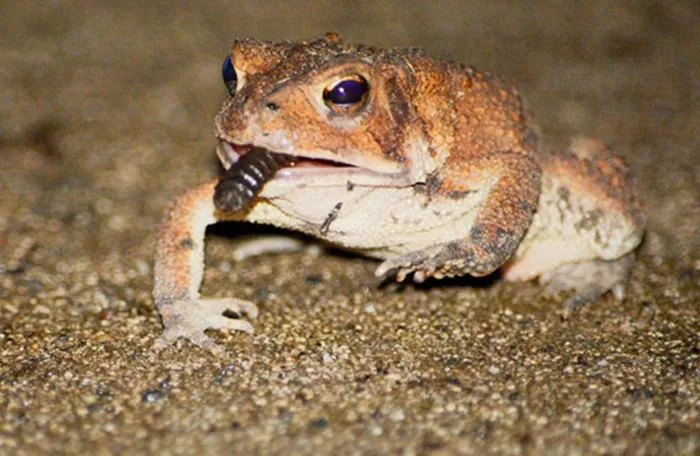
American toads are fascinating amphibians known for their adaptability and wide distribution across North America. They are primarily insectivores, meaning their diet mainly consists of insects and other small invertebrates. However, a common question among hobbyists and nature enthusiasts is whether American toads can eat fruit. Understanding their dietary habits is essential for anyone considering keeping them as pets or studying their behavior in the wild. This article explores the dietary preferences of American toads, their ability to digest fruit, and practical advice for feeding them responsibly.
Overview of American Toads
American toads (Anaxyrus americanus) are medium-sized amphibians that inhabit forests, grasslands, and suburban areas. They are nocturnal and prefer moist environments but are adaptable to a variety of habitats. Their skin is covered with warty bumps, which can help protect them from predators. American toads are known for their distinctive calls, which are commonly heard during the breeding season in spring and summer.
Natural Diet of American Toads
In the wild, American toads primarily consume:
- Insects such as beetles, ants, and grasshoppers
- Spiders and other small arthropods
- Worms and snails
These foods provide essential proteins, fats, and nutrients necessary for growth, reproduction, and survival. Their diet in the wild rarely includes plant matter or fruit because their digestive systems are specialized for processing animal-based proteins.
Do American Toads Eat Plant Matter?
Although American toads are primarily carnivorous, they occasionally ingest plant matter unintentionally. This usually happens when a toad consumes prey that has plant material on it or if it mistakes soft fruit or seeds for insects. However, this does not mean that plant matter is beneficial or necessary for their diet. Their physiology is adapted to handle animal protein, and too much fruit or plant material may lead to digestive issues.
Can American Toads Eat Fruit?
The simple answer is: while American toads may nibble on soft fruits occasionally, it is not recommended as a regular part of their diet. Their digestive systems are not designed to process high levels of sugar and plant fiber. Small amounts of fruit may be tolerated, but overfeeding fruit can lead to:
- Diarrhea or other digestive problems
- Obesity and nutritional imbalance
- Decreased activity and lethargy
Fruits like berries or soft melon may sometimes be offered as an occasional treat, but it should never replace their primary protein-based diet.
Why Protein is Essential for American Toads
American toads require protein for:
- Muscle development and maintenance
- Metabolism and energy production
- Reproductive success, including egg production in females
Insects, worms, and other invertebrates provide the right balance of nutrients that fruit alone cannot supply. Offering fruit as the main diet can cause deficiencies that compromise health and longevity.
Safe Feeding Practices for Pet American Toads
If you are keeping an American toad as a pet, follow these guidelines to ensure proper nutrition:
- Feed a variety of live insects such as crickets, mealworms, and earthworms.
- Dust insects with calcium and vitamin supplements to prevent deficiencies.
- If offering fruit as a rare treat, provide tiny amounts and observe how your toad reacts.
- Maintain a clean environment with a shallow water dish for hydration.
Always prioritize protein-rich foods, as they are the cornerstone of a healthy diet for American toads.
Fruit as an Occasional Supplement
While fruit is not necessary, small, occasional amounts can add variety to your toad’s diet. Safe options include:
- Blueberries (cut into tiny pieces)
- Raspberries (tiny portions)
- Small pieces of melon or apple without seeds
These should only be offered sparingly, once in a while, and never as the main food source. Observe your toad after offering fruit to ensure it does not cause digestive upset.
Signs of Digestive Issues from Fruit
Excessive fruit consumption can lead to health problems in American toads. Watch for the following signs:
- Loose stools or diarrhea
- Swelling or bloating
- Lethargy or reduced movement
- Refusal to eat their usual insect-based diet
If any of these symptoms occur, discontinue fruit feeding immediately and ensure the toad receives its standard diet of insects and worms.
Comparing Wild and Captive Diets
In the wild, American toads rarely encounter fruit in sufficient quantities to consider it a regular part of their diet. Their natural prey provides a complete nutritional profile, making fruit unnecessary. In captivity, owners sometimes offer fruit out of curiosity, but this should always be secondary to a diet of insects and worms. The focus should always be on replicating the natural diet as closely as possible.
Conclusion
American toads are primarily insectivorous amphibians that rely on a protein-rich diet for optimal health. While they may occasionally nibble on fruit, it is not necessary and should be given only in very small amounts as a rare treat. Overfeeding fruit can lead to digestive problems, nutritional imbalance, and other health issues. For both wild and captive toads, maintaining a diet based on live insects and invertebrates is the key to their long-term health and wellbeing. Observing your toad’s response to any new food is essential to ensure a healthy and thriving amphibian.