
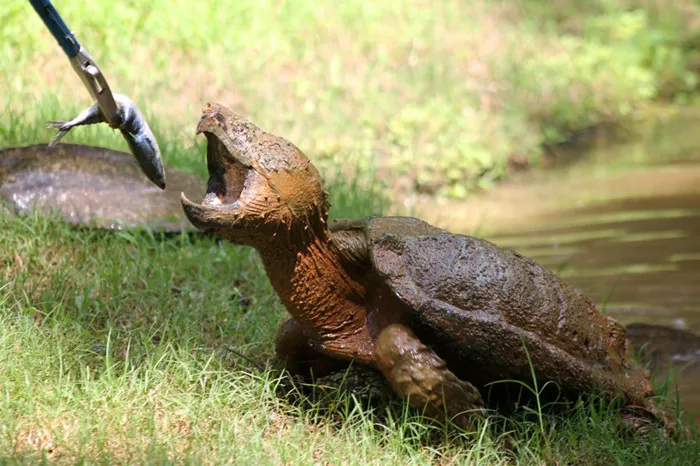
Snapping turtles are fascinating reptiles that are well-known for their powerful jaws and aggressive behavior when threatened. These freshwater turtles are mostly found in North America and are recognized for their long tails and rugged shells. Understanding what snapping turtles eat is essential for both wildlife enthusiasts and people who may encounter them in the wild. Their diet is varied, and it can provide insights into their role in the ecosystem, their growth patterns, and how to care for them in captivity.
Overview of Snapping Turtle Diet
Snapping turtles are omnivorous, which means they consume both plant and animal matter. However, their diet can change depending on their age, habitat, and availability of food sources. Young snapping turtles tend to eat more protein-rich animal foods, while adult turtles may incorporate more plant matter as well. This adaptability allows them to survive in various freshwater environments such as rivers, lakes, ponds, and wetlands.
Animal-Based Foods
Animal foods are an essential part of a snapping turtle’s diet. These turtles are opportunistic feeders and will eat almost anything they can catch. Some of their common animal-based foods include:
Fish
Snapping turtles often hunt small fish in freshwater habitats. Fish provide a high-protein diet that supports their growth and energy needs. They may ambush fish by hiding underwater and striking quickly with their strong jaws.
Amphibians
Frogs, tadpoles, and salamanders are common prey for snapping turtles. Young turtles often rely heavily on amphibians due to their abundance in wetlands. These foods supply essential nutrients that help young turtles develop a strong shell and body structure.
Invertebrates
Snapping turtles eat a variety of invertebrates such as insects, worms, crayfish, and mollusks. Crayfish, in particular, are a favorite because they are abundant in freshwater habitats. Invertebrates are an important source of protein, minerals, and other nutrients.
Birds and Small Mammals
Although less common, snapping turtles have been observed feeding on waterfowl, ducklings, and small mammals that come near the water. This shows their ability to exploit different food sources when available.
Plant-Based Foods
While snapping turtles prefer animal protein, plants are also a significant part of their diet, especially for adults. Plant-based foods include:
Aquatic Vegetation
Snapping turtles consume various aquatic plants such as algae, duckweed, and water lilies. These plants provide fiber and help with digestion. Plant matter also supplements their diet during seasons when animal prey is scarce.
Fruits and Berries
In areas near the shoreline, snapping turtles may eat fallen fruits and berries. These foods are rich in vitamins and antioxidants, which contribute to their overall health.
Feeding Behavior and Hunting Techniques
Snapping turtles are patient and strategic hunters. They use their long necks and strong jaws to capture prey efficiently. Some key hunting behaviors include:
Ambush Hunting
Snapping turtles often remain partially submerged and motionless near the water’s edge. When unsuspecting prey comes close, they strike with incredible speed, capturing fish, amphibians, or invertebrates.
Scavenging
These turtles are not only hunters but also scavengers. They will feed on dead animals or carrion found in their habitat. This behavior helps maintain ecological balance by cleaning up decaying matter.
Seasonal Feeding Patterns
During the warmer months, snapping turtles are more active and consume larger quantities of food. In colder months, their metabolism slows, and they eat less frequently, often relying on stored energy to survive the winter.
Diet Differences Between Juvenile and Adult Turtles
The diet of snapping turtles changes significantly as they grow:
Juvenile Snapping Turtles
Young turtles focus heavily on protein-rich foods such as insects, small fish, and amphibians. Their primary goal is rapid growth and shell development. High protein intake supports these needs.
Adult Snapping Turtles
Adult turtles continue to eat animal prey but gradually include more plant matter. This diet shift is partly due to their larger size, which allows them to digest plants more effectively, and partly because they require less protein compared to growing juveniles.
Snapping Turtles in Captivity
Understanding the natural diet of snapping turtles is important for people who keep them in captivity. Their care should mimic their natural feeding habits as closely as possible:
Feeding Recommendations
In captivity, snapping turtles can be fed a combination of:
- Freshwater fish and shrimp
- Insects like crickets or worms
- Leafy greens and aquatic plants
- Occasional fruits and berries
Feeding Frequency
Juveniles should be fed daily to support rapid growth, while adults can be fed every 2–3 days. Overfeeding can lead to obesity and health issues, so careful portion control is essential.
Ecological Role of Snapping Turtle Diet
The varied diet of snapping turtles plays a critical role in freshwater ecosystems:
Population Control
By feeding on fish, amphibians, and invertebrates, snapping turtles help regulate these populations. This prevents overpopulation and maintains ecological balance.
Seed Dispersal
When turtles eat fruits and berries, they contribute to seed dispersal. Seeds that pass through their digestive system can germinate and grow, helping maintain plant diversity near water bodies.
Nutrient Recycling
Scavenging behavior aids in breaking down dead organisms. This process returns nutrients to the water and soil, supporting other aquatic life forms.
Common Myths About Snapping Turtle Diet
There are several misconceptions about what snapping turtles eat:
Myth: They Only Eat Meat
While snapping turtles are known for their carnivorous tendencies, they are true omnivores and regularly consume plants, especially as adults.
Myth: They Are Dangerous Hunters
Although they have powerful jaws, snapping turtles mostly pose a threat to small animals in the wild. They rarely attack humans and are more likely to retreat when disturbed.
Myth: They Can Eat Anything
Snapping turtles are opportunistic feeders, but not all human food is safe for them. Processed foods or highly fatty items can harm their health if offered in captivity.
Conclusion
Snapping turtles are versatile and adaptive feeders with a diet that includes fish, amphibians, invertebrates, plants, and occasionally fruits. Their diet varies with age, habitat, and seasonal availability of food. Understanding their eating habits helps in conservation efforts, ecological studies, and proper care in captivity. By appreciating the complexity of their diet, we can better respect these remarkable reptiles and the crucial role they play in freshwater ecosystems.
Related topics: