
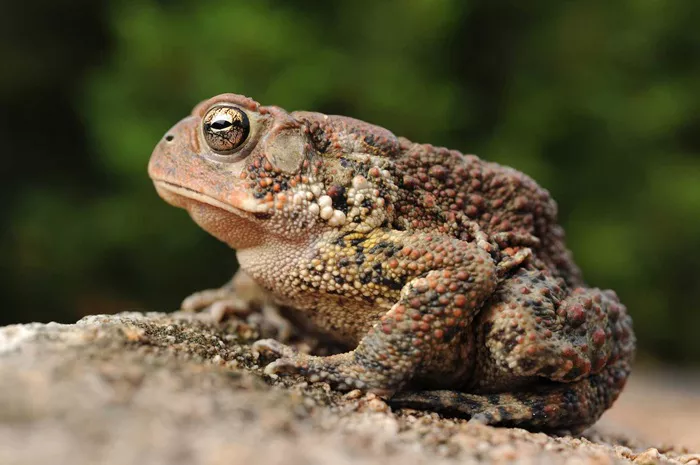
The American toad, scientifically known as Anaxyrus americanus, is one of the most widespread amphibians in North America. It belongs to the family Bufonidae and is commonly found in forests, fields, gardens, wetlands, and suburban areas. This adaptable species has survived for thousands of years by developing strong defensive strategies. However, despite its toxins and camouflage, it still faces many predators throughout its life cycle.
Understanding the predators of the American toad is important for anyone studying amphibians, ecology, or wildlife conservation. Predation affects population size, behavior, habitat selection, and reproductive success. The American toad interacts with birds, mammals, reptiles, fish, and even insects. Each predator targets different life stages, from eggs to adults.
This article explores in detail the many predators of the American toad. It explains how predation changes through the toad’s life stages. It also examines how the toad defends itself and why some predators are resistant to its toxins. By the end, readers will clearly understand the ecological pressures faced by this remarkable amphibian.
Overview of the American Toad
Physical Characteristics
The American toad has dry, warty skin. Its color ranges from brown to gray, sometimes with reddish tones. It usually has one or two warts per dark spot on its back. Behind each eye lies a large parotoid gland. These glands produce toxic secretions that help defend the toad from predators.
Adult American toads typically measure between 5 and 10 centimeters in length. Females are usually larger than males. Their short legs are strong but not built for long jumps like frogs. Instead, they prefer short hops and slow movements.
Habitat and Distribution
The American toad lives across much of eastern and central North America. It is commonly found in the United States and parts of Canada. It thrives in woodlands, grasslands, gardens, and near ponds or slow-moving streams.
This species prefers moist environments but can tolerate drier conditions than many other amphibians. During the breeding season, it gathers in shallow freshwater bodies. Outside of breeding season, it lives on land and hides under logs, rocks, or leaf litter.
Why Predation Is Important in the Life of the American Toad
Predation plays a key role in natural selection. It shapes behavior, body structure, and chemical defenses. For the American toad, predators influence when it moves, where it hides, and how it reproduces.
High predation pressure at early life stages means that only a small percentage of eggs survive to adulthood. This is why female toads lay thousands of eggs at one time. Producing large numbers increases the chance that some offspring will survive.
Predation also keeps ecosystems balanced. The American toad is both predator and prey. While it eats insects and small invertebrates, it also serves as food for many larger animals.
Predators of American Toad Eggs
Aquatic Insects
American toad eggs are laid in long gelatinous strings in shallow water. These eggs are vulnerable. Aquatic insects such as diving beetle larvae and dragonfly nymphs feed on them. These insects use strong mouthparts to pierce and consume the developing embryos.
Fish
Fish are major predators of amphibian eggs. Species such as bass and sunfish readily consume egg masses when available. In ponds with many fish, egg survival rates drop significantly.
Other Amphibians
Some salamanders and frog species may eat toad eggs. Opportunistic feeding is common in aquatic environments. Eggs are stationary and easy to consume.
Predators of American Toad Tadpoles
Fish Species
Fish remain one of the primary predators during the tadpole stage. Although tadpoles contain mild toxins, many fish can tolerate small amounts. Larger fish often consume them in significant numbers.
Aquatic Birds
Wading birds such as herons may eat tadpoles while feeding in shallow water. Ducks may also consume them incidentally while foraging.
Aquatic Invertebrates
Large water bugs and predatory beetles attack tadpoles. They grasp them with specialized legs and inject digestive enzymes.
Predators of Juvenile American Toads
Snakes
Snakes are important predators of young toads. Species such as garter snakes often feed on small amphibians. Some snake species show partial resistance to toad toxins.
Birds
Many bird species prey on juvenile toads. Crows, blue jays, and hawks may capture them in open areas. Birds often flip the toad over and avoid ingesting toxic glands.
Small Mammals
Raccoons and skunks sometimes prey on young toads. These mammals may skin the toad or eat only the internal organs while avoiding the most toxic parts.
Predators of Adult American Toads
Snakes
Several snake species consume adult toads. The eastern hognose snake is especially known for specializing in toads. It has physiological adaptations that allow it to tolerate their toxins.
Birds of Prey
Hawks and owls occasionally prey on adult toads. They rely on strong talons and sharp beaks. Some birds avoid the skin and consume internal tissues.
Mammalian Predators
Raccoons, foxes, and skunks are known to attack adult toads. These mammals often manipulate the toad to avoid toxic secretions. Domestic dogs may also attack toads, although the toxins can cause illness in pets.
Reptiles
Large turtles may opportunistically eat toads near water bodies. Predatory reptiles take advantage of slow-moving amphibians.
Specialist Predator The Eastern Hognose Snake
The eastern hognose snake is particularly well adapted to feeding on toads. It has enlarged rear teeth that help puncture inflated toads. When threatened, American toads puff up their bodies to appear larger. The hognose snake counters this defense effectively.
This predator also shows resistance to bufotoxins. Its digestive system neutralizes toxins that would harm many other animals. This evolutionary relationship is a clear example of predator-prey adaptation.
How the American Toad Defends Itself
Toxic Skin Secretions
The American toad produces bufotoxins from its parotoid glands. These chemicals can irritate mucous membranes and cause discomfort in predators. Some predators learn quickly to avoid toads after one negative experience.
Camouflage
The toad’s coloration blends with soil and leaf litter. Remaining still reduces detection by visually oriented predators.
Inflation Behavior
When threatened, the toad inflates its body. This makes it harder to swallow. It may also raise its body and stand tall to appear larger.
Nocturnal Activity
American toads are mostly active at night. This reduces exposure to daytime predators such as hawks.
Human-Related Threats
Although not traditional predators, humans impact American toad populations. Habitat destruction reduces hiding spaces. Road traffic kills many migrating toads during breeding season.
Domestic pets sometimes attack toads. Pesticides may also weaken them, making them more vulnerable to natural predators.
Ecological Balance and the Role of Predation
Predation is not purely destructive. It maintains ecological balance. Predators control amphibian populations. In turn, toads help regulate insect populations. This interconnected system supports biodiversity.
If predator numbers decline, amphibian populations may temporarily increase. However, ecosystem balance eventually shifts. Healthy predator-prey relationships indicate stable environments.
Conclusion
The American toad faces many predators throughout its life. Eggs are eaten by aquatic insects and fish. Tadpoles are consumed by fish and birds. Juveniles and adults fall prey to snakes, birds, mammals, and reptiles. Despite these threats, the species survives through toxin production, camouflage, and high reproductive output.
Understanding the predators of the American toad provides insight into amphibian ecology. It highlights the complex relationships that sustain natural ecosystems. The American toad remains a resilient species, shaped by constant interaction with the many animals that hunt it.