
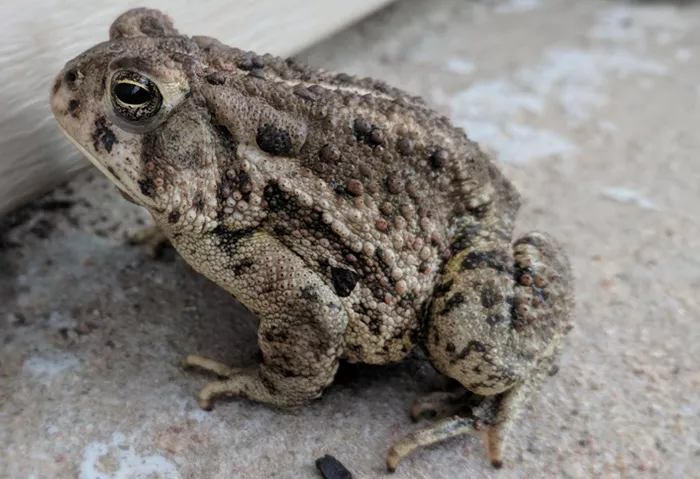
The American toad (Anaxyrus americanus) is one of the most familiar amphibians in North America. It lives in forests, fields, gardens, wetlands, and even suburban yards. Many people see it during warm evenings after rain. Although it moves slowly and looks calm, it is a skilled predator.
Understanding what American toads eat is important for several reasons. Their diet explains how they survive in different habitats. It also shows how they help control insect populations. Gardeners, students, and wildlife enthusiasts often ask what foods support healthy toad populations. This article explores the feeding habits of the American toad in detail. It explains what they eat in the wild, how they hunt, how diet changes through life stages, and what they eat in captivity.
Basic Classification and Natural Range
The American toad belongs to the family Bufonidae. It is widely distributed across the eastern and central regions of North America. It can be found from southern Canada through the eastern United States.
This wide distribution affects its diet. A toad living in a forest will encounter different prey than one living near farmland or suburban lawns. However, all American toads share common feeding strategies.
Are American Toads Carnivores
American toads are strictly carnivorous. They do not eat plants as a primary food source. They feed mainly on small invertebrates. Most of their prey consists of insects and other small arthropods.
They are opportunistic feeders. This means they eat what is available and easy to catch. They do not chase prey over long distances. Instead, they wait quietly and strike quickly.
Main Food Sources in the Wild
Insects
Insects form the largest part of the American toad’s diet. Common insect prey includes:
– Beetles
– Ants
– Flies
– Moths
– Grasshoppers
– Crickets
Beetles are especially important. Many studies of stomach contents show a high percentage of beetle remains. Ants are also frequently eaten. Although ants are small, they are abundant and easy to capture.
Worms
Earthworms are another important food source. After rain, worms come to the soil surface. This makes them easy targets. Worms provide high moisture and protein content, which supports growth and energy.
Spiders
Spiders are commonly eaten. Toads do not distinguish between insects and arachnids. If a spider moves within range, it may become prey.
Slugs and Snails
Slugs and small snails are sometimes consumed. These soft-bodied animals are slow and easy to catch. However, they are not the main part of the diet.
Other Small Invertebrates
American toads may also eat centipedes, millipedes, and small larvae. They focus on prey that fits easily into their mouths.
How American Toads Hunt
American toads use a “sit-and-wait” hunting strategy. They remain still and watch for movement. Their eyes detect motion very well. When prey moves nearby, the toad strikes.
The tongue plays a key role. It is attached at the front of the mouth and flips outward quickly. The sticky surface grabs the prey. The action takes less than a second.
After capture, the toad swallows the prey whole. It does not chew. Small teeth help grip prey but are not used for chewing.
Feeding Behavior at Night
American toads are mostly nocturnal. They hunt mainly at night. Cooler temperatures and higher humidity help prevent dehydration. Many insects are also active at night, making feeding more successful.
Artificial lights near houses can attract insects. Toads may gather under porch lights or streetlights because prey is concentrated there.
Seasonal Changes in Diet
Spring
In spring, toads emerge from hibernation. They need energy after months of inactivity. They eat heavily during this time. Insects and worms that appear with warmer temperatures become major food sources.
Summer
During summer, food is abundant. Toads continue feeding on insects. Growth is rapid in young individuals. Adults maintain body condition and store fat reserves.
Autumn
In autumn, feeding intensity increases again. Toads prepare for winter hibernation. They build fat reserves in special tissues. A steady diet of insects supports this preparation.
Winter
American toads hibernate during winter in cold regions. They burrow below the frost line. During this period, they do not eat.
Diet Differences Between Tadpoles and Adults
Tadpole Diet
Tadpoles have a very different diet from adults. They are mostly herbivorous or omnivorous. They feed on algae, plant matter, and organic debris in water. They scrape surfaces with specialized mouthparts.
Metamorphosis and Diet Shift
After metamorphosis, young toads leave the water. Their digestive system changes. They switch to a carnivorous diet. At this stage, they begin eating small insects such as tiny ants and springtails.
What Do Baby American Toads Eat
Newly transformed toads are very small. They eat very small prey. Suitable prey includes:
– Fruit flies
– Small ants
– Tiny beetles
– Springtails
They must eat frequently because they grow quickly. Access to abundant small insects is critical for survival.
Do American Toads Eat Mosquitoes
American toads can eat mosquitoes, but mosquitoes are not a major part of their diet. Mosquitoes are small and fly quickly. Toads prefer prey that crawls or jumps on the ground.
However, by eating many insects in general, toads indirectly help control mosquito populations.
Do American Toads Eat Harmful Garden Pests
Yes. American toads are beneficial to gardens. They consume many insects that damage plants. Examples include beetles and caterpillars. Because of this, gardeners often consider them natural pest control agents.
Do American Toads Eat Vertebrates
American toads rarely eat vertebrates. Very large individuals may occasionally consume small frogs or tiny snakes. However, this is uncommon. Their typical prey consists of invertebrates.
Feeding in Captivity
Common Captive Foods
In captivity, American toads are usually fed live insects. Suitable options include:
– Crickets
– Mealworms
– Earthworms
– Dubia roaches
Importance of Variety
A varied diet is important. Feeding only one type of insect may lead to nutritional imbalance. Dusting insects with calcium and vitamin supplements supports bone health.
Feeding Frequency
Young toads should be fed daily. Adults can be fed every two to three days. Overfeeding should be avoided to prevent obesity.
How Diet Affects Health
Diet directly affects growth, immune function, and reproduction. A protein-rich diet supports muscle development. Adequate calcium prevents metabolic bone disease. Dehydration can occur if prey lacks moisture.
Role in the Ecosystem
American toads play an important ecological role. They help regulate insect populations. In turn, they are prey for snakes, birds, and mammals. Their diet connects them to multiple levels of the food web.
Adaptations That Support Feeding
Sticky Tongue Mechanism
The tongue is highly specialized. It is elastic and coated with sticky saliva. This allows rapid prey capture.
Vision Adaptation
American toads detect movement more easily than stationary objects. This is why they respond strongly to moving prey.
Jaw Structure
They swallow prey whole. Their wide mouth opening allows them to consume relatively large insects.
Common Misconceptions About Their Diet
Some people believe American toads eat plants. This is incorrect for adults. Others think they eat only mosquitoes. In reality, they consume a wide variety of invertebrates.
Environmental Factors Influencing Diet
Habitat quality affects prey availability. Pesticide use can reduce insect populations. This may limit food supply for toads. Urban development can also reduce suitable feeding areas.
Conclusion
American toads are carnivorous amphibians that primarily feed on insects and other small invertebrates. Their diet includes beetles, ants, worms, spiders, and many other small creatures. They use a sit-and-wait strategy and a specialized sticky tongue to capture prey. Diet changes during development, with tadpoles feeding mostly on algae and adults becoming fully carnivorous. In gardens and natural ecosystems, American toads serve as important natural pest controllers. Understanding what they eat helps us appreciate their ecological value and supports better conservation and captive care practices.