
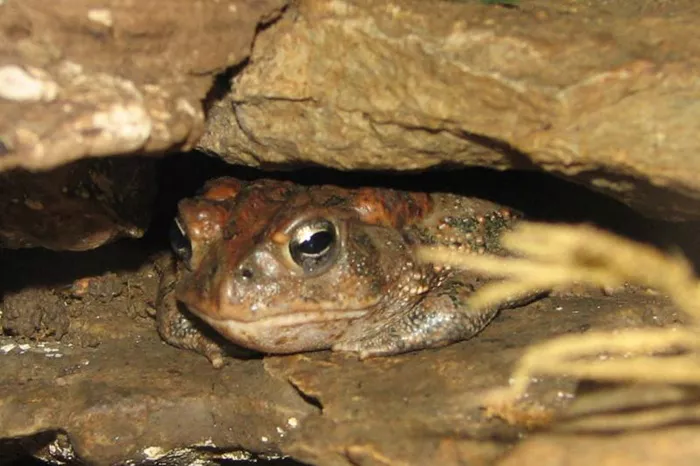
The American toad, scientifically known as Anaxyrus americanus, is one of the most familiar amphibians in North America. Many people see it in gardens, forests, parks, and even suburban yards. Although it is common, many people cannot clearly describe what it looks like. Some confuse it with frogs. Others mistake it for different toad species. This article will explain in detail what an American toad looks like. It will describe its size, skin, color, eyes, body shape, legs, and unique features. By the end, you will be able to identify this species with confidence.
General Body Shape
The American toad has a compact and rounded body. It does not have the long and slender shape seen in many frogs. Instead, its body looks thick and slightly flattened. The head is broad and short. The snout is rounded, not pointed. From above, the body appears oval.
The body seems heavy compared to its length. This gives the toad a sturdy appearance. Its posture is low to the ground. When resting, it often sits with its belly touching the soil. This body structure helps it conserve moisture and remain hidden.
Size and Proportions
An adult American toad usually measures between 2 to 4.5 inches in length. This measurement is taken from the tip of the snout to the end of the body, not including the legs. Females are generally larger than males. In some cases, a large female can appear almost twice the size of a small male.
The body is wider than it is tall. The limbs are strong but not extremely long. Compared to many frog species, the legs of the American toad are shorter. This affects how it moves. Instead of making long leaps, it often hops in shorter movements.
Skin Texture
The most noticeable feature of the American toad is its skin. The skin is dry and rough. It is covered in small raised bumps called warts. These warts give the toad its classic “bumpy” look. Unlike frogs, whose skin is smooth and moist, the American toad’s skin looks thick and textured.
Each dark spot on its back usually contains one or two large warts. This is an important identifying feature. Some similar species have more warts inside each dark spot. Observing this detail can help distinguish species.
The skin is not actually dangerous to touch, but it does contain glands that produce mild toxins. These toxins help protect the toad from predators.
Color Variations
The American toad shows a wide range of colors. Its base color can be brown, gray, reddish-brown, or even olive. The exact shade often depends on the environment. Toads living in sandy areas may appear lighter. Those in darker forests may appear deeper brown or gray.
Across its back, you will usually see darker spots. These spots are often brown or black. The spots are scattered across the back and sometimes along the sides. The belly is much lighter. It is usually white or cream-colored. The belly may have small dark speckles, but it does not have large bold patterns.
The Parotoid Glands
Behind each eye, the American toad has a large oval-shaped gland. These are called parotoid glands. They are clearly visible as raised areas behind the eyes. These glands produce a milky toxin when the toad feels threatened.
In the American toad, the parotoid glands are separated from the ridge of bone above the eye by a small gap. This detail is important for species identification. In some other toad species, the gland may touch or connect directly to that ridge.
Head and Facial Features
The head of the American toad is broad and somewhat flat. The snout is short and rounded. The nostrils are small and located near the tip of the snout. The mouth is wide, but it does not extend far back beyond the eyes.
The American toad has cranial crests. These are raised ridges of bone on top of the head. They begin between the eyes and extend backward. These ridges are usually noticeable and help define the shape of the head.
Eyes and Vision
The eyes of the American toad are large and prominent. They stick out slightly from the sides of the head. The iris is usually golden or copper in color. It may have black horizontal markings.
The pupil is horizontal, not round. This is typical of many toad species. The horizontal pupil helps the toad see well at night and detect movement across the ground.
Leg Structure and Movement
The American toad has four legs. The front legs are shorter and used mainly for support. The back legs are stronger and slightly longer. However, they are not as long as those of many frogs.
The toes on the front feet are not webbed. The back feet have slight webbing, but it is not extensive. This reflects the toad’s lifestyle. It spends more time on land than in water. It does not rely on swimming as much as aquatic frogs do.
Because of its leg structure, the American toad usually moves in short hops. It does not make long, graceful leaps. When threatened, it may hop quickly, but it often relies on camouflage instead of speed.
Differences Between Males and Females
There are visible differences between male and female American toads. Females are typically larger and heavier. Males are smaller and slimmer.
During the breeding season, males develop darker throats. The throat may appear black or very dark gray. Females usually have lighter throats. Males also have special pads on their thumbs called nuptial pads. These pads help them grip females during mating.
Juvenile Appearance
Young American toads, called toadlets, look similar to adults but are much smaller. After they complete metamorphosis from tadpoles, they are often less than half an inch long. Their skin already has small bumps, but the texture may seem less pronounced.
Juveniles may appear darker in color. As they grow, their colors and patterns become clearer and more defined.
Comparison With Similar Species
The American toad is often confused with Fowler’s toad. Both species share similar habitats and body shapes. However, there are key visual differences.
The American toad usually has one or two warts per dark spot. Fowler’s toad often has three or more warts in each dark spot. The parotoid glands in Fowler’s toad often touch the cranial crest, while in the American toad there is usually a slight separation.
Careful observation of these small details can help identify the correct species.
Seasonal Changes in Appearance
The appearance of the American toad can change slightly with the seasons. During the breeding season in spring, males may show brighter throat coloration. Their bodies may appear slightly leaner due to increased activity.
In colder months, before hibernation, the toad may appear heavier. The skin color may also seem duller. Environmental conditions, such as humidity and temperature, can influence its overall tone.
Adaptations Reflected in Its Appearance
Every physical feature of the American toad serves a purpose. The rough, warty skin helps reduce water loss. The dull colors help it blend into leaves, soil, and forest floors. The parotoid glands provide chemical defense.
The horizontal pupils improve night vision. The sturdy body and shorter legs support a terrestrial lifestyle. These features together create a well-adapted amphibian suited to many North American environments.
How to Identify an American Toad in the Wild
If you see a toad in North America, observe the following features:
Look at the skin texture. Is it dry and warty?
Check the color and number of warts within each dark spot.
Examine the parotoid glands behind the eyes.
Notice the size and overall body shape.
Observe the throat color if it is breeding season.
These visual clues will help you determine whether you are looking at an American toad.
Conclusion
The American toad is a compact, sturdy amphibian with rough, warty skin and earthy coloration. It usually measures between 2 and 4.5 inches long. Its body is rounded, its legs are relatively short, and its movements are based on short hops rather than long leaps. Distinct features such as the parotoid glands, cranial crests, horizontal pupils, and the pattern of warts on its back make it identifiable. Although it may seem simple at first glance, its appearance reflects a series of adaptations that allow it to survive across a wide range of environments. By understanding these physical traits, anyone can recognize and appreciate the American toad with greater confidence and clarity.