
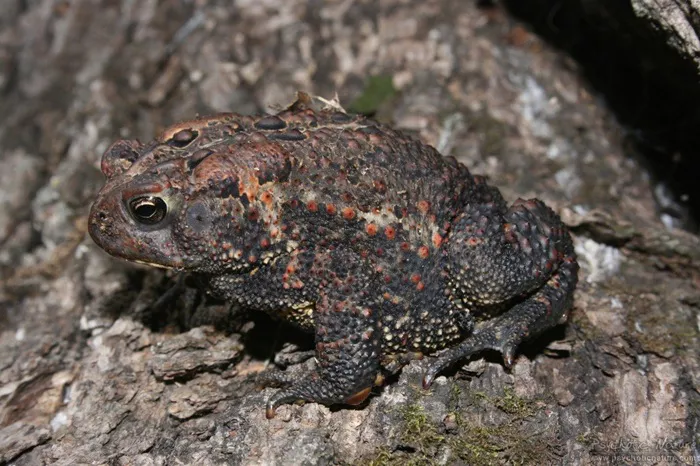
The American toad, scientifically known as Anaxyrus americanus, is one of the most familiar amphibians in North America. Many people see it in gardens, forests, and wetlands. Children pick them up with curiosity. Gardeners notice them near flower beds. Pet owners sometimes consider keeping them in terrariums. A common question often follows these encounters: do American toads smell?
This question may seem simple, but it involves biology, behavior, habitat, and human perception. Some people report a mild earthy scent. Others say they notice no odor at all. A few mention a sharp smell when the toad is stressed. To understand the truth, we must look at the anatomy and ecology of the species. We must also consider how amphibian skin functions.
In this article, we will explore whether American toads produce any noticeable smell. We will examine their skin glands, defensive chemicals, habitat influences, and the difference between natural scent and unpleasant odor. We will also discuss whether their enclosures or environments contribute to smell. By the end, you will have a clear and scientifically grounded understanding of the topic.
Understanding the American Toad
Taxonomy and Classification
The American toad belongs to the family Bufonidae. Its scientific name is Anaxyrus americanus. It was formerly placed in the genus Bufo, but taxonomic revisions reassigned it. It is widely distributed across the eastern and central regions of North America.
Physical Characteristics
American toads have dry, warty skin. Their coloration ranges from brown to gray to reddish tones. Each dark spot on their back usually contains one or two warts. They possess large parotoid glands behind their eyes. These glands are important when discussing smell.
Habitat and Lifestyle
These toads live in forests, grasslands, suburban gardens, and wetlands. They are primarily nocturnal. During the day, they hide under logs, stones, or leaf litter. They prefer moist environments but can tolerate moderate dryness better than many frogs.
Do American Toads Naturally Smell
Normal Body Odor
Under normal conditions, a healthy American toad does not produce a strong or offensive smell. If you gently handle one, you may notice a faint earthy or musky scent. This smell is subtle. It is similar to damp soil or forest leaf litter. This is not unpleasant. It reflects the toad’s environment rather than a strong chemical emission.
Amphibian skin is permeable. It absorbs water and substances from the environment. Because of this, the scent of a toad often mirrors the smell of the soil and moisture where it lives.
Skin Secretions and Mild Odor
American toads possess specialized skin glands. These glands produce secretions that keep the skin moist and protect against pathogens. These substances may have a slight odor. However, in calm conditions, this odor is minimal and rarely noticeable unless the animal is handled closely.
The Role of Parotoid Glands
What Are Parotoid Glands
Behind each eye of the American toad lies a large oval structure called a parotoid gland. These glands produce defensive toxins. The primary compound is bufotoxin, a chemical deterrent against predators.
Do Defensive Secretions Smell
When a toad feels threatened, it may release a milky secretion from its parotoid glands. This secretion can have a slightly sharp or bitter odor. It is not typically strong enough to be detected from a distance. However, at close range, some individuals describe it as acrid or medicinal.
This defensive secretion is more about taste and toxicity than smell. Predators such as raccoons or dogs learn quickly to avoid the unpleasant taste. The odor plays a secondary role compared to chemical irritation.
Environmental Factors That Influence Smell
Habitat Conditions
If a toad lives in clean soil and fresh water, it rarely smells unpleasant. However, if it inhabits stagnant water, polluted areas, or decaying organic matter, its skin may carry environmental odors. Amphibian skin absorbs and retains scents from surroundings.
Humidity and Bacterial Growth
High humidity supports bacterial and fungal growth. In unhealthy conditions, microorganisms can multiply on the skin surface. This may produce a sour or musty odor. In such cases, the smell does not originate from the toad’s natural biology but from microbial imbalance.
Do Pet American Toads Smell
Terrarium Hygiene
In captivity, smell is usually related to enclosure maintenance. A clean terrarium with proper substrate, ventilation, and regular cleaning will not produce a bad odor. The toad itself remains relatively odorless.
Waste Accumulation
Like all animals, American toads produce waste. If feces are not removed promptly, ammonia and bacterial decomposition can cause unpleasant smells. Owners may mistakenly believe the toad itself smells, when in fact the enclosure is the source.
Comparing American Toads to Other Amphibians
Frogs Versus Toads
Frogs generally have smoother and more moist skin than toads. Some tropical frog species produce stronger chemical secretions. Compared to these species, the American toad has relatively mild scent production.
Other Toad Species
Some tropical toads have more potent defensive chemicals. The American toad is moderate in comparison. Its secretion is effective against predators but not strongly odorous to humans.
Human Perception of Smell
Sensitivity Differences
People vary in their sense of smell. Some individuals are highly sensitive and may detect faint earthy scents. Others may notice nothing at all. Personal experience influences perception.
Psychological Factors
Expectations can influence perception. If a person assumes amphibians are dirty, they may interpret neutral smells as unpleasant. Scientific observation shows that healthy American toads are generally neutral in odor.
Health Issues and Abnormal Odors
Infections
If a toad develops a bacterial or fungal infection, the skin may produce an unusual smell. This is not typical. It often accompanies visible symptoms such as discoloration, sores, or lethargy.
Improper Care in Captivity
Improper humidity, dirty substrate, or poor ventilation can lead to odor buildup. Maintaining proper husbandry prevents these issues.
Are American Toads Dangerous Because of Smell
The smell itself is not dangerous. The toxins in their skin can irritate the mouth or eyes of predators. For humans, simply washing hands after handling is sufficient precaution. The odor does not pose health risks under normal circumstances.
Why Some People Think Toads Smell Bad
Misunderstandings often arise from environmental context. A toad found in muddy water may carry that scent. A neglected terrarium may smell strongly. These situations create a false impression that the animal itself is foul-smelling.
Scientific Perspective on Amphibian Odor
Amphibian skin secretions serve antimicrobial and defensive functions. Odor is a secondary characteristic. In the American toad, the concentration of volatile compounds is low. Therefore, noticeable smell is minimal.
Conclusion
American toads do not naturally produce a strong or unpleasant smell. A healthy individual has at most a faint earthy scent. Defensive secretions may have a mild sharp odor when the toad is stressed, but this is subtle. Environmental conditions and enclosure hygiene play a much larger role in any noticeable smell. When properly cared for and observed in clean habitats, American toads are essentially odor-neutral animals. Understanding their biology helps dispel myths and promotes accurate knowledge about these resilient amphibians.