
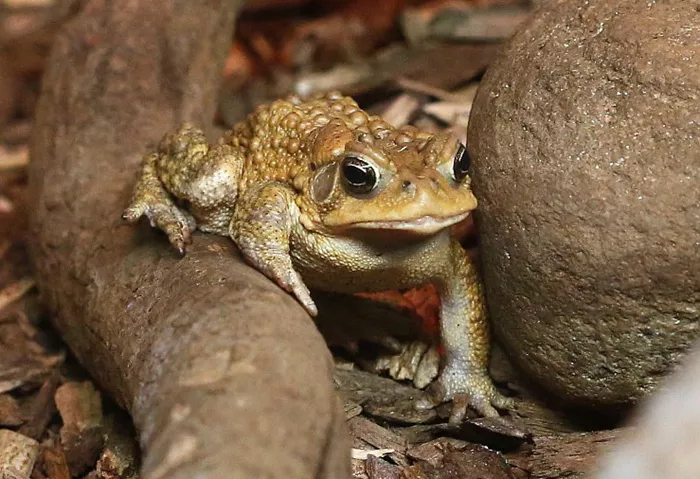
The American toad (Anaxyrus americanus) is a common species found throughout much of North America. These amphibians are well known for their adaptability and resilience. Understanding how American toads are born involves learning about their reproductive cycle, egg-laying habits, development stages, and the transformation from eggs to adult toads. This article provides a detailed and accessible explanation of this fascinating process.
American Toad Reproduction
American toads reproduce sexually. Males call to attract females during the breeding season. The calls are distinctive and can vary depending on the region. Once a female selects a mate, the male climbs onto her back in a position called amplexus. This position allows the male to fertilize the eggs externally as the female lays them in water.
The Breeding Season
Breeding typically occurs in early spring, shortly after American toads emerge from hibernation. The timing can vary depending on climate and geographic location. Generally, when nighttime temperatures consistently reach around 50°F (10°C), toads begin their migration to breeding ponds, shallow lakes, or slow-moving streams. These water sources are crucial for the survival of eggs and young tadpoles.
Egg Laying
Female American toads lay eggs in long, gelatinous strings that are wrapped around aquatic plants or submerged objects. A single female can lay between 2,000 and 20,000 eggs in one breeding season. Each egg is small and encased in a jelly-like coating that protects it from predators and bacterial infections. The eggs are externally fertilized by the male during the laying process.
Egg Development
Once laid, the eggs begin to develop rapidly. Within 48 to 72 hours, embryos start forming inside the gelatinous eggs. During this time, the embryos rely on the yolk inside the egg for nourishment. The development process is influenced by water temperature, oxygen levels, and other environmental factors. Warmer water generally speeds up development, while colder conditions slow it down.
Tadpole Stage
After approximately one to two weeks, depending on temperature and conditions, the eggs hatch into tadpoles. Tadpoles are fully aquatic and have gills for breathing underwater. They have a small, rounded body and a long tail for swimming. During this stage, tadpoles feed primarily on algae, plant material, and small microorganisms. This stage can last anywhere from six to twelve weeks, during which the tadpoles grow and gradually prepare for metamorphosis.
Metamorphosis
The process of metamorphosis transforms tadpoles into juvenile toads. During this period, significant changes occur:
- Leg Development: Hind legs appear first, followed by front legs.
- Lung Formation: Lungs develop, allowing the young toad to breathe air.
- Tail Absorption: The tail gradually shortens and is absorbed into the body.
- Diet Change: The young toads shift from herbivorous tadpoles to carnivorous juveniles, eating insects and small invertebrates.
Metamorphosis is typically complete within six to twelve weeks, depending on environmental conditions.
Juvenile Toads
Once metamorphosis is complete, juvenile American toads leave the water and begin a terrestrial life. These young toads are much smaller than adults, usually measuring 0.5 to 1 inch in length. They are capable of feeding themselves, and their skin begins to thicken, providing protection against dehydration and predators. Juvenile toads continue to grow over several years until they reach sexual maturity, which typically occurs around two to three years of age.
Factors Affecting Survival
Not all American toad eggs and tadpoles survive to adulthood. Predators, environmental changes, and diseases can significantly impact survival rates. Eggs are vulnerable to fish, insects, and birds, while tadpoles face predation from larger aquatic animals. Environmental factors, such as water quality, temperature, and drought, also play a crucial role in the development and survival of young toads.
Interesting Facts About American Toad Birth
Several unique aspects make American toad reproduction fascinating:
- High Egg Production: Laying thousands of eggs increases the likelihood that some will survive despite high predation rates.
- Gelatinous Protection: The jelly coating around eggs offers protection against dehydration and some predators.
- Metamorphic Adaptation: Tadpoles undergo dramatic physiological changes to transition from an aquatic to a terrestrial environment.
- Temperature Sensitivity: Development speed is closely linked to water temperature, making timing critical for survival.
Conclusion
American toads are born through a complex yet fascinating process that begins with mating calls and ends with juvenile toads emerging from the water. From external fertilization and egg laying to the aquatic tadpole stage and metamorphosis into terrestrial juveniles, every step is vital for survival. Understanding how American toads are born not only reveals the resilience of this species but also highlights the delicate balance of nature that supports amphibian life. These creatures demonstrate remarkable adaptability, ensuring that each new generation continues the species across North America.