
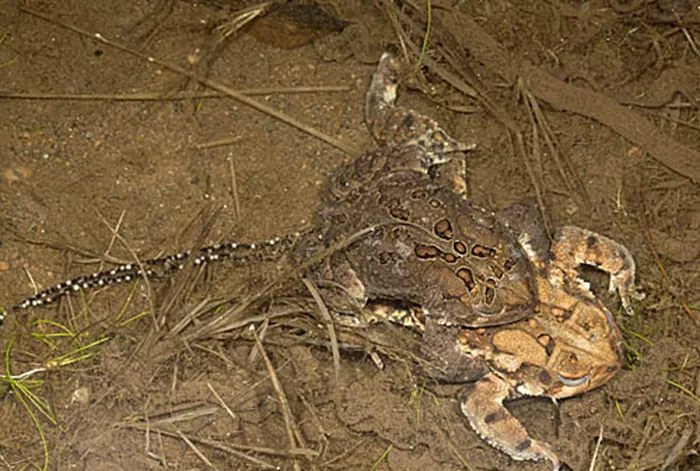
American toads are common amphibians found throughout North America. Their reproductive process is fascinating and essential for the survival of their species. Understanding how these toads reproduce helps in appreciating their role in ecosystems and aids conservation efforts. In this article, we explore the reproduction cycle of American toads in detail, from mating behaviors to the development of young toads.
Breeding Season of American Toads
The breeding season of American toads usually occurs in early spring. As temperatures rise and rainfall increases, adult toads migrate from their terrestrial habitats to aquatic environments such as ponds, lakes, and slow-moving streams. The timing of this migration is influenced by regional climate, but it typically begins as soon as the ice melts and water bodies become accessible.
Mating Behavior
American toads exhibit distinctive mating behaviors. Males arrive at breeding sites first and begin calling to attract females. Their calls are high-pitched trills that can last several seconds and are repeated many times. These calls serve both to attract females and to establish dominance among competing males.
Amplexus
Once a female is attracted, the male climbs onto her back and grasps her in a position called amplexus. In this position, the male holds the female tightly with his forelimbs, aligning their bodies so that fertilization can occur externally. Amplexus may last from hours to several days, depending on environmental conditions and the number of competing males.
Egg Laying
After amplexus, the female lays eggs in water. A single female can lay thousands of eggs in long strings, often wrapped around aquatic vegetation for protection. These eggs are small, black, and jelly-coated, which helps to keep them together and offers some protection from predators.
Fertilization
Fertilization in American toads is external. As the female lays eggs, the male releases sperm over them in the water. This process ensures that the eggs are fertilized outside the body. External fertilization is common among amphibians and allows the species to produce a large number of offspring, increasing the chances of survival despite high predation rates.
Egg Development
The development of toad eggs depends on water temperature. Eggs typically hatch within one to two weeks. Warmer water speeds up development, while cooler water slows it down. During this period, the eggs remain vulnerable to predators, environmental changes, and fungal infections.
Tadpole Stage
Once hatched, the young are called tadpoles. Tadpoles are aquatic, have gills for breathing, and feed on algae and small organic matter. This stage can last from six to twelve weeks, depending on environmental conditions. During this time, tadpoles undergo rapid growth and development, gradually forming hind limbs, then front limbs, and eventually lungs for breathing air.
Metamorphosis
Metamorphosis is the process where tadpoles transform into juvenile toads. This involves a dramatic change in body structure, including the development of legs, the resorption of the tail, and the transition from gills to lungs. Juvenile toads, also called toadlets, leave the water and move to terrestrial habitats, ready to begin their independent lives.
Juvenile Toads and Growth
After metamorphosis, juvenile toads continue to grow on land. They feed on insects and other small invertebrates. It can take several years for them to reach sexual maturity, usually around two to three years. Once mature, they will return to water to reproduce, completing the cycle.
Environmental Factors Affecting Reproduction
Several environmental factors influence American toad reproduction. Temperature, rainfall, and water quality all play crucial roles. Changes in climate or habitat destruction can affect breeding success. Additionally, the presence of predators and competition for resources can impact the survival of eggs and tadpoles.
Predators and Survival Strategies
American toad eggs and tadpoles face threats from fish, insects, birds, and other amphibians. To improve survival rates, females lay large numbers of eggs. Tadpoles also have adaptations such as coloration and schooling behaviors to reduce predation risk. Adult toads produce toxins in their skin that deter many predators once they leave the water.
Conclusion
The reproductive cycle of American toads is a remarkable process that demonstrates the adaptability and resilience of amphibians. From migration and mating behaviors to egg laying, tadpole development, and metamorphosis, each stage is crucial for the survival of the species. Understanding these processes allows for better conservation efforts and appreciation of the ecological importance of American toads. Their complex life cycle ensures that despite numerous environmental challenges, the species continues to thrive across North America.