
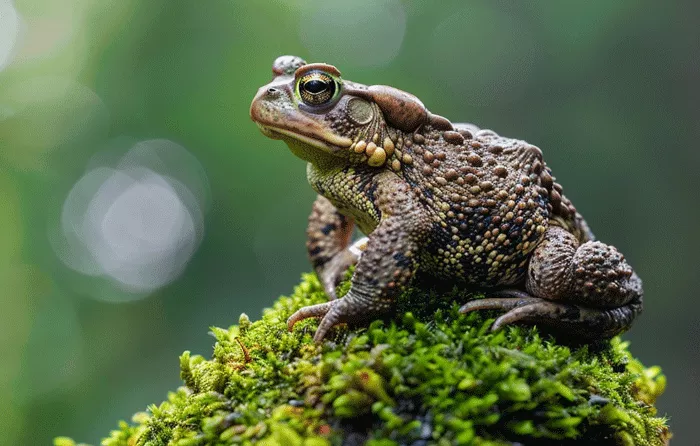
The American toad (Anaxyrus americanus) is a common amphibian found throughout much of North America. These toads are known for their distinctive calls, warty skin, and adaptability to diverse habitats. While many people are familiar with their presence in gardens, forests, and wetlands, fewer understand how long they can live and what factors influence their lifespan. Understanding the life expectancy of American toads is essential for both enthusiasts and researchers who wish to study their behavior, ecology, and conservation needs.
Species Overview of the American Toad
The American toad is part of the Bufonidae family, which includes true toads. It is a medium-sized amphibian, typically ranging from 5 to 9 centimeters in length. Their skin is rough and covered in warts, which is a defense mechanism against predators. They are nocturnal, primarily feeding on insects, worms, and other small invertebrates. American toads are adaptable, able to live in forests, grasslands, gardens, and suburban areas.
Life Stages of American Toads
The lifespan of American toads depends on several factors, including their stage of life. Understanding these stages provides insight into their overall longevity.
Egg Stage
American toads lay their eggs in long strings in freshwater environments such as ponds and slow-moving streams. Each female can lay between 2,000 and 20,000 eggs during a breeding season. The eggs hatch within 6 to 21 days, depending on water temperature and environmental conditions.
Tadpole Stage
After hatching, American toad tadpoles live in water, feeding on algae and plant matter. This stage typically lasts 6 to 12 weeks. Tadpoles are vulnerable to predators, pollution, and environmental changes. Their survival during this stage heavily impacts the population’s long-term health.
Juvenile Stage
Once metamorphosis occurs, young toads leave the water and begin life on land. Juvenile toads are smaller than adults and must avoid predators such as snakes, birds, and larger amphibians. The first few years are critical for establishing a stable adult population.
Adult Stage
Adult American toads are capable of reproduction and exhibit territorial behavior. They continue to feed on insects and other small prey. The adult stage is the longest phase of their life, and survival depends on habitat quality, predation, disease, and environmental conditions.
Average Lifespan in the Wild
The lifespan of American toads in the wild can vary widely. Many face predation, disease, and environmental hazards, which can limit their longevity. Studies have shown that most wild American toads live around 5 to 10 years. Some individuals, however, have been documented living over 12 years under favorable conditions. Predation and habitat destruction are the primary threats that reduce their lifespan in natural settings.
Lifespan in Captivity
American toads can live significantly longer in captivity, where predators are absent and environmental conditions are controlled. In captivity, these toads can live 10 to 20 years, sometimes exceeding 20 years with proper care. Factors such as diet, temperature, humidity, and habitat enrichment play a major role in their longevity. Captive studies also provide valuable insights into their growth patterns, aging, and health management.
Factors Affecting Lifespan
Several factors influence how long American toads can live. Some of the most important include:
Predation
Predators such as snakes, birds, raccoons, and larger amphibians are a constant threat. Toads employ several defenses, including their warty skin, which secretes toxins, and their nocturnal habits to avoid predation.
Environmental Conditions
Temperature, moisture levels, and seasonal changes affect toad survival. Harsh winters or droughts can reduce the lifespan of wild populations. Wetlands and moist habitats provide shelter and food, contributing to longer life expectancy.
Disease and Parasites
American toads are susceptible to fungal infections, viruses, and parasitic infestations. These can reduce their lifespan, especially in dense populations where disease spreads more easily.
Human Impact
Urbanization, pollution, pesticide use, and habitat destruction negatively affect American toads. Roads, chemical runoff, and deforestation all contribute to shorter lifespans by increasing mortality and reducing suitable habitat.
Genetics
Individual genetic traits also play a role. Some toads may naturally have a longer lifespan due to stronger immunity, better stress response, and efficient metabolism.
Signs of Aging in American Toads
Like other amphibians, American toads exhibit signs of aging as they grow older. These include:
- Reduced mobility and slower reflexes.
- Changes in skin texture, such as increased roughness or loss of color vibrancy.
- Decline in reproductive capability, with older toads producing fewer eggs or sperm.
- Reduced appetite and slower response to environmental stimuli.
Reproduction and Its Effect on Lifespan
Reproduction is an energy-intensive process. Female American toads may lay thousands of eggs each year, which requires significant energy reserves. Frequent breeding can reduce lifespan, while toads that breed less often or experience successful reproduction with fewer energy demands may live longer. Environmental factors such as water availability and food abundance also affect reproductive success and longevity.
Habitat and Lifespan Correlation
Habitat quality is crucial for the survival of American toads. Wetlands, moist forests, and undisturbed areas provide shelter, food, and breeding opportunities. Urban areas, by contrast, expose toads to pollution, roads, and fragmented habitats. Toads living in well-protected habitats often reach the upper limits of their natural lifespan, while those in disturbed environments may face early mortality.
Conservation Status and Lifespan Considerations
Although American toads are not currently endangered, their lifespan and population health are impacted by human activities. Conservation efforts focus on protecting wetlands, reducing pesticide use, and ensuring safe migration corridors. Healthy populations of American toads contribute to the ecosystem by controlling insect populations and serving as prey for other species, creating a balanced food web.
Interesting Facts About American Toad Longevity
- Some American toads have been recorded living over 20 years in captivity, far beyond their average wild lifespan.
- The secretions from their warty skin act as a natural deterrent against predators, indirectly influencing their survival.
- Temperature and humidity play a critical role: cold winters can induce hibernation, which conserves energy and extends lifespan.
- American toads exhibit remarkable adaptability, which allows them to survive in urban areas, although this often reduces their average lifespan compared to wild habitats.
Tips for Extending Lifespan in Captivity
For enthusiasts keeping American toads as pets or in educational settings, the following tips can help maximize lifespan:
- Provide a spacious and humid terrarium with hiding places and natural substrate.
- Maintain appropriate temperature ranges between 18°C and 25°C (65°F to 77°F).
- Offer a varied diet rich in insects and occasional supplements for optimal nutrition.
- Ensure clean water for hydration and occasional soaking.
- Minimize stress by limiting handling and providing environmental enrichment.
- Monitor for signs of disease or injury and seek veterinary care when necessary.
Conclusion
The lifespan of American toads varies depending on their environment, genetics, and exposure to predators and disease. In the wild, most live between 5 and 10 years, while some can survive over a decade under favorable conditions. In captivity, with careful care and optimal conditions, they can live more than 20 years. Understanding these factors is essential for conservation, research, and responsible care of this adaptable and fascinating amphibian. Protecting their habitats and minimizing human impact can ensure that American toads continue to thrive for generations to come.