
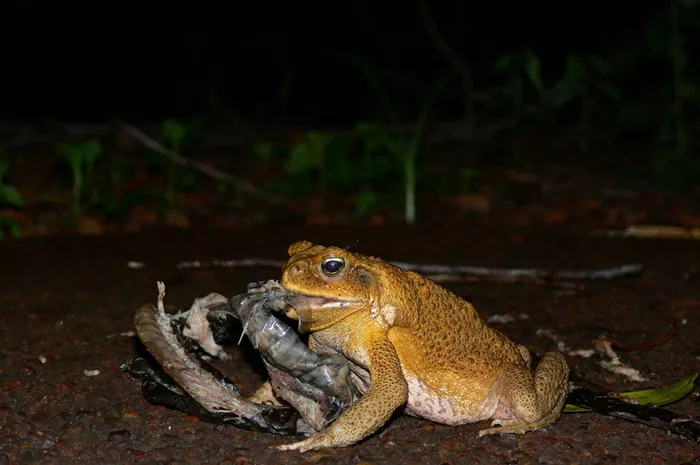
American toads are common amphibians found throughout North America. They are known for their adaptability and voracious appetite for insects. Among the many foods that toads consume, gardeners often wonder if hornworms, a large and juicy caterpillar, are safe and suitable for them. This article explores whether American toads can eat hornworms, the benefits and risks involved, and how to safely feed them to these amphibians.
Understanding American Toads
American toads (Anaxyrus americanus) are medium-sized amphibians that inhabit forests, fields, gardens, and suburban areas. They are primarily nocturnal and feed on a variety of insects and small invertebrates. Their diet is crucial for their growth, health, and reproduction.
Natural Diet of American Toads
In the wild, American toads consume beetles, ants, spiders, worms, and other soft-bodied insects. Their diet is opportunistic, meaning they eat whatever is available and manageable. This makes them flexible feeders, capable of handling a range of prey sizes.
Feeding Habits
American toads are sit-and-wait predators. They remain motionless until prey comes close, then use their sticky tongue to capture it. This hunting style works best for insects that are slow-moving or moderate in size. Hornworms, being larger and slower, can sometimes be an attractive target for them.
What Are Hornworms?
Hornworms are caterpillars of hawk moths, such as the tomato hornworm (Manduca quinquemaculata). They are known for their large size, bright green color, and the horn-like projection on their rear end. Hornworms are commonly found in gardens feeding on tomato, pepper, and other plants.
Nutritional Value of Hornworms
Hornworms are rich in protein and moisture, making them a nutritious option for insectivorous animals. Their soft bodies are easy to digest for most amphibians. For American toads, hornworms can provide an excellent source of energy and essential nutrients, especially during periods of growth or breeding.
Risks of Feeding Hornworms
Despite their nutritional benefits, hornworms may pose some risks. Wild hornworms can carry pesticides or parasites, which can harm toads. Additionally, the size of adult hornworms may be too large for smaller toads to swallow safely, leading to choking or digestive issues. Therefore, careful selection and preparation are necessary.
Can American Toads Safely Eat Hornworms?
The answer is generally yes, but with some precautions. Young toads should be offered smaller hornworms or cut into manageable pieces. Adult toads can handle larger hornworms, but supervision is recommended to ensure safe consumption. Avoid hornworms that have been exposed to chemicals or pesticides.
Feeding Guidelines
- Offer hornworms that are smaller than the width of the toad’s head.
- Wash or rinse hornworms to remove any potential pesticides.
- Introduce hornworms gradually into the toad’s diet to monitor acceptance and digestion.
- Feed hornworms as a supplement, not a staple, to maintain a balanced diet.
Signs of Safe Feeding
When toads eat hornworms safely, they will capture the prey quickly and digest it without difficulty. A healthy toad will maintain normal activity, remain hydrated, and show consistent feeding behavior. Any signs of bloating, regurgitation, or lethargy indicate feeding issues, and hornworms should be reconsidered as food.
Benefits of Feeding Hornworms to American Toads
Hornworms can be a valuable addition to a toad’s diet for several reasons:
High Moisture Content
Hornworms have a high water content, which helps keep toads hydrated, especially in dry environments.
Protein-Rich Nutrition
The protein in hornworms supports growth, tissue repair, and overall health of American toads.
Behavioral Enrichment
Feeding larger prey like hornworms encourages natural hunting behaviors and mental stimulation.
Precautions When Feeding Hornworms
While hornworms are generally safe, it is important to consider potential risks:
Avoid Wild-Caught Hornworms
Wild hornworms may carry pesticides or harmful parasites. Cultivated or commercially raised hornworms are safer options.
Size Appropriateness
Never feed hornworms that are too large for the toad. A prey item should be smaller than the width of the toad’s head to prevent choking or impaction.
Moderation
Hornworms should be part of a varied diet, not the sole food source. A mixture of insects ensures a balanced intake of nutrients.
Other Safe Foods for American Toads
Besides hornworms, American toads thrive on a wide range of prey:
- Crickets and grasshoppers
- Mealworms and superworms
- Small earthworms
- Flies and moths
- Spiders and other small invertebrates
Providing a varied diet ensures that the toads receive all the nutrients they need for long-term health.
Monitoring Toad Health After Feeding
Regular observation is important when introducing new foods like hornworms. Watch for signs of digestive upset, changes in behavior, or weight loss. Healthy American toads will eat actively, move around their enclosure, and maintain normal skin hydration.
Conclusion
American toads can safely eat hornworms if proper precautions are taken. Hornworms offer high moisture and protein content, providing nutritional and behavioral benefits. However, attention must be paid to size, source, and moderation. By feeding hornworms responsibly, amphibian enthusiasts can enhance the diet and wellbeing of their American toads while supporting natural hunting instincts and overall health.