
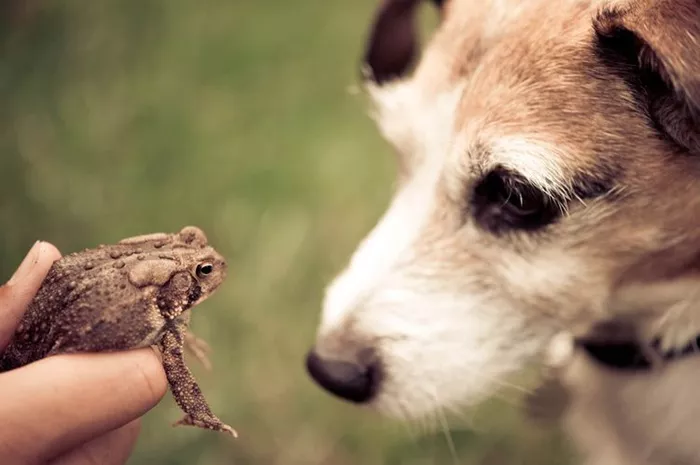
The American toad (Anaxyrus americanus) is a common amphibian found throughout the United States. These toads are generally small, harmless creatures that prefer moist environments and gardens. However, many dog owners worry about the potential dangers their pets may face if they come into contact with these toads. In this article, we will explore whether American toads can actually kill dogs, what toxins they produce, and how to keep pets safe.
Overview of American Toads
Physical Characteristics
American toads are usually brown, olive, or reddish in color, with warty skin and distinctive markings. Adults can grow up to 5 inches in length. Their warty skin is not just for appearance; it plays a critical role in their defense mechanisms.
Habitat and Behavior
These toads are primarily terrestrial but remain close to water sources for breeding. They are nocturnal, emerging mostly at night to hunt insects and small invertebrates. While generally passive, they have developed natural defenses against predators.
Toxins Produced by American Toads
What is Bufotoxin?
American toads secrete a chemical called bufotoxin from their parotoid glands, which are located behind their eyes. This toxin is meant to deter predators such as birds, snakes, and mammals from eating them. Bufotoxin can irritate the mouth, eyes, and skin of animals that attempt to bite or handle the toad.
Effects on Dogs
If a dog bites or licks an American toad, the bufotoxin can enter the dog’s system. Symptoms may include drooling, vomiting, pawing at the mouth, uncoordinated movements, increased heart rate, and sometimes seizures. The severity of these symptoms depends on the size of the dog and the amount of toxin ingested.
Can American Toads Kill Dogs?
Potential Lethality
While it is rare, American toads can potentially be fatal to dogs, especially small breeds or puppies. The toxin affects the heart and nervous system, and in severe cases, it can cause cardiac arrest. Immediate veterinary care is crucial if a dog shows signs of bufotoxin exposure.
Factors Affecting Risk
- Dog Size: Smaller dogs are at higher risk because the amount of toxin relative to their body weight is greater.
- Exposure Amount: A dog that bites or swallows the toad is in more danger than one that merely sniffs it.
- Health Condition: Dogs with pre-existing heart or nervous system conditions are more vulnerable.
Recognizing Toad Poisoning in Dogs
Prompt recognition of symptoms is vital. Signs of toad poisoning in dogs include:
- Excessive drooling and foaming at the mouth
- Vomiting or diarrhea
- Reddened or swollen gums
- Rapid heart rate or irregular heartbeat
- Seizures or tremors
- Disorientation or lethargy
Immediate Actions if a Dog Encounters a Toad
Step 1: Remove the Toad
Safely remove the dog from the area and prevent further contact with the toad.
Step 2: Rinse the Dog’s Mouth
Use lukewarm water to flush the dog’s mouth. Do not induce vomiting unless directed by a veterinarian.
Step 3: Contact a Veterinarian
Even if symptoms appear mild, contact a veterinarian immediately. Veterinary care may include activated charcoal, medications to control heart rate, and supportive therapy.
Preventing Toad Encounters
Yard Management
Reduce the presence of toads in your yard by removing standing water, trimming vegetation, and keeping the area clean from debris. This limits potential hiding spots for toads.
Supervised Outdoor Time
Supervise dogs when outdoors, especially at night when toads are most active. Using leashes can prevent accidental bites or ingestion.
Training Your Dog
Teach your dog the “leave it” command. Training dogs to avoid unknown animals can significantly reduce the risk of toad poisoning.
Conclusion
American toads are not aggressive, but their natural defense mechanism, bufotoxin, can be dangerous to dogs. While fatalities are rare, especially in larger dogs, small breeds and puppies are at higher risk. Understanding the symptoms, acting quickly in case of exposure, and taking preventive measures can protect dogs from serious harm. Pet owners should always be vigilant when their pets are in areas where American toads are common, and immediate veterinary care can save lives if poisoning occurs.