
The idea that touching a toad can give you warts is a widely held belief. Many people have grown up hearing warnings about American toads and other amphibians. But is there any truth to this? In this article, we will explore the biology of American toads, the nature of warts, and whether these charming amphibians are responsible for skin growths on humans. By understanding both the toads and warts scientifically, we can separate fact from myth.
Understanding American Toads
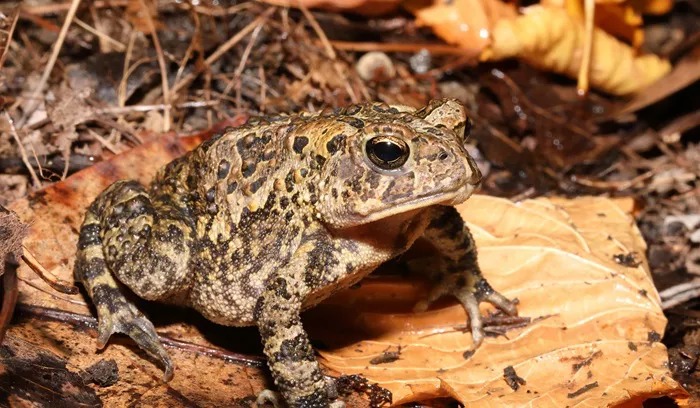
American toads (Anaxyrus americanus) are common amphibians found across the eastern United States and parts of Canada. They are medium-sized, with rough, bumpy skin that helps them blend into their natural surroundings. Their warty-looking skin has led to myths associating them with warts on humans.
Physical Characteristics
American toads typically measure 2 to 4 inches in length. Their skin color varies from brown to olive green, with darker spots. These spots and bumps are often mistaken for warts. However, these bumps are part of their normal skin texture and serve as a natural defense mechanism.
Habitat and Behavior
These toads are versatile in habitat choice, living in forests, grasslands, gardens, and even suburban areas. They are nocturnal and mainly eat insects, slugs, and other small invertebrates. While they secrete toxins through their skin to deter predators, these toxins are not harmful in the way many myths suggest.
What Are Warts?
Warts are small, rough growths that appear on the skin due to infections caused by certain types of human papillomavirus (HPV). These viruses are contagious between humans but are not transferred by contact with animals, including toads. Warts can appear on fingers, hands, feet, and other areas of the body.
Causes of Warts
Warts develop when HPV enters the skin through small cuts or abrasions. There are more than 100 types of HPV, but only a few types cause warts on hands and feet. The virus thrives in warm, moist environments, which is why warts are commonly seen on hands that are frequently wet or in shared showers.
Transmission of Warts
Warts spread primarily from human to human. They can transfer through direct skin contact or by touching contaminated surfaces. It is important to note that warts are not caused by amphibians or reptiles, and touching an American toad does not expose humans to the HPV virus.
The Toad-Wart Myth
The myth that touching toads causes warts likely originated from the appearance of the toad’s skin. Their bumpy, rough texture resembles the surface of warts, which may have contributed to the misconception. Additionally, folklore and stories passed down through generations reinforced this idea.
Why the Myth Persists
Folklore often uses exaggerated stories to keep children safe from potential hazards. Since toads can secrete mild toxins, adults may have warned children to avoid them, falsely linking them to warts. This warning became a common tale, even though there is no scientific basis for it.
Toad Toxins and Human Skin
American toads have parotoid glands behind their eyes that produce toxins as a defense mechanism. These toxins can cause mild irritation if they contact mucous membranes or broken skin. However, they do not cause viral infections or warts.
Effects of Toad Toxins
Contact with toad toxins may result in temporary redness, itching, or a mild burning sensation. Ingesting toad toxins can be dangerous and cause serious health issues, but casual handling of American toads is generally safe if hands are washed afterward. Importantly, this skin irritation is not the same as a wart and cannot spread to other parts of the body.
Scientific Studies on Toads and Warts
There have been no scientific studies linking toads to warts in humans. Dermatologists and herpetologists agree that HPV is a virus specific to humans, and amphibians cannot transmit it. Warts associated with human skin are purely viral, and environmental contact with toads is irrelevant to their development.
Proper Handling of American Toads
Although toads do not cause warts, it is important to handle them responsibly. Here are some tips:
Washing Hands
Always wash your hands thoroughly after touching a toad to remove any toxins. Soap and water are sufficient to prevent skin irritation or accidental ingestion of toxins.
Gentle Handling
Do not squeeze or handle toads roughly. Their skin is delicate, and rough handling can harm the toad as well as expose you to more toxin.
Observing in Nature
The safest way to enjoy American toads is by observing them in their natural habitat. This reduces any risk of irritation and allows you to appreciate their role in the ecosystem without physical contact.
Common Misconceptions About Amphibians
Many myths surround amphibians and their interactions with humans. Some common misconceptions include:
- All amphibians are poisonous. (Only certain species have toxins that can be harmful.)
- Toads cause warts. (This is false; warts are caused by HPV.)
- Amphibians can transmit all human diseases. (Most cannot transmit human-specific viruses.)
Why Education Matters
Understanding the biology of toads and the causes of warts helps dispel myths and encourages safe interactions with nature. Educational efforts in schools, nature centers, and communities can reduce unnecessary fear of amphibians while promoting their conservation.
American Toads and Human Health
While American toads do not give you warts, they play an important role in controlling insect populations. By reducing pests in gardens and agricultural areas, they indirectly contribute to human health and wellbeing. Appreciating their ecological role reinforces the idea that toads are beneficial rather than harmful.
Conclusion
American toads do not give humans warts. Warts are caused by the human papillomavirus, which is not present in amphibians. The bumpy appearance of toad skin may resemble warts, which is likely why the myth persists. While toads can secrete mild toxins that cause temporary skin irritation, these effects are not related to viral infections. Proper handling and hygiene ensure safe interactions with these fascinating creatures. By separating myth from reality, we can respect both our health and the natural world.