
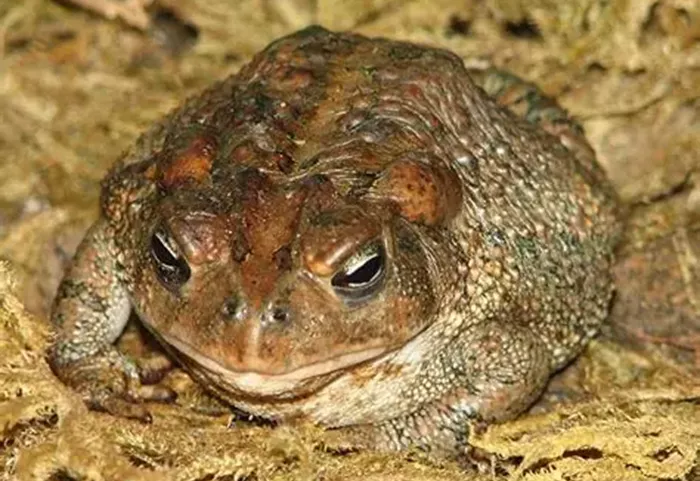
American toads are common amphibians found throughout much of North America. Many people have seen them in gardens, forests, and near ponds, but few stop to consider their intelligence. While toads are not often recognized for their mental abilities, scientific research suggests that they exhibit behaviors that indicate problem-solving skills, learning ability, and memory. Understanding the intelligence of American toads requires examining their behavior, sensory perception, and adaptability in the wild.
Understanding Amphibian Intelligence
Intelligence in animals can be difficult to measure. For amphibians like American toads, intelligence is often assessed through behaviors such as learning, memory, and response to environmental challenges. Unlike mammals or birds, toads have simpler brains, but their neural structures are specialized for survival in diverse habitats. Toad intelligence is not measured by complex problem-solving like humans, but by how effectively they navigate, find food, avoid predators, and reproduce.
American Toad Behavior
Behavior is one of the most visible signs of intelligence in any animal. American toads show various behaviors that indicate adaptability. They are primarily nocturnal and rely on their senses to locate prey, detect predators, and find suitable breeding sites. Their movements and responses are not random; they show clear patterns of learning and adaptation, which are signs of cognitive ability in amphibians.
Foraging Skills
American toads are insectivores. They use their keen sense of sight and touch to hunt insects, worms, and other small invertebrates. They display patience and precision while catching prey, often waiting for the right moment to strike. This hunting strategy shows a basic form of planning and learning from experience, suggesting that toads can adjust their behavior based on past encounters.
Predator Avoidance
Toads have developed several strategies to avoid predators. Their coloration provides camouflage, and they can remain motionless to escape detection. When threatened, they inflate their bodies or secrete toxins from their skin. These defensive behaviors are not purely instinctual; toads can assess threats and respond accordingly. This ability to modify behavior based on environmental cues is a sign of intelligence.
Learning and Memory in American Toads
Studies have shown that amphibians, including American toads, are capable of simple learning. They can learn to associate certain cues with rewards or dangers. For example, toads can learn to avoid areas where predators are present or where they have encountered unpleasant experiences. Memory plays a key role in these behaviors, allowing toads to adapt and survive over time.
Habitat Navigation
American toads often return to the same breeding sites each year. This behavior demonstrates spatial memory, as they must navigate through forests, fields, and urban areas to find ponds or wetlands. Even though their brain structure is simple, they are capable of remembering routes and landmarks. This spatial awareness is a critical aspect of their intelligence, especially for survival and reproduction.
Associative Learning
Associative learning is the ability to link a specific stimulus to a particular outcome. American toads show evidence of this type of learning in their response to environmental cues. For instance, they may learn that certain sounds or vibrations indicate approaching predators. By responding appropriately, they increase their chances of survival. This ability reflects cognitive processing and adaptability.
Sensory Perception and Problem Solving
The intelligence of American toads is also linked to their sensory perception. Their eyes, skin, and hearing are highly sensitive, allowing them to detect food, water, and threats. They can solve simple problems, such as finding shelter, avoiding obstacles, and capturing prey. These problem-solving behaviors do not require advanced reasoning but demonstrate practical intelligence in their ecological context.
Vision and Hunting
American toads rely heavily on vision for hunting. They can detect movement in low light conditions, which is crucial for nocturnal feeding. Their ability to focus on prey, judge distance, and time their strikes accurately indicates a form of visual processing and decision-making. These skills are essential for survival and are a key indicator of their cognitive abilities.
Tactile and Chemical Senses
Toads use their skin to sense vibrations and chemical signals in their environment. This sense helps them locate prey and recognize potential threats. The integration of tactile and chemical information allows them to make decisions quickly, showing a practical form of intelligence that enhances their survival in the wild.
Reproductive Behavior and Intelligence
American toads also display behaviors during mating that suggest intelligence. Males call to attract females, and they adjust their calls depending on competition and environmental conditions. Females choose mates based on call quality and other cues, indicating that both sexes are capable of complex decision-making. These reproductive behaviors reflect social intelligence, where individuals adapt their strategies to maximize reproductive success.
Breeding Site Selection
Choosing the right breeding site is critical for the survival of offspring. American toads select locations with adequate water, shelter, and low predation risk. Their ability to evaluate multiple factors and make choices demonstrates ecological intelligence, as it involves assessing risks, opportunities, and resources.
Communication and Social Interaction
The vocalizations of American toads are more than random noises; they serve specific social functions. Males adjust the frequency, duration, and timing of their calls to maximize attraction to females. This flexibility in communication indicates cognitive processing and an understanding of cause and effect, which are essential components of intelligence.
Adaptability to Changing Environments
One of the strongest indicators of intelligence is adaptability. American toads can survive in a variety of environments, from forests to suburban areas. They adjust their behavior based on the availability of food, presence of predators, and climate conditions. This behavioral flexibility shows that they are capable of learning, memory, and problem-solving in real-world conditions.
Response to Urbanization
As urban areas expand, American toads have shown the ability to survive in gardens, parks, and even near roads. They modify their activity patterns, avoid hazards, and find food in new environments. This adaptability highlights their intelligence and resilience in the face of human-altered landscapes.
Seasonal Adaptations
American toads hibernate during the winter and emerge in spring to breed. They must remember hibernation sites and navigate back to breeding areas. These seasonal behaviors involve memory, planning, and environmental awareness, all of which are aspects of intelligence.
Scientific Studies on Toad Intelligence
Research on amphibian cognition has provided insights into the intelligence of American toads. Experiments have shown that they can learn through conditioning, recognize patterns, and remember locations. While they may not demonstrate the complex reasoning of mammals, their behaviors reveal practical intelligence that allows them to thrive in diverse habitats.
Learning Experiments
Laboratory experiments have tested the ability of toads to learn from experience. For example, toads can be trained to avoid areas associated with mild negative stimuli. This demonstrates their ability to learn from environmental feedback, a key indicator of intelligence.
Memory Experiments
Studies have also explored spatial memory in toads. When released in unfamiliar environments, toads can often find their way back to specific locations, such as breeding ponds. This memory-based navigation shows cognitive processing and long-term retention, which are important aspects of intelligence.
Limitations of Toad Intelligence
While American toads show intelligence in practical behaviors, there are limitations. Their problem-solving is usually related to survival, feeding, and reproduction, rather than abstract reasoning. They cannot plan far into the future, create tools, or solve complex puzzles like mammals or birds. However, their intelligence is highly specialized and suited to their ecological niche.
Brain Structure
The brain of a toad is small and primarily geared toward sensory processing and motor control. The areas associated with complex reasoning are underdeveloped compared to mammals. This anatomical limitation defines the scope of their intelligence, which is focused on survival and reproduction rather than abstract thought.
Instinct vs. Learning
Many behaviors in toads are instinctual, such as hibernation and mating calls. While they can learn and adapt, much of their behavior is hardwired. Understanding the balance between instinct and learning helps explain why their intelligence appears limited in some contexts but highly effective in others.
Conclusion
In conclusion, American toads exhibit a form of intelligence that is specialized and practical. They demonstrate learning, memory, problem-solving, adaptability, and social behaviors that allow them to survive and reproduce effectively. While their intelligence differs from that of mammals or birds, it is well-suited to their environment and ecological needs. Understanding their behaviors and cognitive abilities enhances our appreciation of these common but fascinating amphibians, showing that even small, simple animals can possess remarkable mental skills.