
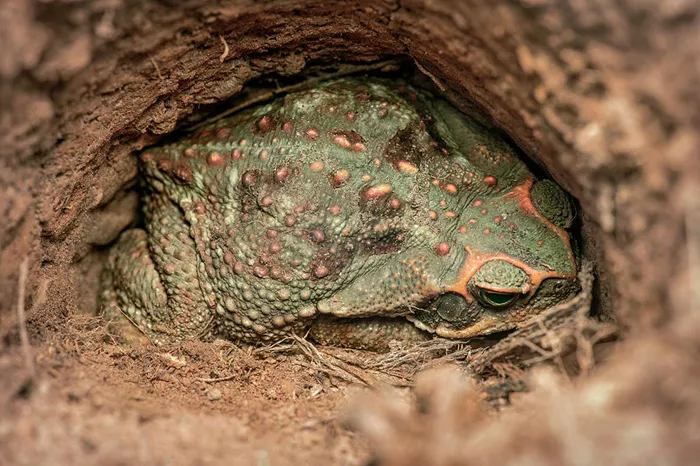
American toads (Anaxyrus americanus) are common amphibians found throughout North America. They are known for their distinctive warty skin and their loud, trilling calls during the breeding season. Despite their visible presence at times, these toads are secretive creatures that spend much of their lives hidden. Understanding where American toads hide is important for both enthusiasts and researchers, as it helps in observing their behavior and ensuring their safety in natural habitats.
Understanding American Toad Behavior
American toads are primarily nocturnal, meaning they are most active at night. During the day, they seek shelter to avoid predators and excessive sunlight. They are terrestrial but require access to moist environments to prevent their skin from drying out. This need for moisture significantly influences where they choose to hide.
Natural Hiding Spots
In the wild, American toads use a variety of natural hiding spots. Some common places include:
Under Leaf Litter
One of the most common hiding spots for American toads is beneath leaf litter. Fallen leaves provide a cool, moist environment that protects them from the sun and predators. This layer of leaves also helps maintain humidity, which is critical for their skin health.
Under Rocks and Logs
Rocks and logs create shaded, damp spaces that American toads favor. They often squeeze into small gaps where larger predators cannot reach. These hiding spots are ideal for daytime resting and escaping sudden threats.
In Soil Burrows
American toads are excellent diggers. They use their strong hind legs to create shallow burrows in soft soil. These burrows provide a consistent microclimate, keeping the toads cool and moist, especially during hot summer days or drought conditions.
Near Water Sources
While American toads spend most of their lives on land, they need water for breeding. They often hide near ponds, streams, or wetlands, where they can quickly access water when needed. Moist surroundings also prevent their skin from drying out.
Hiding During Seasonal Changes
American toads adjust their hiding strategies depending on the season.
Spring and Summer
During warmer months, toads become more active at night to hunt insects. During the day, they hide under leaf litter, rocks, and logs to avoid heat and dehydration.
Autumn
In autumn, as temperatures drop, American toads begin preparing for hibernation. They dig deeper burrows or find shelter beneath logs and dense leaf piles to stay insulated from the cold.
Winter
American toads hibernate during winter. They burrow deep into the soil below the frost line or take refuge under logs, rocks, or thick leaf litter. Hibernation helps them survive freezing temperatures when food is scarce.
Hiding From Predators
American toads have many natural predators, including snakes, birds, raccoons, and larger amphibians. Their hiding behavior is a key survival strategy.
Camouflage
Their brown, gray, or reddish warty skin helps them blend into the forest floor, leaf litter, and soil. This natural camouflage makes them less visible to predators.
Choosing Safe Shelters
By hiding under rocks, logs, and in soil burrows, American toads can avoid being easily spotted. They prefer hiding spots that have multiple exits, allowing them to escape quickly if threatened.
Hiding in Human-Altered Environments
American toads are adaptable and often live near human settlements. They can hide in gardens, yards, and parks. Some common hiding spots in these environments include:
Garden Mulch and Plant Beds
Gardens with mulch or dense plant cover offer the same benefits as leaf litter in forests. Toads find moisture and protection while staying hidden from pets and humans.
Under Outdoor Furniture or Structures
Porches, decks, and garden sheds create shaded areas. American toads often use these spaces as temporary shelters, especially during hot or dry weather.
In Compost Piles
Compost piles provide warmth, moisture, and insect food. Toads may hide here during the day, emerging at night to hunt insects around the garden.
Indicators of American Toad Presence
Even when hidden, American toads leave signs of their presence. Some indicators include:
Tracks and Impressions
Toads often leave small footprints in soft soil or mud. These tracks can help locate where they have been hiding.
Calling Sounds
During breeding season, males make trilling calls at night. Hearing these calls can indicate nearby hiding spots, as males are often close to water and sheltered areas.
Moisture Patches
Areas of damp soil or leaf litter may indicate toads are nearby. Since they need moisture, they will frequently return to these spots.
Tips for Observing American Toads Safely
For enthusiasts wanting to observe American toads, it is important to respect their hiding spots.
Approach Quietly
Move slowly and avoid sudden movements. Toads are sensitive to vibrations and can flee quickly.
Avoid Disturbing Burrows
Do not dig them up. Burrows are essential for their survival, especially in winter. Disturbing them can be fatal.
Provide Safe Garden Habitats
If keeping toads in your yard, create natural hiding spots with leaf piles, logs, or shallow burrows. This helps maintain local amphibian populations.
Conclusion
American toads are secretive creatures that use a variety of hiding spots to survive. From leaf litter and soil burrows to logs and human-altered gardens, these amphibians rely on shelter for protection, moisture, and safety from predators. Understanding where American toads hide not only enhances our knowledge of their behavior but also allows us to coexist safely with these fascinating amphibians. By observing them respectfully and providing suitable habitats, we can ensure their survival and enjoy the unique presence of American toads in our environment.