
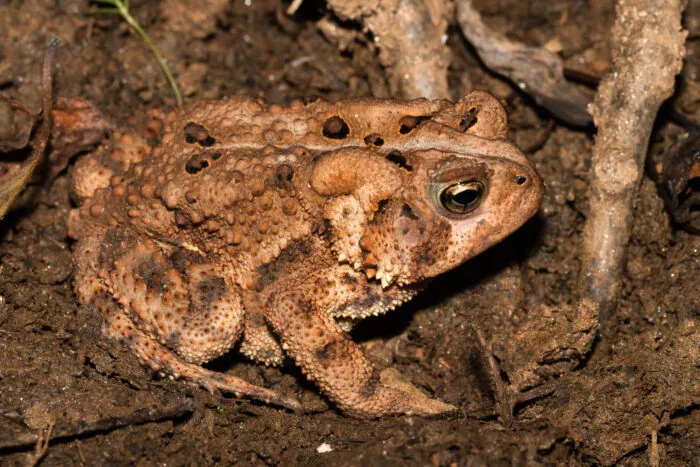
American toads (Anaxyrus americanus) are common amphibians in North America. They are well-known for their distinctive calls and bumpy skin. Many people are curious about their daily habits, especially where they go during the day. Unlike some animals that are active during daylight hours, American toads are mostly nocturnal. This means they spend the day in hidden, safe places to avoid predators and harsh environmental conditions.
Understanding American Toad Behavior
American toads are amphibians, which means they need moist environments to survive. They are primarily active at night when it is cooler and more humid. During the day, they find safe shelters to stay hidden. Understanding their behavior helps us learn where they go during daylight hours.
Nocturnal Lifestyle
Being nocturnal allows American toads to avoid predators such as birds, snakes, and larger mammals. It also prevents them from drying out, as their skin is sensitive to water loss. During the night, they hunt insects and other small invertebrates, which makes daytime hiding necessary.
Daytime Hiding Places
American toads use a variety of hiding places during the day. These shelters help them stay moist, avoid predators, and conserve energy. Common hiding spots include:
Under Leaf Litter
Leaf litter on the forest floor provides excellent camouflage for American toads. The leaves retain moisture and protect the toads from sunlight. Toads often burrow slightly under the leaves to stay cool and hidden.
Burrows and Holes
Some American toads dig shallow burrows or use existing holes in the ground. These burrows offer protection from predators and extreme weather. In sandy or soft soil, burrows can also help the toads maintain the right body temperature.
Logs and Rocks
Logs, rocks, and fallen branches are perfect shelters. Toads can hide underneath them during hot or dry days. These places are also less accessible to predators, making them safer for resting during daylight hours.
Gardens and Yards
In urban or suburban areas, American toads may take shelter in gardens, under mulch, or in damp corners of yards. Mulch, wood piles, and thick vegetation provide moisture and cover, making it easier for toads to survive in human environments.
Environmental Factors Affecting Daytime Hiding
The choice of hiding spot depends on environmental conditions. Temperature, humidity, and the presence of predators all influence where an American toad will rest during the day.
Temperature
Toads prefer cooler environments during the day. On hot days, they retreat to deeper soil, under logs, or dense vegetation. In cooler weather, they may be closer to the surface but still require cover.
Humidity
Moisture is critical for American toads. Their skin loses water easily, so they seek humid microhabitats. Damp soil, leaf litter, or shaded areas near water sources are ideal for daytime hiding.
Predators
Daytime hiding is essential to avoid predators. Birds such as crows, snakes, raccoons, and domestic cats pose threats. Toads use camouflage and secluded spots to reduce the risk of being eaten.
Seasonal Changes in Daytime Behavior
American toad behavior changes with the seasons. During warmer months, they may spend more time in shaded or underground shelters. In cooler months, they enter a state called brumation, which is similar to hibernation. They dig deeper into the soil to avoid freezing temperatures and conserve energy.
Spring and Summer
During these seasons, American toads are more active at night for mating and feeding. During the day, they remain hidden in moist areas, waiting for the cooler evening hours.
Fall and Winter
In fall, toads prepare for brumation by finding secure underground sites. During winter, they remain mostly inactive, buried in soil, leaf litter, or under logs to survive freezing temperatures.
Importance of Daytime Hiding
Daytime hiding is crucial for the survival of American toads. It helps them maintain moisture, avoid predators, regulate temperature, and conserve energy. Without safe daytime shelters, their survival chances decrease significantly.
How Humans Can Help
People can create safe environments for American toads in their yards and gardens. Tips include:
Providing Moisture
Keep mulch, leaf litter, or damp areas in gardens. Water features or shallow ponds can also help maintain humidity for toads.
Offering Shelter
Logs, rocks, or piles of leaves provide excellent hiding places. Avoid disturbing these shelters during the day.
Minimizing Predators
Keeping cats indoors and reducing pesticide use can improve survival rates for American toads. Protecting natural habitats ensures they have safe daytime refuges.
Interesting Facts About American Toads
Learning more about American toads helps us appreciate their daily behavior:
- Camouflage Experts: Their skin color helps them blend into leaf litter and soil.
- Moisture Sensitive: They can absorb water through their skin, which makes hiding in damp areas essential.
- Long Lifespan: In the wild, American toads can live over 10 years if they avoid predators and harsh conditions.
- Nocturnal Hunters: Most feeding occurs at night, which reduces daytime activity.
Conclusion
American toads spend the day in hidden, safe places to protect themselves from predators, conserve moisture, and regulate body temperature. They prefer leaf litter, burrows, logs, rocks, and shaded garden areas. Their daytime hiding behavior is crucial for survival, especially considering their nocturnal lifestyle. By understanding where American toads go during the day, we can better appreciate these amphibians and help protect their natural habitats.