
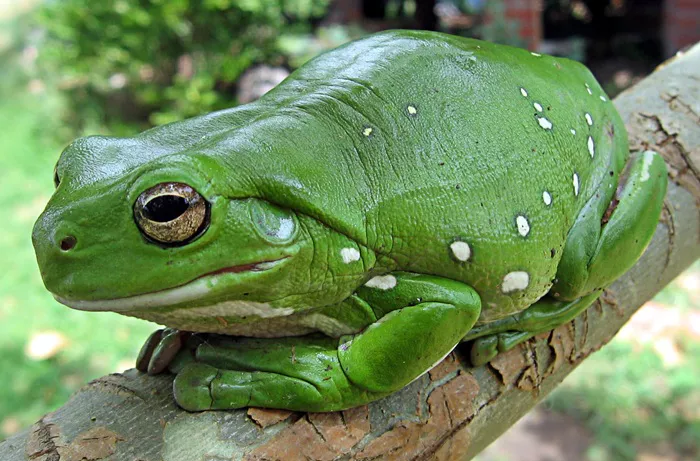
When we think of frogs, one of the first images that come to mind is often that of a green tree frog, sitting on a leaf or hopping along a branch. Green tree frogs are one of the most iconic species in the amphibian world. But have you ever wondered what exactly qualifies them as amphibians? In this article, we will explore the characteristics that make green tree frogs amphibians, how they fit into the larger amphibian group, and why this classification is important for understanding their life cycle and environment.
What Are Amphibians?
To understand whether a green tree frog is an amphibian, we must first define what amphibians are. Amphibians are a group of animals that live both on land and in water during different stages of their life cycle. The word “amphibian” comes from the Greek word “amphibios,” which means “living a double life.” Amphibians typically undergo a life cycle that includes both aquatic and terrestrial stages, which is one of the key characteristics that set them apart from other animal groups.
Types of Amphibians
There are three main types of amphibians:
- Anura: Frogs and toads, which are characterized by their jumping ability and smooth or warty skin.
- Caudata: Salamanders and newts, which have elongated bodies and tails throughout their lives.
- Gymnophiona: Caecilians, which are worm-like amphibians that live mostly underground.
Green tree frogs belong to the Anura group, meaning they are frogs or toads. This makes them amphibians because they exhibit characteristics such as undergoing metamorphosis and living in both aquatic and terrestrial environments at different life stages.
Green Tree Frogs: A Closer Look
Green tree frogs are small, vibrant amphibians that can be found in a variety of habitats, from tropical rainforests to temperate woodlands. They are well known for their bright green color, which helps them blend into the foliage in their natural environment. But how do they fit into the amphibian category?
Habitat and Adaptations
Green tree frogs are primarily found in the eastern United States, with some species extending into parts of Central America. They prefer moist, wooded areas near water sources such as ponds, marshes, and swamps. These frogs are arboreal, meaning they live in trees or shrubs, and they are often seen perched on leaves or branches above the ground. Their vibrant green color serves as camouflage, helping them avoid predators.
Metamorphosis: A Key Amphibian Trait
Like all amphibians, green tree frogs undergo metamorphosis. They start their lives as eggs laid in water, which hatch into tadpoles. Tadpoles are aquatic and have gills for breathing. As they grow, they undergo significant changes, including the development of legs, the absorption of their tail, and the transformation of their gills into lungs. This process of metamorphosis is a clear indication that green tree frogs are indeed amphibians.
Breathing: Through Skin and Lungs
One of the most fascinating characteristics of amphibians is their ability to breathe both through their lungs and skin. Green tree frogs are no exception. While they have lungs for breathing air, they can also absorb oxygen through their skin, which allows them to remain underwater for extended periods. This dual breathing system is a key feature of amphibians and is essential for their survival in both aquatic and terrestrial environments.
Amphibians vs. Reptiles: The Difference
It is important to distinguish between amphibians and reptiles, as they share some similar traits but are fundamentally different. Amphibians, like green tree frogs, spend a portion of their life cycle in water, while reptiles, such as lizards and snakes, are entirely land-dwelling and have scaly skin. Amphibians also tend to have a smooth, moist skin, which is used for respiration, whereas reptiles have dry, scaly skin that prevents moisture loss.
Reproduction Differences
Another key difference is reproduction. Amphibians, including green tree frogs, lay their eggs in water, where the eggs hatch into aquatic larvae. In contrast, reptiles lay their eggs on land, and the young hatch in a more developed state, resembling miniature adults.
Why Classifying Green Tree Frogs as Amphibians Matters
Classifying green tree frogs as amphibians helps scientists and researchers understand their life cycle, behavior, and needs. Amphibians are an essential part of ecosystems, and studying them can provide insights into environmental health, particularly concerning water quality and the impacts of climate change. Additionally, understanding amphibian biology and behavior is crucial for conservation efforts, as many species, including frogs, are facing population declines due to habitat loss, pollution, and disease.
Ecological Importance
Green tree frogs play an important role in their ecosystems. As both predators and prey, they help control insect populations while serving as food for larger animals, such as birds and snakes. Their presence in an ecosystem can indicate the health of the environment, as amphibians are sensitive to changes in water quality and climate conditions.
Conservation Challenges
Like many amphibians, green tree frogs face threats to their populations. Habitat destruction, pollution, and climate change are significant factors contributing to the decline of amphibian species worldwide. Conservation efforts are critical to ensuring the survival of frogs and other amphibians, as they are key indicators of environmental health.
Conclusion
In conclusion, green tree frogs are indeed amphibians. Their life cycle, including their aquatic larval stage, metamorphosis, and dual breathing system, clearly classify them as part of the amphibian group. These small yet fascinating creatures play an important role in their ecosystems, and understanding their biology helps scientists and conservationists protect them. As amphibians, green tree frogs are essential to the biodiversity of our planet, and preserving their habitats is crucial for maintaining ecological balance.