
The American toad is a common species of toad found across North America. These toads are known for their adaptability and their ability to live in various habitats, including gardens, forests, and wetlands. One important aspect of keeping an American toad healthy, especially in captivity, is proper feeding. Mealworms are a popular food choice, but determining the correct number of mealworms to feed requires understanding the toad’s age, size, and activity level.
Understanding the Diet of American Toads
American toads are insectivores. This means that they primarily eat insects, worms, and other small invertebrates. In the wild, they consume a wide range of prey including ants, beetles, spiders, and worms. Mealworms are a convenient and nutritious food that can replicate their natural diet when raised in captivity.
The Nutritional Value of Mealworms
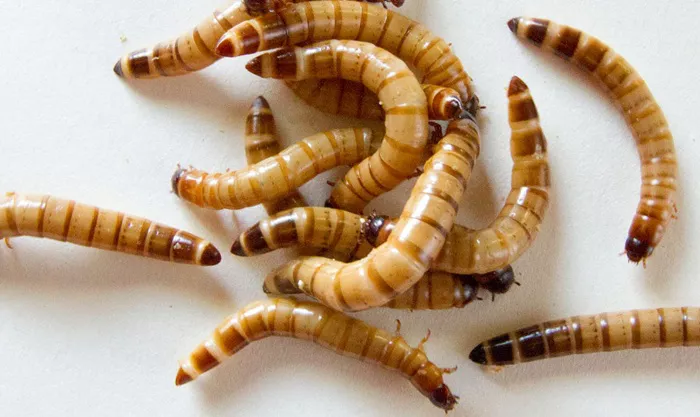
Mealworms are rich in protein and fats. They provide energy and help maintain the health of American toads. However, they are also high in fat compared to some other insects, so overfeeding can lead to obesity and health problems in captive toads.
Factors Influencing How Many Mealworms to Feed
Age and Size of the Toad
Juvenile American toads need more frequent meals but smaller quantities because they are growing rapidly. Adult toads, on the other hand, require fewer meals but larger individual servings. A very small toad may only need 2–3 mealworms at a time, while a large adult may eat 10–15 mealworms per feeding.
Activity Level
Active toads that move frequently and explore their environment require more food to maintain energy. Less active toads may need fewer mealworms. Observing your toad’s behavior will help you adjust portion sizes appropriately.
Health Considerations
Overfeeding mealworms can cause digestive issues and obesity in American toads. It is important to monitor their weight and appearance regularly. A healthy toad will have a smooth, slightly rounded body without visible fat rolls.
Feeding Frequency
American toads do not need to eat every day. Juveniles may be fed daily, while adult toads usually thrive on feeding every other day or even three times a week. It is better to feed moderate amounts regularly than to overfeed in one sitting.
Recommended Number of Mealworms
The exact number of mealworms depends on the factors mentioned above. Here is a general guideline:
Juvenile Toads
Feed 2–5 small mealworms per day. Observe the toad’s appetite and growth. Adjust the quantity if the toad seems hungry or loses weight.
Adult Toads
Feed 5–15 medium to large mealworms per feeding. Feed every 2–3 days. Ensure the toad has enough space to hunt the mealworms naturally, as this stimulates activity and prevents boredom.
Special Considerations
Some toads may refuse certain mealworms. In this case, mix their diet with other insects such as crickets or waxworms. This variation ensures a balanced diet and prevents nutrient deficiencies.
Tips for Feeding Mealworms Safely
Pre-Baiting and Gut-Loading
Gut-loading mealworms means feeding them nutritious foods before offering them to your toad. This increases the nutritional value of the mealworms. Foods like carrots, oats, and leafy greens are suitable for gut-loading.
Avoiding Overfeeding
Monitor your toad’s body condition. A toad should appear plump but not overweight. Remove uneaten mealworms from the enclosure to prevent spoilage and potential health risks.
Handling Mealworms
Always wash your hands before and after handling mealworms. Avoid feeding mealworms that are too large for the toad’s mouth, as this can cause choking or digestive problems.
Observing Feeding Behavior
American toads are sit-and-wait predators. They will strike at mealworms with their sticky tongue. Observing their feeding behavior helps you understand their hunger levels and adjust portions accordingly. A healthy feeding response indicates good appetite and overall health.
Signs of Malnutrition
If your toad is not eating enough or is consistently losing weight, it may be suffering from malnutrition. Signs include lethargy, weight loss, and dull skin color. Adjusting the quantity or variety of mealworms can help restore health.
Conclusion
Feeding American toads mealworms is straightforward if you consider their age, size, and activity level. Juveniles require smaller, more frequent feedings, while adults need larger portions less often. Monitoring health, observing feeding behavior, and varying the diet with other insects ensures your toad remains healthy and active. Remember that quality and moderation are more important than quantity when it comes to feeding mealworms to American toads.