
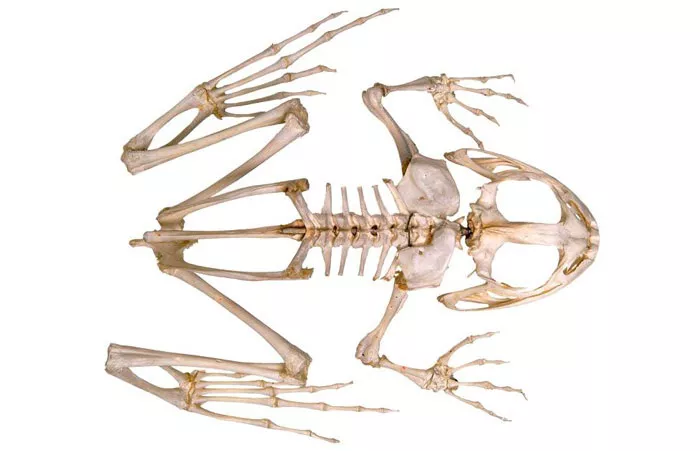
The green tree frog is a fascinating amphibian known for its vibrant color and unique habits. Many people wonder about the anatomy of this species, particularly whether it has a backbone. In this article, we will explore the skeletal structure of green tree frogs, explain their classification, and examine the importance of the backbone in their survival and movement. This article is written in simple language, making it easy to understand for both children and adults.
Understanding Vertebrates
Before discussing green tree frogs specifically, it is important to understand what a backbone is and what vertebrates are. Vertebrates are animals that possess a backbone, also known as a spinal column. This structure provides support, protects the spinal cord, and allows for greater flexibility and movement. Vertebrates include mammals, birds, reptiles, amphibians, and fish.
Green Tree Frogs as Amphibians
The green tree frog belongs to the group of animals called amphibians. Amphibians are cold-blooded vertebrates that live both in water and on land at different stages of their life. Green tree frogs start their lives as tadpoles in water, which later undergo metamorphosis to become adult frogs capable of living on land.
Classification of Green Tree Frogs
Green tree frogs belong to the family Hylidae and the genus Hyla. They are part of the vertebrate class Amphibia, which means that, like other amphibians, they possess a backbone. This is an essential trait for their movement, hunting, and overall survival.
The Backbone of a Green Tree Frog
Yes, green tree frogs have a backbone. Their backbone is composed of a series of small bones called vertebrae. These vertebrae are connected to form a flexible spine. The backbone supports the frog’s body, allows it to jump, climb, and move efficiently, and protects the delicate spinal cord that runs through it.
Structure of the Frog Spine
The spine of a green tree frog is divided into several sections, similar to other vertebrates:
- Cervical vertebrae: These bones are in the neck region and allow the frog to move its head.
- Trunk vertebrae: Located in the main body, providing structure and protection for internal organs.
- Sacral vertebrae: Connect the backbone to the pelvic bones, aiding in jumping.
- Caudal vertebrae: Form the tail area during the tadpole stage and regress as the frog matures.
Importance of the Backbone in Movement
The backbone is crucial for the green tree frog’s ability to jump, swim, and climb. Its flexible spine allows it to absorb the impact when landing from high jumps. Additionally, the backbone provides attachment points for muscles, which are essential for powerful leaps and climbing vegetation in its habitat.
Comparison With Invertebrates
Animals without a backbone are called invertebrates. Unlike green tree frogs, invertebrates such as insects, worms, and mollusks lack a spinal column. Without a backbone, invertebrates have a different structural system to support movement, often relying on exoskeletons or hydrostatic pressure. Understanding this difference highlights the significance of a backbone in vertebrate species like green tree frogs.
Backbone and Tadpole Development
The backbone of a green tree frog begins forming while it is still a tadpole. Tadpoles have a notochord, a flexible rod-like structure that provides initial support. As the tadpole develops into an adult, the notochord is gradually replaced by a fully formed vertebral column. This transformation allows the frog to transition from a primarily aquatic lifestyle to a semi-terrestrial one.
Metamorphosis and Skeletal Changes
During metamorphosis, green tree frogs undergo significant skeletal changes. The development of the backbone is central to these changes. Their limbs lengthen, muscles strengthen, and vertebrae become more robust, enabling the frog to climb trees and leap efficiently.
Backbone and Survival
The backbone also plays a role in the survival of green tree frogs. It provides structural integrity, supports organs, and enables complex movements necessary for escaping predators. Frogs rely on their spine to quickly leap away from threats, hide in foliage, or cling to branches. Without a backbone, these vital behaviors would be impossible.
Adaptations for Tree Life
Green tree frogs are arboreal, meaning they live in trees. Their backbone, combined with long, strong limbs, allows them to navigate vertical environments safely. Specialized vertebrae and strong muscles work together to maintain balance and flexibility in their leafy habitats.
Common Misconceptions
Some people mistakenly believe that small animals like frogs might not have backbones due to their size or soft appearance. In reality, every adult green tree frog possesses a fully developed vertebral column. The backbone is small but highly functional, tailored to the frog’s unique lifestyle.
Scientific Evidence
Studies of frog anatomy confirm the presence of a backbone in green tree frogs. Anatomical research, including dissections and imaging, shows a complete vertebral column from the cervical region to the sacral region. The spinal cord is protected within this structure, ensuring proper nerve function and coordinated movement.
Interesting Facts About Frog Backbones
- The green tree frog can jump over 20 times its body length thanks to a strong backbone.
- Frogs have fewer vertebrae than mammals, but each vertebra is highly specialized for jumping and climbing.
- The backbone is flexible enough to twist and bend while maintaining stability.
- During hibernation, the backbone continues to support the body even when muscles relax.
Backbone Health and Threats
Like other vertebrates, green tree frogs can suffer from spinal injuries or deformities. Environmental threats such as pollution, habitat destruction, and disease can indirectly affect the spine by weakening the overall health of the frog. Healthy vertebrae are essential for mobility and survival.
Conservation Importance
Protecting green tree frogs and their habitats ensures the preservation of their natural skeletal structures. Conservation efforts help maintain populations of healthy frogs with fully functional backbones, which are vital for ecological balance.
Conclusion
In summary, green tree frogs are vertebrates and possess a well-developed backbone. Their spine is central to their movement, survival, and adaptation to tree-dwelling life. From the tadpole stage to adulthood, the backbone develops and strengthens, enabling these amphibians to jump, climb, and navigate their environment effectively. Understanding the green tree frog’s backbone not only highlights the marvel of amphibian anatomy but also underscores the importance of protecting these creatures and their habitats.