
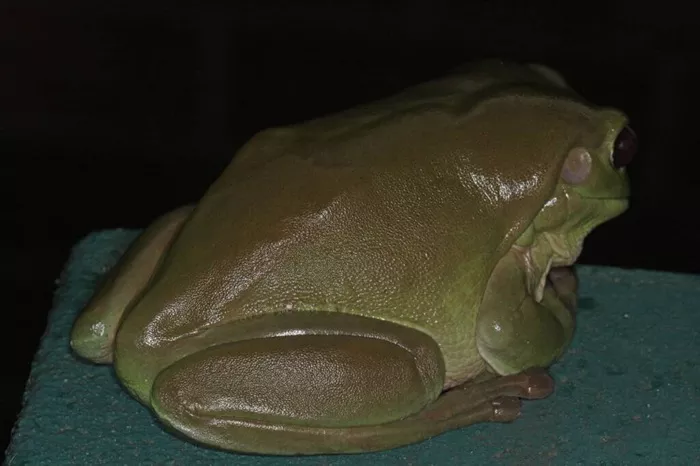
The green tree frog is a fascinating amphibian that captures the attention of wildlife enthusiasts, pet owners, and researchers alike. Known for its vibrant green color and distinctive croak, the green tree frog has become a symbol of healthy ecosystems and is a popular subject for study in herpetology. One common question that arises is, how big do green tree frogs actually get? This article will explore the typical size of green tree frogs, factors affecting their growth, and how their size relates to their behavior and habitat.
Understanding Green Tree Frogs
Green tree frogs belong to the family Hylidae and are often found in the United States, Australia, and other regions depending on the species. These frogs are small to medium-sized amphibians that spend a significant part of their life in trees or shrubs, which is why they are called tree frogs.
Physical Characteristics
Green tree frogs are recognized for their smooth, moist skin, bright green coloration, and large, round eyes. They have long toes with adhesive pads, which allow them to climb vertical surfaces with ease. While green is the dominant color, variations of yellow and blue may appear on their bodies, especially during mating season or in certain environmental conditions.
Common Species of Green Tree Frogs
Several species fall under the umbrella of green tree frogs. The most well-known include the American green tree frog (Hyla cinerea) and the Australian green tree frog (Litoria caerulea). Although they share common features, their sizes can differ depending on their species and environmental conditions.
Typical Size of Green Tree Frogs
Green tree frogs vary in size depending on their age, sex, and species. Understanding their typical size can help pet owners, researchers, and enthusiasts gauge the health and growth of these amphibians.
Average Adult Size
The adult size of green tree frogs differs between species:
- American green tree frog: Typically ranges from 1.25 to 2.25 inches (3.2–5.7 cm) in length.
- Australian green tree frog: Considerably larger, often reaching 3 to 4.5 inches (7.6–11.4 cm) in length, with some individuals exceeding 5 inches (12.7 cm).
These measurements are taken from snout to vent, as the tail is absent in adult frogs. Size can also vary based on environmental factors, nutrition, and genetics.
Size Differences Between Males and Females
Sexual dimorphism is common among green tree frogs. Females generally grow larger than males, allowing them to carry more eggs during breeding season. For example, female Australian green tree frogs can be up to 20% larger than males. Males, although smaller, often have larger vocal sacs used for calling during mating season.
Factors Affecting the Growth of Green Tree Frogs
The final size of a green tree frog is influenced by multiple factors, including habitat, diet, climate, and health.
Habitat
Green tree frogs thrive in moist environments such as swamps, ponds, and rainforests. Frogs in optimal habitats with plenty of food, clean water, and shelter tend to grow larger and healthier. In contrast, frogs in dry or polluted areas may remain smaller due to stress and limited resources.
Diet and Nutrition
Green tree frogs are carnivorous and mainly feed on insects such as flies, crickets, and moths. In captivity, they may be fed commercially available insects. Proper nutrition is essential for growth. Frogs with a nutrient-rich diet will reach their maximum potential size, while malnourished individuals may remain stunted.
Climate and Temperature
Temperature plays a critical role in amphibian growth. Green tree frogs are ectothermic, meaning their body temperature depends on the environment. Warm climates generally promote faster growth and larger size, while colder climates may slow development.
Genetics and Species Variation
Genetic factors determine the maximum potential size for any green tree frog. While environmental factors influence growth, inherent genetic traits set the boundaries. This is why even under optimal conditions, some species like the American green tree frog remain smaller than the Australian species.
Growth Stages of Green Tree Frogs
Green tree frogs grow from eggs to tadpoles and finally into adult frogs. Their size changes dramatically throughout these stages.
Egg Stage
Green tree frog eggs are tiny, measuring only a few millimeters in diameter. They are laid in clusters in water or moist areas. At this stage, the size is minuscule, and survival depends heavily on water quality and protection from predators.
Tadpole Stage
Tadpoles hatch from eggs and live in water for several weeks. Initially very small, tadpoles grow rapidly as they feed on algae and plant matter. Depending on the species, tadpoles can reach several centimeters before metamorphosis. The length of the tail accounts for most of their size at this stage.
Metamorphosis
During metamorphosis, tadpoles develop legs, absorb their tails, and transform into juvenile frogs. Their body size increases, but they remain smaller than adults. This stage is crucial as the frog adapts from an aquatic to a semi-aquatic or arboreal lifestyle.
Adult Stage
Adult green tree frogs reach their full size within a year or two, depending on the species and environmental conditions. Adults exhibit the distinctive bright green color and climbing abilities that make them unique among amphibians.
Size and Behavior Relationship
The size of a green tree frog is closely linked to its behavior and survival strategies.
Climbing and Camouflage
Smaller frogs are more agile climbers, allowing them to escape predators. Their green color provides camouflage among leaves and trees. Larger frogs, while less agile, can produce louder calls to attract mates and establish territory.
Predation and Defense
Size can affect vulnerability to predators. Juvenile frogs are more prone to predation, whereas larger adults may use size and vocalization to deter threats. Some larger species, like the Australian green tree frog, are robust enough to survive encounters with small snakes and birds.
Green Tree Frogs in Captivity
Green tree frogs are popular pets due to their size, appearance, and relatively simple care requirements.
Tank Size Recommendations
The size of the frog influences the size of the enclosure. Small species like the American green tree frog require smaller tanks, while larger Australian species need more vertical and horizontal space for climbing and exploration.
Feeding Considerations
Larger frogs eat more and require a consistent supply of insects. Overfeeding or underfeeding can affect growth and health. Proper care ensures frogs reach their natural size potential.
Measuring a Green Tree Frog
Measuring a green tree frog correctly ensures accurate understanding of its growth.
Snout-to-Vent Measurement
The standard method is the snout-to-vent length (SVL). This measures from the tip of the snout to the opening of the cloaca, excluding the tail, which frogs lack in adulthood. SVL is the most reliable way to compare sizes across individuals and species.
Weight Considerations
Weight varies along with size but can fluctuate depending on hydration and food intake. Healthy adult green tree frogs may weigh anywhere from a few grams in smaller species to over 50 grams in larger species.
Interesting Facts About Green Tree Frog Size
Understanding size provides insights into the life of green tree frogs beyond mere measurements.
- Australian green tree frogs are among the largest tree frogs in the world.
- Size influences mating calls, with larger males producing deeper, louder croaks.
- Green tree frogs continue to grow slowly even after reaching adulthood, although the growth rate diminishes significantly.
- Size is an indicator of health, and unusually small individuals may indicate malnutrition or disease.
Conclusion
Green tree frogs are remarkable amphibians whose size varies widely depending on species, genetics, environment, and diet. While American green tree frogs remain small and agile, Australian green tree frogs grow significantly larger and exhibit unique behaviors associated with their size. Understanding the size of green tree frogs helps enthusiasts, researchers, and pet owners care for them properly and appreciate their role in ecosystems. Observing these frogs in their natural habitats or in captivity highlights the incredible adaptability and diversity of this iconic amphibian.