
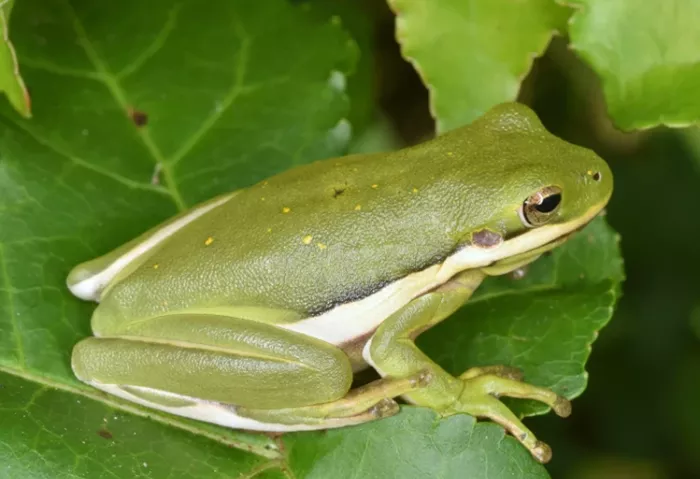
The American green tree frog is one of the most recognizable amphibians in the United States. Known for its vibrant green color and charming croak, it attracts the attention of both researchers and nature enthusiasts. Understanding the distinct characteristics of this species helps in identifying it in the wild. In this article, we explore the unique traits, habitat, behavior, and life cycle of the American green tree frog.
General Description of the American Green Tree Frog
The American green tree frog, scientifically known as Hyla cinerea, belongs to the Hylidae family. It is a small to medium-sized frog, typically ranging from 1.25 to 2.5 inches in length. The frog’s body is smooth, and its skin has a bright green coloration that allows it to blend into leafy environments. This color can change slightly depending on temperature, humidity, and the frog’s mood. Its underbelly is usually white or pale yellow.
Distinctive Physical Traits
Bright Green Skin
The most noticeable feature of the American green tree frog is its bright green skin. This vibrant color helps the frog hide among leaves and grass. The green color is not uniform; it may have small yellowish or white spots. This camouflage is an essential survival trait, protecting it from predators.
White or Yellow Lateral Stripe
Another distinctive characteristic is the white or yellow stripe that runs along the sides of the frog from the upper lip to the groin area. This stripe is a key identification marker for the species. The stripe is often clear and contrasts sharply with the green skin, making it easier to distinguish the American green tree frog from other tree frogs.
Sticky Toe Pads
The American green tree frog has specialized toe pads that allow it to climb vertical surfaces. These toe pads are large, round, and sticky due to a layer of mucus. This adaptation is vital for living in trees, shrubs, and even human-made structures. It enables the frog to grip leaves and branches securely.
Relatively Small Size
Compared to some other frogs, the American green tree frog is relatively small. Adults usually do not exceed 2.5 inches. This small size contributes to its agility, allowing it to move quickly among foliage and escape predators.
Vocal Sac for Calling
Male green tree frogs possess a vocal sac under the throat that inflates when calling. This is a key characteristic used during mating season to attract females. The croak of the male is loud and recognizable, often heard near ponds, marshes, and wet areas during spring and summer.
Behavioral Characteristics
Nocturnal Activity
American green tree frogs are primarily nocturnal. They are most active at night, hunting for insects and avoiding predators. During the day, they often hide in vegetation, remaining still to avoid detection.
Diet and Hunting Habits
Their diet mainly consists of insects such as flies, crickets, and moths. They are opportunistic feeders, using their long, sticky tongues to capture prey quickly. This hunting strategy is a characteristic feature of the species.
Territorial Calls
Male frogs are territorial and use their calls to establish dominance. The call is a loud, repetitive “quank” sound that can be heard over long distances. This behavior helps maintain territories and attract mates.
Habitat Preferences
Preference for Wet Environments
American green tree frogs are commonly found near ponds, lakes, swamps, and marshes. They prefer areas with dense vegetation, which provides both food and protection. Their ability to climb allows them to use trees and shrubs effectively within these habitats.
Adaptation to Human Environments
These frogs can adapt to human-altered environments such as gardens, parks, and residential areas with water features. Their climbing ability and small size make it easy for them to navigate these spaces while avoiding predators.
Life Cycle and Reproduction
Egg Laying and Tadpoles
American green tree frogs lay eggs in water, usually attached to vegetation. The eggs hatch into tadpoles, which are aquatic and have long tails for swimming. Tadpoles feed on algae and small aquatic plants until they are ready to undergo metamorphosis.
Metamorphosis into Adult Frogs
After several weeks, tadpoles develop legs and lose their tails, transforming into juvenile frogs. This stage allows them to leave the water and begin life on land. The transformation from tadpole to adult is a critical characteristic of amphibians and a defining moment in the species’ life cycle.
Breeding Season
Breeding occurs mainly in spring and summer when temperatures are warmer. Males call to attract females, and multiple frogs may gather in the same water body. Fertilization is external, and females lay hundreds of eggs per season.
Unique Adaptations for Survival
Camouflage and Color Change
The ability to change shades of green slightly allows the American green tree frog to remain hidden from predators. It can darken its skin in low light or when stressed, blending with shadows and foliage.
Sticky Feet for Climbing
The adhesive pads on their toes are an extraordinary adaptation. It allows them to climb smooth and vertical surfaces easily. This adaptation is not only essential for hunting but also for escaping predators.
Resilient Skin
The frog’s skin plays a vital role in respiration and moisture retention. It can absorb water directly from the environment, which is critical for survival in dry conditions. The skin is also sensitive to chemicals and pollutants, making the species an important ecological indicator.
Distinguishing from Other Tree Frogs
Comparison with Other Hyla Species
While many tree frogs are green, the white lateral stripe of the American green tree frog is a distinguishing feature. Other similar species may lack this stripe or have different color patterns. Additionally, the size and vocalization patterns help differentiate it from related species.
Behavioral Differences
Compared to other tree frogs, the American green tree frog is more tolerant of human presence and can adapt to slightly disturbed environments. Its active nocturnal behavior and characteristic call are also key identifiers.
Ecological Role
Insect Control
American green tree frogs help control insect populations. Their diet includes mosquitoes, flies, and other pests. This makes them an important part of the ecosystem, contributing to natural pest management.
Prey for Predators
These frogs are also a food source for birds, snakes, and larger mammals. Their presence in the food chain helps maintain ecological balance in wetland and forest ecosystems.
Indicator Species
Because their skin is sensitive to environmental changes, American green tree frogs serve as bioindicators. A decline in their population can signal pollution or habitat degradation, alerting scientists to environmental issues.
Conservation Status
Population Trends
The American green tree frog is currently not considered endangered. Populations remain stable in many regions, but habitat destruction and pollution pose potential threats.
Conservation Efforts
Efforts to preserve wetlands and limit pesticide use help maintain healthy populations. Protecting natural habitats ensures these frogs continue to thrive and perform their ecological roles.
Interesting Facts About the American Green Tree Frog
- It can live up to 7 years in the wild under ideal conditions.
- Its skin secretes mild toxins that deter some predators.
- It is often featured in gardens and nature documentaries due to its vibrant color and melodic call.
- They can change skin texture slightly to better grip surfaces.
- Green tree frogs can leap several times their body length, aiding in hunting and predator avoidance.
Conclusion
The American green tree frog is a fascinating amphibian with several distinct characteristics. Its bright green skin, white lateral stripe, sticky toe pads, and vocal abilities make it easily recognizable. Beyond its physical traits, its behaviors, adaptations, and ecological roles contribute to its importance in natural ecosystems. Understanding these characteristics allows scientists, educators, and nature enthusiasts to appreciate this species and recognize its value in the environment.