
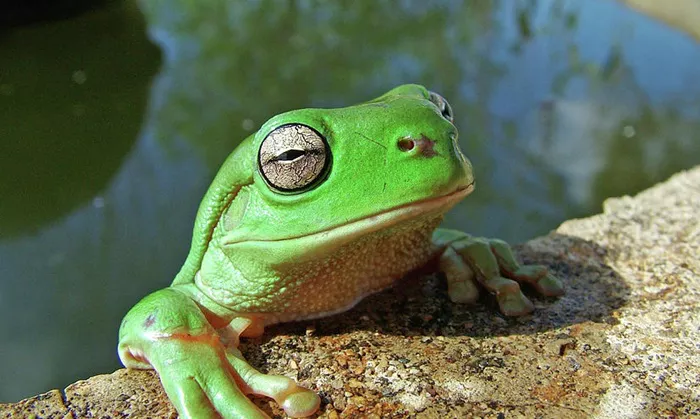
The Australian green tree frog, known scientifically as Litoria caerulea, is one of the most well-known and beloved frogs in Australia. This frog is recognized for its vibrant green color, smooth skin, and friendly appearance. Many people keep it as a pet because of its calm nature. However, understanding where this frog lives in the wild helps us appreciate its natural behavior, survival strategies, and the ecosystems it inhabits. In this article, we will explore the natural habitats, geographic distribution, and environmental preferences of the Australian green tree frog.
Geographic Distribution of the Australian Green Tree Frog
The Australian green tree frog is native to Australia and New Guinea. In Australia, it is most commonly found in the northern and eastern regions. These include the states of Queensland, New South Wales, and the Northern Territory. Some populations also exist in parts of Western Australia. In New Guinea, it inhabits both lowland and highland areas, adapting well to tropical climates.
Preferred Climate and Environmental Conditions
The Australian green tree frog prefers warm and humid environments. It thrives in areas with temperatures ranging from 18°C to 30°C. High humidity is essential because the frog’s skin requires moisture to remain healthy. Dry environments can be harmful to its survival. Seasonal rains are also important as they create temporary ponds and water bodies, which are vital for breeding.
Habitat Types
Australian green tree frogs are highly adaptable and can live in a variety of habitats. These include:
Forests
They are often found in rainforests and wet sclerophyll forests. The dense vegetation provides shelter from predators and extreme weather. Trees and shrubs also offer ideal spots for resting and hunting insects.
Swamps and Wetlands
Wetlands, marshes, and swamps provide ideal environments for these frogs. These areas are rich in food sources, such as insects, spiders, and small invertebrates. The water bodies are crucial for reproduction, as frogs lay their eggs in water.
Urban Areas
Australian green tree frogs are surprisingly common in urban environments. They can be found in gardens, ponds, and even inside houses. Many people are familiar with these frogs living near rainwater tanks, sinks, and roof spaces. Urban areas provide abundant food sources, but these habitats can also expose frogs to risks such as pollution and predation by cats.
Microhabitats Used by the Green Tree Frog
Within their larger habitats, green tree frogs select specific microhabitats for safety and survival:
Tree Canopies and Foliage
Being arboreal, these frogs spend much of their time in trees. They rest on branches, leaves, and in tree hollows during the day. This keeps them hidden from predators and reduces water loss.
Ground Level Hiding Spots
At night or during wet conditions, green tree frogs may descend to the ground to hunt for insects. They hide under rocks, fallen logs, or leaf litter. This flexibility in using both arboreal and terrestrial spaces increases their chances of survival.
Water Bodies and Breeding Sites
Breeding occurs in water. Frogs lay their eggs in ponds, dams, or temporary pools. Tadpoles develop in these water bodies until metamorphosis. The proximity to water is essential for the species’ reproductive success.
Adaptations for Habitat Survival
The Australian green tree frog has several adaptations that allow it to live in different environments. Its sticky pads on the toes help it climb trees and cling to smooth surfaces. Its green coloration provides camouflage in foliage. The frog’s skin can absorb moisture from the environment, which helps it survive in both wet and semi-dry conditions. These adaptations make the green tree frog a versatile species capable of living in diverse habitats.
Interaction with Other Species
In its habitat, the green tree frog interacts with many other species. It serves as both predator and prey. It feeds on insects, spiders, and small invertebrates, helping control pest populations. Predators include snakes, birds, and larger mammals. In urban areas, domestic pets like cats and dogs can also pose a threat. Despite these risks, green tree frogs are resilient and often coexist with other species successfully.
Seasonal Movements and Habitat Use
The use of habitat by the green tree frog changes with the seasons. During wet seasons, frogs are more active and spread out to breed in temporary water bodies. In dry seasons, they may retreat to sheltered areas like tree hollows, under bark, or inside human structures to avoid dehydration. Seasonal movements are closely linked to rainfall and humidity, which dictate their breeding and feeding behavior.
Threats to the Natural Habitat
Human activities have affected the natural habitats of the Australian green tree frog. Urban development, agriculture, and deforestation have reduced the availability of forests and wetlands. Pollution in water bodies can affect breeding success. Climate change, with altered rainfall patterns and rising temperatures, also threatens their habitats. Conservation of wetlands and forested areas is essential to ensure the survival of this species.
Conservation Efforts and Protection
Although the Australian green tree frog is currently not considered endangered, protecting its habitats remains important. Conservation efforts include preserving wetlands, controlling pollution, and educating the public about the importance of frogs in ecosystems. Some communities encourage the creation of frog-friendly gardens with water features and native plants to support local frog populations.
Interesting Facts About Their Habitat Preferences
- Green tree frogs are nocturnal and usually more active at night, which affects where they are found.
- They are excellent climbers and can inhabit both low and high trees.
- Temporary water bodies created by rainfall are critical for their reproduction.
- Urban areas can support large populations if suitable hiding spots and water sources are available.
- They can survive in both tropical and subtropical climates due to their adaptable skin and behavior.
Conclusion
The Australian green tree frog is a versatile and resilient species. It can live in a wide range of habitats, from forests and wetlands to urban areas. Its ability to adapt to different environments is supported by unique physical and behavioral traits. Protecting its habitats ensures that this iconic frog continues to thrive in Australia and New Guinea. By understanding where it lives and what it needs, we can better appreciate the role it plays in the ecosystem and support conservation efforts for the future.