
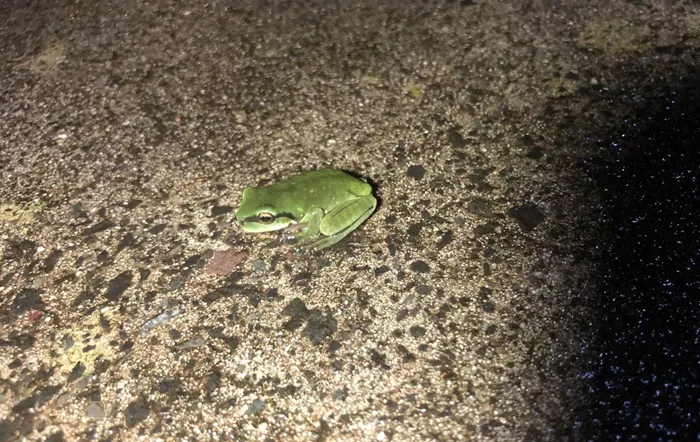
The green tree frog is one of the most recognized amphibians in the world. Its bright green color, smooth skin, and calm behavior make it popular in the wild and in captivity. Many people see this frog in gardens, wetlands, forests, and even near homes. Because amphibians around the world are facing serious threats, people often ask an important question: is the green tree frog endangered?
To answer this question clearly, we must look at scientific classifications, habitat conditions, environmental threats, and conservation efforts. We must also understand that the name “green tree frog” refers to more than one species. In different regions, different frogs share this common name. The conservation status can vary slightly between species, but most are not currently classified as endangered.
This article will examine the issue in detail. It will explain the conservation status of major green tree frog species, the threats they face, and what the future may hold for them. The goal is to provide clear, accurate, and well-structured information for readers who want a reliable answer.
Understanding What “Endangered” Means
Before discussing the green tree frog specifically, it is important to understand what the term “endangered” means. A species is considered endangered when it faces a very high risk of extinction in the wild. This classification is usually based on scientific evaluation by conservation authorities.
The most widely used global system is developed by the International Union for Conservation of Nature. Species are placed into categories such as Least Concern, Near Threatened, Vulnerable, Endangered, and Critically Endangered. These categories are based on population size, rate of decline, geographic range, and other biological factors.
When a species is listed as Least Concern, it means that it is currently widespread and abundant. When it is listed as Endangered, it means the species is facing serious risk and needs urgent protection.
Which Frog Is Called the Green Tree Frog
The name “green tree frog” commonly refers to different species depending on the region. Two of the most well-known species are:
American Green Tree Frog
The American green tree frog is scientifically known as Hyla cinerea. It is native to the southeastern United States. It is commonly found in states such as Florida, Georgia, Alabama, and Louisiana.
Australian Green Tree Frog
The Australian green tree frog is scientifically known as Litoria caerulea. It is native to Australia and parts of New Guinea. It is also called the White’s tree frog.
Both of these frogs are widely recognized and frequently studied. When people ask if the green tree frog is endangered, they are usually referring to one of these two species.
Conservation Status of the American Green Tree Frog
The American green tree frog is currently classified as Least Concern. This means it is not endangered. Its population remains stable across most of its natural range.
This species is adaptable. It lives in swamps, marshes, ponds, lakes, and even suburban gardens. It can tolerate moderate human disturbance. Because of this adaptability, it has maintained healthy population levels.
However, stable does not mean completely safe. Habitat loss, pollution, and climate change can still affect local populations. In some areas, numbers may decline temporarily due to environmental pressures.
Conservation Status of the Australian Green Tree Frog
The Australian green tree frog is also currently listed as Least Concern. It has a wide distribution in northern and eastern Australia.
This species is also adaptable. It often lives near human settlements. It can be found in gardens, bathrooms, and water tanks. Its tolerance of human environments has helped it maintain stable numbers.
Even so, this species faces certain threats, especially from disease and habitat modification. Local populations may decline in specific regions, but the overall species is not endangered at the global level.
Main Threats Facing Green Tree Frogs
Habitat Loss
Habitat destruction is one of the most serious threats to amphibians worldwide. Wetlands are often drained for agriculture, housing, or industry. When breeding ponds disappear, frogs lose essential reproduction sites.
Urban expansion reduces tree cover and natural water systems. Although green tree frogs are adaptable, they still depend on water bodies for breeding.
Pollution
Amphibians have permeable skin. This means they absorb substances directly from their environment. Pesticides, fertilizers, and industrial chemicals can harm frogs even at low concentrations.
Pollution can reduce reproductive success, weaken immune systems, and increase mortality rates.
Climate Change
Climate change affects rainfall patterns and temperature. Frogs depend on seasonal rainfall for breeding. If rains arrive too early, too late, or not at all, reproduction can fail.
Extreme heat can also increase dehydration risk. Changes in climate may shift habitat ranges over time.
Disease
One of the most serious threats to amphibians globally is chytridiomycosis. This fungal disease has caused massive declines in many frog species. While green tree frogs are not among the most severely affected species, disease remains a concern.
Invasive Species
In some regions, invasive predators such as snakes, fish, or cane toads compete with or prey upon native frogs. These interactions can reduce local populations.
Population Trends and Monitoring
Population monitoring helps scientists detect early signs of decline. Surveys are conducted during breeding seasons. Scientists count calling males, egg masses, and tadpoles.
So far, long-term monitoring shows that green tree frog populations remain stable in most areas. However, some local declines have been recorded in heavily urbanized regions.
The Role of Adaptability
One reason green tree frogs are not endangered is their adaptability. They can climb vertical surfaces using adhesive toe pads. They can live in both natural and modified environments.
They breed in temporary ponds as well as permanent water bodies. They can survive in suburban gardens if water is available. This flexibility increases their resilience.
Captive Breeding and Pet Trade
Green tree frogs are popular in the pet trade. Captive breeding programs reduce pressure on wild populations. Responsible breeding practices help maintain genetic diversity.
However, illegal collection from the wild can still occur in some areas. Regulations exist in many countries to control trade.
Legal Protection
In many regions, green tree frogs are protected under wildlife laws. Habitat protection policies also indirectly benefit them.
Wetland conservation projects play a major role in amphibian survival. Protecting ecosystems protects multiple species at once.
Local Declines Versus Global Status
It is important to distinguish between global status and local decline. A species can be globally stable but locally threatened.
For example, a city expanding into wetland areas may cause a sharp local population drop. However, if the species remains abundant across its broader range, it will not be classified as endangered globally.
Comparison With Truly Endangered Frogs
To better understand the situation, it helps to compare green tree frogs with truly endangered amphibians. Some frog species have extremely limited geographic ranges. Others have suffered population crashes due to disease.
Unlike those species, green tree frogs have wide distributions and stable reproduction rates. This difference explains why they are not currently endangered.
Future Risks
Although green tree frogs are not endangered now, future risks cannot be ignored. Continued habitat destruction, water pollution, and climate change may increase pressure over time.
Early conservation efforts are more effective than emergency action after a population crash. Maintaining healthy ecosystems is the best long-term strategy.
How Individuals Can Help
People can support green tree frog populations by protecting local wetlands, reducing pesticide use, and maintaining garden ponds.
Citizen science programs also help track frog populations. Recording frog calls and sightings contributes valuable data to conservation research.
Conclusion
The green tree frog is not currently classified as endangered. Both the American green tree frog and the Australian green tree frog are listed as Least Concern due to their wide distribution and stable populations. However, they still face environmental threats such as habitat loss, pollution, climate change, and disease.
While there is no immediate global extinction risk, continued conservation awareness is essential. Protecting wetlands, reducing pollution, and supporting scientific monitoring will ensure that green tree frogs remain common and healthy in the wild for generations to come.