
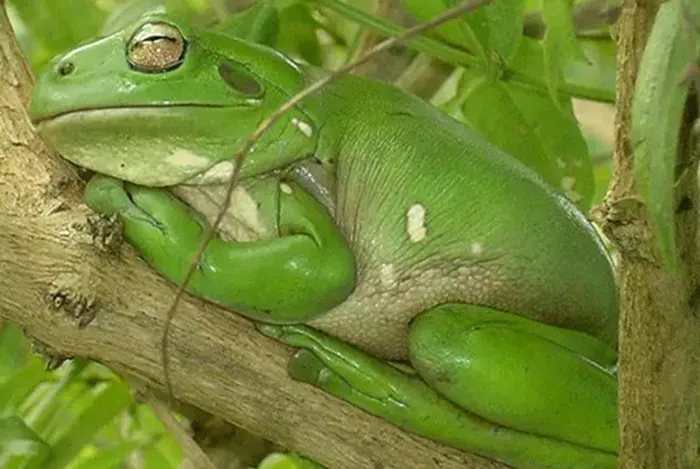
Green tree frogs are among the most fascinating amphibians. These small, vibrant creatures are known for their ability to thrive in various habitats. In this article, we will explore where green tree frogs live, their preferred environments, and how they adapt to their surroundings. By the end of this article, you will have a comprehensive understanding of the habitat of green tree frogs, their behavior, and the ecosystems they inhabit.
Habitat Overview
Green tree frogs are native to many regions around the world, particularly in warmer climates. They are found in places with abundant water and vegetation, which are essential for their survival. The environments they inhabit offer them the moisture, food, and shelter they need. Understanding these environments is key to knowing where green tree frogs live.
Warm Climates
Green tree frogs typically reside in areas with warm weather. They thrive in regions that have mild to hot temperatures, which help them maintain the necessary moisture for their skin. The warmer the climate, the more likely it is that a green tree frog will be found there.
Moist Environments
Moisture is crucial for green tree frogs. They need access to water for hydration and reproduction. Frogs live in places such as marshes, ponds, and lakes, where they can find standing or slow-moving water. They also live in humid environments like rainforests.
Geographic Locations
Green tree frogs are found in a variety of locations across the globe. They are not restricted to one specific region, which makes them incredibly adaptable. Let’s dive deeper into the countries and areas where you are most likely to find them.
North America
In North America, green tree frogs are common in the southeastern United States. They are found in states such as Florida, Louisiana, and Texas. These areas offer the perfect blend of humidity and warmth for frogs to live comfortably. The dense vegetation and swampy areas provide them with plenty of places to hide and thrive.
Australia
Green tree frogs are also native to Australia, particularly in the northern and eastern parts of the country. They thrive in tropical rainforests and coastal regions, where there is plenty of moisture and warm temperatures. The lush vegetation in these areas offers shelter and a suitable environment for frogs to reproduce.
South America
In South America, green tree frogs can be found in the Amazon Rainforest. This vast and humid forest provides the perfect conditions for frogs to live in. The abundance of water sources and dense foliage makes it an ideal habitat for these amphibians.
Asia
Some species of green tree frogs are found in parts of Asia, particularly in Southeast Asia. Countries like Thailand, Vietnam, and Indonesia offer humid environments that support the life cycle of these frogs. The tropical climate and lush ecosystems provide the perfect conditions for them to thrive.
Green Tree Frogs’ Preferred Environments
Now that we know where green tree frogs are found, let’s look at the specific environments that they prefer to live in. These environments are crucial for the survival of green tree frogs and help us understand their ecological needs.
Rainforests
Rainforests are one of the most common environments where green tree frogs live. The dense canopy, high humidity, and abundance of food make it an ideal place for frogs to live. In rainforests, frogs are often found in trees or shrubs, where they can find shelter from predators and lay their eggs in the nearby water.
Swamps and Marshes
Swamps and marshes are another habitat that green tree frogs favor. These wetlands provide abundant water and food sources, including insects, which are the primary diet for frogs. The shallow waters of swamps offer an excellent place for frogs to breed and develop their tadpoles.
Woodlands and Wetlands
Green tree frogs are also found in woodlands and wetlands. These environments offer the moisture and vegetation that frogs require. In wooded areas, frogs often live near ponds or streams where they can find food and shelter.
Behavioral Adaptations to Their Environment
Green tree frogs are highly adaptable creatures. They can adjust to different environments and thrive in a variety of habitats. Their behavior and physical adaptations allow them to survive in different conditions.
Climbing and Hiding
One of the most notable adaptations of green tree frogs is their ability to climb. Their sticky pads on their feet allow them to cling to tree branches, leaves, and other surfaces. This ability is crucial for escaping predators and finding food. They often hide in the leaves or on tree trunks, where they can rest during the day and come out at night to hunt.
Breathing and Hydration
Green tree frogs are also able to absorb moisture through their skin. This adaptation is essential for living in humid environments. They can hydrate by simply absorbing water from the air or from nearby water sources. They also have the ability to breathe through their skin, which is another key factor in surviving in moist areas.
Reproduction in Water
Green tree frogs reproduce in water. Females lay their eggs in stagnant or slow-moving water, where the eggs hatch into tadpoles. These tadpoles go through metamorphosis, transforming into adult frogs. This water-based reproduction system is vital to their lifecycle and survival.
Conclusion
In conclusion, green tree frogs are fascinating creatures that live in a variety of environments. From the warm climates of North America to the tropical rainforests of South America and Asia, these frogs have adapted to thrive in different habitats. Their behavior, physical traits, and ability to live in moist environments make them well-suited for these regions. Understanding where green tree frogs live and how they adapt to their surroundings helps us appreciate these amphibians and their role in the ecosystem.