
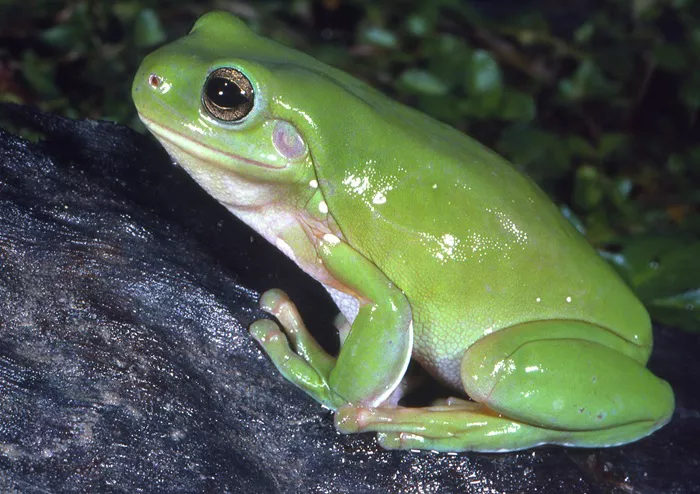
Green tree frogs are one of the most fascinating creatures in the amphibian world. Known for their vibrant colors and unique characteristics, these frogs have captured the imagination of people across the globe. When people think of green tree frogs, the first thing that often comes to mind is their color. But a common question arises: are green tree frogs really dark green? In this article, we will explore the color variations of green tree frogs, what makes them appear green, and how their environment and species contribute to their coloration. By the end of this article, you will have a deeper understanding of these beautiful creatures and the science behind their color.
The Green Tree Frog: An Overview
The green tree frog, scientifically known as Hyla cinerea, is native to the southeastern United States. This small, vibrant amphibian is most commonly found in trees, shrubs, and wetlands, where it thrives in humid environments. As one of the most recognizable frogs in North America, the green tree frog is often associated with its distinct green appearance. However, their color can vary depending on a variety of factors, including their age, health, and environmental conditions.
What Gives Green Tree Frogs Their Color?
The striking green color of green tree frogs comes from a combination of pigments in their skin and the way light interacts with their skin. The primary pigment responsible for their green color is called biliverdin, a green pigment that is found in the skin cells. The biliverdin is produced during the breakdown of red blood cells and contributes to the green coloration of the frog’s skin. However, the actual shade of green can vary, and frogs are not always the deep, dark green color that many people expect.
Do Green Tree Frogs Appear Dark Green?
The short answer is that green tree frogs can appear dark green, but it is not always the case. In fact, their coloration can vary widely, depending on several factors. Some green tree frogs may appear lighter in color, while others may have a darker, more intense green hue. Several factors influence the color of a green tree frog, including:
1. Species Variation
There are multiple species of tree frogs that are classified as “green tree frogs,” but not all of them exhibit the same coloration. For instance, Hyla cinerea is typically bright green, but other species may have different shades of green or even different colors entirely. Therefore, the specific species of green tree frog can impact whether it appears dark green or not.
2. Age and Developmental Stages
Younger green tree frogs may have a lighter, more vibrant green coloration, while adult frogs can have a darker, more subdued green hue. As frogs grow older, their pigmentation can change, and this may affect how “dark” their color appears. Frogs that are in their developmental stages might appear lighter or even slightly brownish, rather than a true dark green.
3. Environmental Factors
The environment in which a green tree frog lives can also influence its coloration. Frogs that live in shaded, dense vegetation may appear darker green due to the reduced light exposure and the way light filters through the leaves. On the other hand, frogs that live in areas with more sunlight may appear lighter in color, as the brighter light conditions can affect how the pigments in their skin are expressed.
4. Health and Stress
Health can have a significant impact on the appearance of a green tree frog. Frogs that are sick, stressed, or malnourished may have duller colors or may appear lighter than healthy, vibrant individuals. Stress factors such as changes in temperature, lack of food, or improper humidity levels can all affect the frog’s color. In some cases, the frog’s color may become darker as a way of responding to stress or to camouflage in its environment.
5. Lighting Conditions
The lighting conditions under which you observe a green tree frog can also play a role in how its color appears. In natural environments, the frog’s color may look darker in dim light or at night, while it may appear lighter during the day. If you’re keeping a green tree frog as a pet, it is important to note that the lighting in its enclosure can affect how its color appears.
Common Misconceptions About Green Tree Frogs
There are a few common misconceptions about green tree frogs, especially when it comes to their color. Many people believe that all green tree frogs are dark green, but as we’ve seen, their color can range from light to dark, depending on various factors. Here are some of the most common misconceptions:
1. All Green Tree Frogs Are Bright Green
While green tree frogs are often associated with a bright green color, not all of them are this vibrant. Some may appear duller or darker, depending on their age, health, and environmental factors. The bright green color is more commonly seen in younger frogs, while adults may display a darker or more muted shade of green.
2. Green Tree Frogs Are Always the Same Color
Another misconception is that all green tree frogs are the same shade of green. However, as we’ve discussed, their color can vary significantly. The variation in coloration is influenced by factors like species, age, and environmental conditions, making it impossible to generalize that all green tree frogs are the same color.
Adaptation and Camouflage
Coloration plays a crucial role in the survival of green tree frogs. Their green color helps them blend into their environment, providing camouflage from predators. Frogs that live in areas with dense green foliage will use their coloration to blend in with the leaves, making it more difficult for predators to spot them. However, darker green frogs may be better suited for environments with less light, while lighter green frogs might blend more effectively in bright, sunny areas. This adaptation is an example of how the environment can influence not just the appearance of the frog but also its survival strategy.
Why Are Green Tree Frogs So Colorful?
One of the reasons green tree frogs are so colorful is that their vibrant skin color helps them regulate temperature. Amphibians like frogs need to maintain a certain body temperature to survive, and their skin color can help them absorb or reflect sunlight. Darker-colored frogs may absorb more heat, while lighter-colored frogs may reflect sunlight, helping to maintain their body temperature. This color variation is an important aspect of their biology and survival in different habitats.
Conclusion
In conclusion, green tree frogs can indeed appear dark green, but this is not always the case. Their coloration varies depending on factors such as species, age, environmental conditions, and health. While their bright green hue is often associated with these frogs, they may also appear lighter or darker, and their color can change over time. Understanding the factors that influence their coloration can deepen our appreciation for these remarkable creatures. Whether they appear light or dark green, the green tree frog remains one of the most captivating amphibians in the world, admired for its beauty and adaptability.