
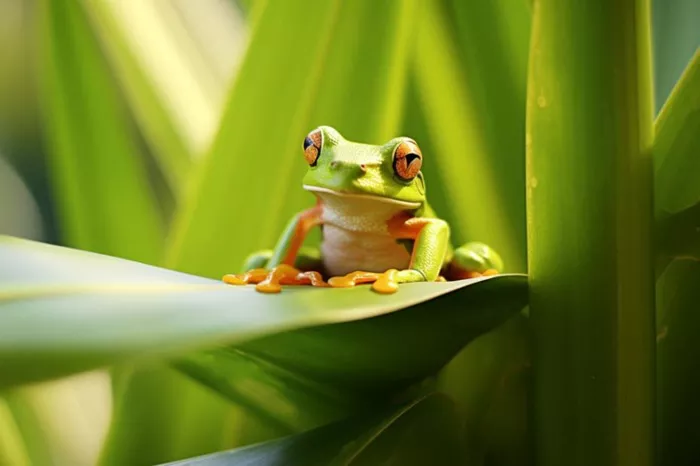
Green tree frogs are often seen as cute, harmless creatures that are commonly found in gardens, backyards, and wetlands. These small, vibrant amphibians are known for their bright green color and distinctive croaking sounds. While they may look appealing, many people wonder if green tree frogs are dangerous. This article will provide detailed information about their behavior, habitat, and potential risks to humans and other animals. We will also discuss the ecological importance of these frogs and debunk some common myths about them. By the end, you will have a clear understanding of whether green tree frogs pose any real danger.
Introduction
Green tree frogs are widely distributed across various parts of the world, especially in tropical and subtropical regions. Their distinct appearance, with smooth, bright green skin and large, bulging eyes, makes them easy to identify. These frogs primarily live in trees and bushes, which gives them their name. While many people are curious about the potential dangers posed by green tree frogs, it is important to assess their nature carefully. In this article, we will explore their behavior, how they interact with their environment, and whether they pose a threat to humans or other species.
Habitat and Behavior of Green Tree Frogs
Green tree frogs thrive in moist environments and can be found in forests, wetlands, and urban areas that provide the right conditions for their survival. They are excellent climbers and often seek refuge in trees, shrubs, or tall grasses, where they remain hidden during the day. At night, they are more active, using their powerful hind legs to leap and climb in search of food or mates. The frogs are mostly solitary but will gather in groups during mating season. Green tree frogs are insectivores, primarily feeding on small insects such as flies, mosquitoes, and moths.
Are Green Tree Frogs Venomous?
One of the most common questions people have about green tree frogs is whether they are venomous. The short answer is no. Green tree frogs do not produce venom, and they are not poisonous to humans. However, like all amphibians, they secrete mucus from their skin, which acts as a defense mechanism against predators. This mucus contains chemicals that can be irritating to the skin and eyes, but it is not harmful or life-threatening to humans. In fact, these secretions help protect the frogs from parasites and bacteria that could harm them.
Potential Risks to Humans
While green tree frogs are generally harmless, there are a few situations in which they may pose minor risks to humans. For example, some individuals may experience mild allergic reactions to the frog’s skin secretions. This is particularly true for those with sensitive skin or pre-existing allergies to amphibians. In rare cases, handling the frogs without washing hands afterward could lead to irritation or rash. To avoid this, it is recommended to handle green tree frogs with care, using gloves if necessary, and to wash hands thoroughly after contact.
Green Tree Frogs and Pets
If you have pets such as dogs or cats, you may wonder if green tree frogs pose a danger to them. Generally, green tree frogs are not harmful to pets. However, some pets, particularly dogs, may be curious about the frogs and might try to eat them. While the frogs themselves are not toxic, consuming them could lead to digestive issues or a mild stomach upset. It’s important to monitor pets when they are in areas where green tree frogs are present to ensure they don’t ingest them.
Green Tree Frogs in the Ecosystem
Green tree frogs play an important role in the ecosystem. They help control insect populations by eating various pests, including mosquitoes and flies. By keeping the insect population in check, green tree frogs contribute to maintaining a healthy environment. Additionally, they serve as prey for other animals, such as snakes, birds, and larger amphibians, thereby supporting the food chain. Their presence is also a good indicator of the health of an ecosystem, as frogs are sensitive to changes in their environment.
Myths About Green Tree Frogs
There are several myths and misconceptions about green tree frogs that can lead to misunderstandings about their nature. For instance, many people mistakenly believe that all frogs are dangerous or poisonous. However, this is not the case, especially for green tree frogs. While some species of frogs do produce potent toxins, green tree frogs are not among them. It is also often assumed that all amphibians are aggressive, but green tree frogs are generally calm and prefer to avoid human contact unless provoked.
How to Safely Interact with Green Tree Frogs
If you encounter a green tree frog in your garden or backyard, there are a few tips you should keep in mind to interact with them safely:
- Do not handle the frog unless necessary. If you must handle them, wear gloves to avoid contact with their skin secretions.
- Wash your hands thoroughly after touching a frog to prevent any irritation.
- Avoid touching the frog’s eyes or mouth, as these areas are more sensitive to chemicals and contaminants.
- Respect their space. Green tree frogs are not domesticated and should be left in their natural habitat.
Conclusion
Green tree frogs are not dangerous creatures, and they do not pose a significant threat to humans or animals. While their skin secretions may cause mild irritation in some individuals, they are generally harmless and do not produce venom or toxins. These frogs are valuable members of the ecosystem, helping control insect populations and serving as prey for other animals. With proper handling and respect for their natural habitat, green tree frogs can coexist peacefully with humans and contribute to a healthy environment. Always remember to approach them with care and avoid unnecessary contact to ensure a safe and enjoyable experience.