
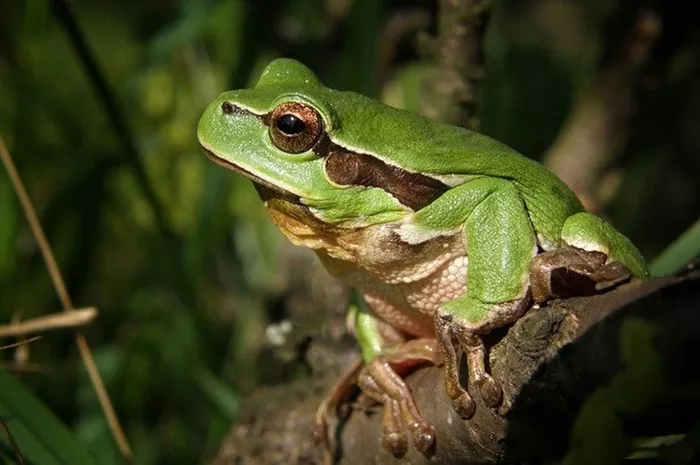
Green tree frogs are fascinating creatures known for their bright green coloration and unique vocalizations. These amphibians are commonly found in various regions, especially near water sources like ponds, lakes, and marshes. While many people are curious about their behaviors, one question often comes up: are green tree frogs nocturnal? In this article, we will explore the behavior patterns of green tree frogs, their activity cycles, and why they are known for being nocturnal. We will also look at the environmental factors influencing their behavior, and what this means for their survival and habitat.
The Nocturnal Habits of Green Tree Frogs
Green tree frogs are primarily nocturnal, meaning they are most active during the night. This behavior helps them avoid predators and allows them to take advantage of cooler temperatures. At night, these frogs emerge from their daytime hiding spots to hunt for food, socialize, and engage in mating calls.
During the night, the frog‘s senses are heightened to detect prey, such as insects. Their large, bulging eyes help them spot food in the dark, while their long, sticky tongues quickly capture insects. This nocturnal activity allows green tree frogs to thrive in environments where food sources are abundant at night.
Why Are Green Tree Frogs Nocturnal?
Green tree frogs have evolved to be nocturnal for several reasons. The primary reason is to avoid daytime heat. The sun’s rays can make the environment too hot for these cold-blooded creatures, making it harder for them to regulate their body temperature. By staying in the shade or hidden during the day, they conserve energy and remain cool.
Another reason for their nocturnal behavior is to avoid predators. Many predators, such as birds and snakes, are active during the day. By staying out of sight during these hours, green tree frogs reduce their chances of being eaten.
Physical Adaptations for Nocturnal Life
Green tree frogs have several physical traits that make them well-suited for a nocturnal lifestyle. Their large eyes, which are adapted for seeing in low light conditions, help them detect movement in the dark. They also have excellent hearing, which is crucial for locating mates through vocalizations, even in the dark.
Their green color helps them blend into the environment, especially at night when they rest in trees or vegetation. Their long, sticky tongues are perfect for catching insects, which are most active in the evening and night hours. These adaptations help them thrive in a nocturnal world.
Behavioral Patterns of Green Tree Frogs
The green tree frog‘s nocturnal behavior is not limited to hunting and feeding. They are also known for their distinctive mating calls, which are typically heard at night. Male frogs emit loud, repetitive croaks to attract females during the breeding season. These calls are often heard from trees, bushes, and other high places where frogs prefer to perch.
During the day, green tree frogs rest in cool, shaded spots. They may hide under leaves, in tree branches, or even in the bark of trees to avoid the heat. This behavior is essential for conserving energy and staying hydrated. These frogs will remain hidden during the daytime to avoid exposure to sunlight, as they are sensitive to high temperatures and drying out.
Green Tree Frogs and Their Ecosystem
As nocturnal creatures, green tree frogs play an important role in their ecosystem. They help control insect populations by feeding on a variety of bugs, including mosquitoes, flies, and moths. This natural pest control helps maintain a balance in the ecosystem and prevents overpopulation of insects, which could otherwise cause damage to plants and crops.
In addition, green tree frogs serve as prey for larger animals, such as birds, snakes, and other predators. This keeps the food chain in balance, providing nourishment for various species within the ecosystem. By being active at night, green tree frogs fit into their environment’s nocturnal food web, supporting biodiversity.
Environmental Factors That Affect Nocturnal Behavior
While green tree frogs are typically nocturnal, their behavior can be influenced by environmental factors. Temperature is one of the most significant influences on their activity. During colder months or extreme weather conditions, green tree frogs may become less active and enter a state of hibernation. They will seek shelter in burrows or under leaves to escape the cold.
Humidity also plays a key role in their nocturnal activity. These frogs thrive in moist environments, as they are highly sensitive to dehydration. If the humidity is too low, they may become sluggish and less active. On the other hand, during rainy nights, green tree frogs tend to be more active, as the moisture in the air helps them stay hydrated.
The Importance of Green Tree Frogs in Research
Green tree frogs are often studied in scientific research because of their nocturnal behavior and their sensitivity to environmental changes. Researchers study their activity patterns, mating behaviors, and how they respond to changes in temperature and humidity. This research helps scientists understand how amphibians, in general, adapt to changing climates and ecosystems.
Furthermore, the green tree frog’s ability to thrive in different habitats makes them an important species for studying conservation efforts. As environmental conditions change due to climate change, understanding how these frogs adjust their behaviors can provide valuable insight into how other species may respond to similar challenges.
Challenges Faced by Green Tree Frogs
Despite their ability to adapt to nocturnal life, green tree frogs face several challenges. Habitat loss due to deforestation, urbanization, and pollution has significantly reduced their living spaces. These factors disrupt their natural behavior patterns, making it difficult for them to find food and suitable breeding grounds.
Climate change is another significant threat to green tree frogs. Altered temperature and humidity patterns can affect their nocturnal activity and overall survival. As global temperatures rise, these frogs may have to alter their behavior to adapt to new conditions, which could impact their population numbers in the long term.
Conclusion
In conclusion, green tree frogs are indeed nocturnal creatures. Their nocturnal behavior helps them survive in a world filled with predators and extreme temperatures. By being active at night, they avoid daytime heat, reduce their risk of predation, and take advantage of abundant food sources. Their physical adaptations, such as large eyes and sticky tongues, make them well-suited for a nocturnal lifestyle. However, environmental factors such as temperature, humidity, and habitat loss can influence their activity and survival. It is essential to protect these fascinating creatures and their ecosystems to ensure their continued existence in the wild.