
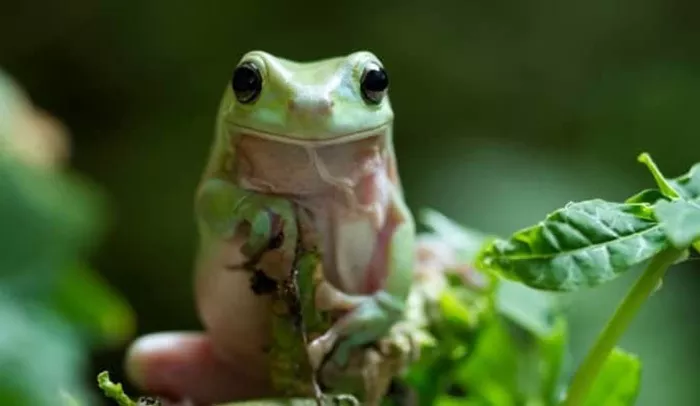
Green tree frogs are popular pets due to their vibrant color and interesting behavior. To ensure they thrive in captivity, it is important to understand what they eat. Providing them with a proper diet is essential for their health, growth, and overall well-being. This article will explore the various foods green tree frogs eat in captivity, how to feed them, and other important considerations for their diet.
Introduction
Green tree frogs, also known as Hyla cinerea, are small, agile amphibians native to the southeastern United States. In captivity, these frogs are commonly kept as pets, but their diet requires careful attention to ensure they stay healthy. A well-balanced diet helps green tree frogs maintain their energy levels, achieve proper growth, and keep their skin moist. In this article, we will look at what to feed green tree frogs, how often to feed them, and important considerations for their diet.
What Do Green Tree Frogs Eat?
In the wild, green tree frogs are insectivores, meaning they primarily eat insects. In captivity, their diet should closely resemble what they would consume in their natural habitat. While green tree frogs are opportunistic feeders, they mainly rely on live prey for nutrition.
Insects
The primary food source for green tree frogs in captivity is live insects. These frogs will happily consume a variety of insects, including:
- Crickets: Crickets are the most common food for green tree frogs. They are easy to find in pet stores and are packed with nutrients. Crickets should be gut-loaded (fed nutritious food) before feeding them to the frogs to ensure they are providing essential vitamins and minerals.
- Mealworms: Mealworms are another excellent food option for green tree frogs. They are high in fat and protein, making them a great treat for frogs. However, mealworms should be fed sparingly to avoid obesity.
- Fruit flies: These tiny insects are ideal for young green tree frogs or smaller individuals. Fruit flies are high in protein and easy for these frogs to catch.
- Waxworms: Waxworms are soft-bodied larvae that provide a good source of fat. Like mealworms, they should be used as occasional treats due to their high-fat content.
Other Invertebrates
Green tree frogs may also consume other small invertebrates, including:
- Dubia roaches: These roaches are nutritious and provide a good source of protein and calcium. They are less likely to escape than crickets, making them a popular choice among pet owners.
- Earthworms: Earthworms are another food source for green tree frogs. They are rich in nutrients and can be chopped into smaller pieces to make them easier for the frogs to consume.
- Ants: In the wild, green tree frogs sometimes feed on ants. However, ants should be given sparingly in captivity, as they can be difficult to digest and may cause digestive issues.
Other Food Considerations
Green tree frogs may occasionally eat other small creatures, such as small spiders or even small fish. However, their primary diet should consist of insects and other invertebrates. It is important to avoid feeding them harmful foods like dead insects or processed foods, as they can lead to health problems.
How Often Should You Feed Green Tree Frogs?
Feeding frequency depends on the age and size of the frog. Younger, growing frogs need to eat more frequently than adults.
Young Frogs
Young green tree frogs, or tadpoles, should be fed small insects such as fruit flies and small crickets. They should be fed daily or every other day to ensure they grow properly.
Adult Frogs
Adult green tree frogs require less frequent feeding. They should be fed approximately 3-4 times a week, depending on their size and activity level. It is important to avoid overfeeding them, as this can lead to obesity and other health issues.
Supplementing Their Diet
In addition to providing live food, green tree frogs need certain supplements to maintain good health. The most important supplements are calcium and vitamins.
Calcium
Green tree frogs require calcium for strong bones and proper muscle function. Without enough calcium, they are at risk of metabolic bone disease, a condition that affects their skeletal structure. To ensure they get enough calcium, dust the insects with a calcium powder before feeding them to the frogs.
Vitamins
Vitamins, especially vitamin D3, are also important for green tree frogs. Vitamin D3 helps frogs absorb calcium and maintain a healthy immune system. You can provide vitamin supplements by dusting their food with a multivitamin powder every few feedings.
Water and Hydration
Green tree frogs require constant access to clean, fresh water. They drink water through their skin, so it’s important to maintain humidity levels in their enclosure. Mist their habitat regularly to keep the environment moist. A shallow water dish should also be provided for the frogs to soak in, which helps them stay hydrated and aids in shedding their skin.
Feeding Tips and Best Practices
Here are some tips for feeding green tree frogs in captivity:
- Always provide live food to stimulate the frog’s natural hunting instincts.
- Feed insects that are appropriately sized for the frog. They should be small enough for the frog to catch and swallow easily.
- Do not overfeed. Frogs are prone to obesity, which can lead to other health problems.
- Gut-load the insects before feeding them to the frog to ensure they are packed with nutrients.
- Vary the diet. Offer a variety of insects to ensure the frog gets a balanced diet.
Conclusion
In conclusion, green tree frogs are insectivores that thrive on a diet of live insects such as crickets, mealworms, and fruit flies. Providing a balanced diet that includes calcium and vitamins is essential for their health and longevity. It’s important to feed them appropriately sized food, maintain proper feeding frequencies, and ensure they have constant access to clean water. By following these guidelines, you can help your green tree frog live a healthy, active life in captivity.
Related topics: