
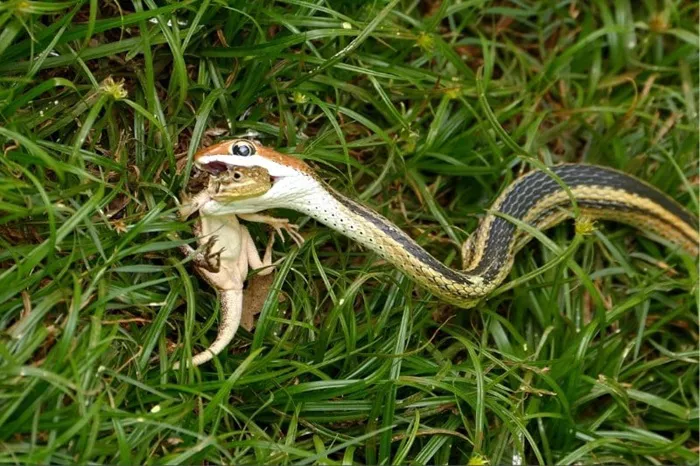
Lizards are small to medium-sized reptiles found in a wide range of habitats around the world. From deserts to forests, they play an important role in the ecosystem as both predators and prey. While lizards hunt insects, spiders, and even smaller reptiles, they themselves are targets for a variety of animals. Understanding who eats lizards helps us appreciate the delicate balance of nature and the food chains in which these reptiles exist.
Birds as Lizard Predators
Birds are among the most common predators of lizards. Many birds actively hunt lizards to meet their protein needs. Birds use keen eyesight to detect lizards, often spotting them from great distances.
Raptors and Birds of Prey
Hawks, eagles, and falcons are well-known for hunting lizards. They swoop down from above, capturing lizards with their sharp talons. These birds often target larger lizards that inhabit open areas.
Smaller Birds
Some smaller bird species, such as crows, jays, and shrikes, also feed on lizards. They tend to hunt young or smaller lizards, often striking with precision and agility.
Mammals That Eat Lizards
Mammals are another group of lizard predators. Some mammals hunt lizards regularly, while others eat them opportunistically.
Small Carnivores
Foxes, raccoons, weasels, and mongooses are known to prey on lizards. These mammals often hunt lizards at night or during early morning when lizards are less active.
Rodents and Other Opportunistic Mammals
Some mammals, including rats and opossums, may occasionally eat lizards if other food sources are scarce. These mammals usually hunt young or injured lizards that are easier to catch.
Reptiles Eating Lizards
Not all reptiles are herbivorous; many reptiles are carnivorous and hunt other reptiles, including lizards.
Snakes
Snakes are among the most significant predators of lizards. Species such as kingsnakes, rat snakes, and cobras actively hunt lizards. Snakes use stealth and ambush tactics, striking quickly to immobilize their prey.
Larger Lizards
Some lizard species are cannibalistic and may eat smaller lizards. Monitor lizards, for example, consume a wide range of prey, including other lizards. This behavior ensures survival in resource-limited environments.
Amphibians and Lizards
Though less common, some amphibians also feed on lizards, especially smaller species.
Frogs and Toads
Large frogs and toads, such as the African bullfrog, have been observed eating juvenile lizards. Their hunting relies on sudden lunges and sticky tongues to capture prey quickly.
Invertebrates Preying on Lizards
While lizards usually eat insects, some large invertebrates can turn the tables, especially on hatchlings.
Spiders and Scorpions
Certain large spiders and scorpions are capable of killing and consuming baby lizards. These predators rely on venom or strong pincers to immobilize their prey.
Centipedes
Giant centipedes have been recorded hunting small lizards in tropical regions. They use venom to paralyze the lizard before consuming it.
Humans and Lizards
Humans also eat lizards in some cultures. Lizards may be consumed as food or used in traditional medicine. While not a primary predator in the ecosystem, human consumption can impact local lizard populations if practiced extensively.
Environmental Factors Affecting Lizard Predation
The risk of predation varies depending on environmental conditions. Lizards living in open deserts face more bird predators, while forest-dwelling lizards are more likely to be hunted by snakes or mammals.
Habitat Type
Open habitats increase visibility and vulnerability to birds. Dense vegetation provides hiding spots but may expose lizards to snakes and small mammals that hunt by scent.
Season and Activity
Many lizards are more active during warmer seasons, which can increase exposure to predators. Some predators also hunt more actively during specific seasons, creating dynamic predator-prey relationships.
Lizard Defense Mechanisms
Lizards have developed multiple strategies to avoid predation.
Camouflage
Many lizards use coloration and patterns to blend into their environment, making it harder for predators to spot them.
Tail Autotomy
Some lizards can detach their tails when attacked. The wiggling tail distracts the predator, allowing the lizard to escape.
Speed and Agility
Lizards are often fast runners and excellent climbers, which helps them evade predators quickly.
Venom and Spines
Certain lizards, such as the Gila monster, use venom or spiny skin to defend themselves against predators.
Conclusion
Lizards are an integral part of the food web, serving as prey for a wide variety of animals. Birds, mammals, snakes, larger lizards, amphibians, and even some invertebrates hunt lizards, highlighting the complex interactions within ecosystems. Lizards have evolved numerous defense strategies to survive, from camouflage to tail autotomy. By understanding who eats lizards and how lizards avoid predators, we gain a deeper appreciation for these remarkable reptiles and their role in maintaining ecological balance.
Related topics: