
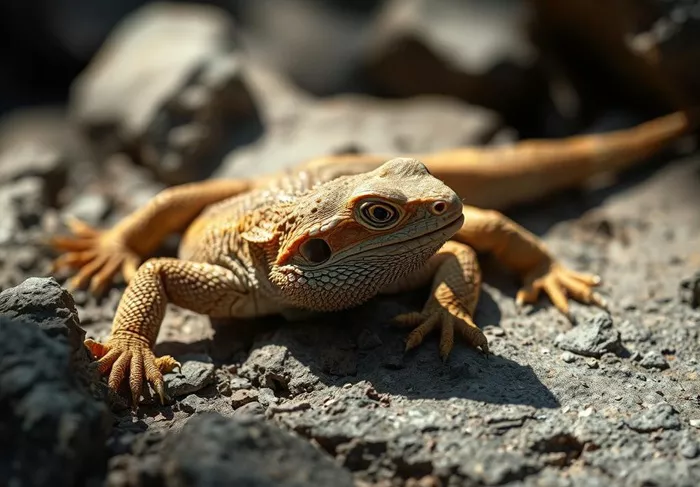
Lizards are fascinating reptiles that are kept as pets or observed in the wild. They are sensitive creatures, and their behavior can change quickly if they are stressed or unwell. Understanding the signs of distress in lizards is crucial for their health and survival. This article explains how to recognize when a lizard is in distress, what factors cause stress, and how to respond to their needs.
Understanding Lizard Behavior
Lizards have natural behaviors that indicate their health and emotional state. They use body language, movement, color changes, and vocalizations to communicate. Recognizing normal behavior helps identify when something is wrong. Stress in lizards can be caused by environmental factors, illness, handling, or social interactions.
Common Causes of Distress in Lizards
Poor Environmental Conditions
Lizards require specific temperature, humidity, lighting, and habitat conditions. If the terrarium or environment is not suitable, lizards may become stressed. For example, a lizard that is too cold may become lethargic, while a lizard exposed to too much heat may pant or try to escape.
Improper Diet
A lizard’s diet must meet its nutritional needs. Lack of proper food, dehydration, or inadequate supplements can lead to health problems and stress. Malnutrition often causes weight loss, reduced activity, and dull coloration.
Handling Stress
Excessive or improper handling can frighten lizards. Some species are more sensitive than others. Stress from handling can cause a lizard to hide, drop its tail, or display aggressive behavior.
Illness or Injury
Physical illness or injury is a major cause of distress. Signs such as swelling, open wounds, abnormal feces, or labored breathing indicate a medical problem that needs immediate attention.
Physical Signs of Distress
Changes in Color
Many lizards change color as a stress response. Bright or dark colors may indicate fear, sickness, or discomfort. For example, a green lizard may turn darker when stressed or ill.
Lethargy or Inactivity
A lizard that stops moving, hides excessively, or refuses to eat is likely in distress. Normal lizards are alert, explore their environment, and actively search for food.
Rapid Breathing or Open Mouth
Labored or rapid breathing is a common sign of stress or illness. Lizards may also open their mouths as a defensive behavior or due to respiratory problems.
Tail Loss or Self-Mutilation
Some lizards drop their tails when scared. Repeated tail loss or signs of self-mutilation indicate chronic stress or poor environmental conditions.
Abnormal Body Posture
Distressed lizards may flatten their bodies, puff up, or exhibit unusual movements. A bent spine or limp limbs can indicate injury or illness.
Behavioral Signs of Distress
Excessive Hiding
Lizards naturally hide, but excessive hiding is a warning sign. If a lizard stays in its shelter for long periods, it may be feeling unwell or stressed.
Aggression or Biting
Increased aggression or sudden biting behavior is often a response to fear or stress. Lizards may hiss, lunge, or try to escape when stressed.
Loss of Appetite
Refusal to eat is a strong indication of distress. Loss of appetite can result from illness, stress, or unsuitable habitat conditions.
Excessive Shedding Problems
Lizards shed their skin regularly. Difficulty shedding or retained skin can signal stress, dehydration, or poor health.
Environmental and Social Stressors
Temperature and Humidity Fluctuations
Lizards are cold-blooded, so they rely on external heat. Sudden temperature changes can cause stress and disrupt metabolism.
Improper Lighting
UVB light is essential for calcium metabolism and bone health. Inadequate lighting can lead to metabolic bone disease and stress.
Crowding or Incompatible Tank Mates
Some lizards are territorial. Housing multiple lizards in a small space can increase aggression and stress levels.
Medical Causes of Distress
Parasites and Infections
Internal or external parasites cause discomfort and behavioral changes. Symptoms may include lethargy, weight loss, diarrhea, or abnormal skin appearance.
Respiratory Diseases
Respiratory infections make breathing difficult. Lizards may show open-mouth breathing, wheezing, or mucus around the nostrils.
Metabolic Disorders
Calcium deficiency or vitamin imbalance can lead to metabolic bone disease, causing pain, deformities, and stress behaviors.
How to Respond When a Lizard Is in Distress
Observe Closely
Monitor your lizard’s behavior, appearance, and eating habits. Keep a log of any changes to help identify patterns or triggers.
Check the Environment
Ensure the temperature, humidity, lighting, and space meet the species’ requirements. Adjust any environmental factors that may be causing stress.
Provide Proper Nutrition
Offer a balanced diet suitable for your lizard species. Ensure access to clean water and any necessary supplements.
Minimize Handling
Reduce handling during periods of stress or illness. Allow your lizard to feel safe and secure in its environment.
Seek Veterinary Care
If physical signs of distress persist, contact a reptile veterinarian. Timely medical intervention can prevent serious health problems.
Preventing Stress in Lizards
Maintain Stable Conditions
Keep the habitat stable with proper temperature, humidity, and lighting. Avoid sudden changes that may trigger stress responses.
Enrich the Environment
Provide hiding spots, climbing branches, and a naturalistic environment. Environmental enrichment helps reduce stress and promotes natural behaviors.
Understand Species-Specific Needs
Different lizard species have unique requirements. Research your lizard’s natural habitat and behavior to provide optimal care.
Regular Health Checks
Regularly inspect your lizard for signs of illness or injury. Early detection of problems prevents long-term stress and health complications.
Conclusion
Recognizing distress in lizards is essential for their well-being. Physical signs, behavioral changes, environmental issues, and medical conditions all indicate stress. By observing your lizard carefully, maintaining appropriate care, and responding promptly to signs of distress, you can ensure a healthy, thriving reptile. Understanding your lizard’s needs allows you to provide a safe, comfortable environment and reduce the risk of stress-related health problems.
Related topics: