
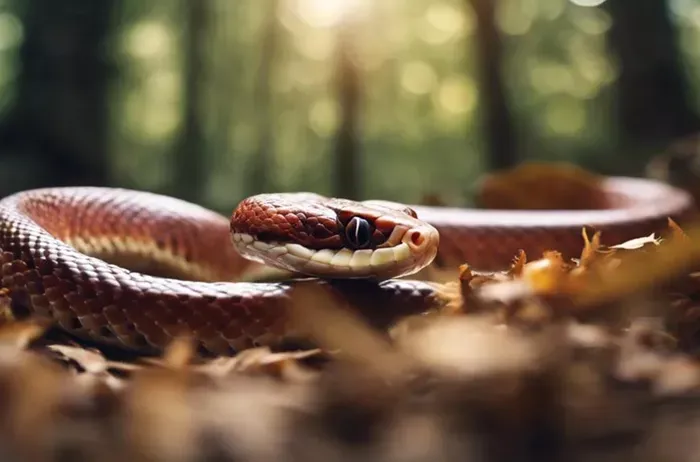
Have you ever wondered if your corn snake might eye its tank mate as a snack? It’s a question that puzzles many reptile owners and enthusiasts. Let’s unravel the mystery behind whether a corn snake will eat another snake, using real-world examples, easy analogies, and scientific facts to make this topic both accessible and fascinating.
What Is a Corn Snake?
Corn snakes (Pantherophis guttatus) are one of the most popular reptiles kept as pets. They’re known for their bright colors and docile temperament. Think of them as the “golden retrievers” of the snake world—friendly, easy to care for, and rarely aggressive.
Corn snakes are native to North America, mainly found in fields and forests. They got their name from being commonly found near cornfields, where they help farmers by eating pesky rodents. Unlike some other snakes, corn snakes are not venomous.
Understanding Reptile Diets: What Do Corn Snakes Usually Eat?
When it comes to food, corn snakes are classic carnivores. In the wild, their diet consists mainly of small rodents like mice and rats. Sometimes they’ll eat birds or even lizards if the opportunity arises. But do they eat other snakes?
Imagine your favorite pizza—corn snakes have their own “pizza,” which is usually made up of small mammals. While some snakes (like king snakes) are known for eating other snakes, corn snakes don’t usually have this on their menu.
Cannibalism in Snakes: Is It Common?
Cannibalism—when one animal eats another of its own species—does happen in the animal kingdom. Among reptiles, certain species like king snakes and some pythons are famous for this behavior. It’s like how some people have a taste for exotic dishes; these snakes see other snakes as just another meal.
But for corn snakes, cannibalism is extremely rare. Most experts agree that it doesn’t occur under normal circumstances. According to Dr. Emily Taylor, a herpetologist at Cal Poly University, “Corn snakes are rodent specialists; they don’t naturally hunt or eat other snakes in the wild.” (Source)
Why Might a Corn Snake Eat Another Snake?
There are exceptions to every rule—even among reptiles! If a corn snake is very hungry or stressed, or if there’s a significant size difference between two snakes housed together, cannibalism can happen. This is rare and usually linked to specific conditions such as:
- Extreme Hunger: If a corn snake hasn’t eaten in weeks and encounters a much smaller snake, it might mistake it for food.
- Competition: When two corn snakes are kept in too small an enclosure with limited resources, stress can trigger aggressive behavior.
- Mistaken Identity: Sometimes juvenile corn snakes may accidentally bite siblings during feeding time if they can’t distinguish between prey and another snake.
A real-life example comes from a reptile keeper named Jake (quoted in Reptiles Magazine): “I once housed two hatchlings together during feeding time and one tried to swallow the other’s tail! Luckily I intervened in time.” This highlights how accidents can happen but aren’t typical of corn snake behavior.
Corn Snakes vs. Other Snakes: Who Eats Whom?
While king snakes have earned the nickname “snake eaters,” corn snakes do not share this dietary trait. King snakes possess special immunity to other snake venoms and actively hunt other serpents—even venomous ones! In contrast, corn snakes stick to their usual prey and rarely deviate.
Think of it like comparing cats: while lions might hunt other big cats in the wild, your house cat prefers tuna over tigers!
Safe Housing Tips for Multiple Corn Snakes
If you’re considering keeping more than one corn snake together (a practice called cohabitation), here’s what you need to know:
- Feed Separately: Always feed each snake individually outside their main enclosure to prevent confusion or accidental biting.
- Monitor Size Differences: Never house much larger and smaller individuals together; size disparity increases risk.
- Provide Space: Ensure plenty of hiding spots and room so each snake can have its own territory.
- Watch for Stress Signs: If either snake acts aggressively or stops eating, separate them immediately.
Many experienced keepers advise against long-term cohabitation altogether due to these risks—even though actual cannibalism is unlikely in corn snakes.
Conclusion: Should You Worry About Your Corn Snake Eating Another Snake?
In summary, will a corn snake eat another snake? The answer is: it’s highly unusual but not impossible under stressful or extreme conditions. Most corn snakes prefer their usual rodent diet and do not seek out other reptiles as prey. With proper care—including feeding routines and adequate space—you can confidently keep your pet safe from accidental mishaps.
If you’re fascinated by reptiles or thinking about adding more corn snakes to your collection, remember: understanding their natural behaviors is key to successful husbandry. Awesome discoveries await when you learn more about these gentle serpents!
Related topics: