
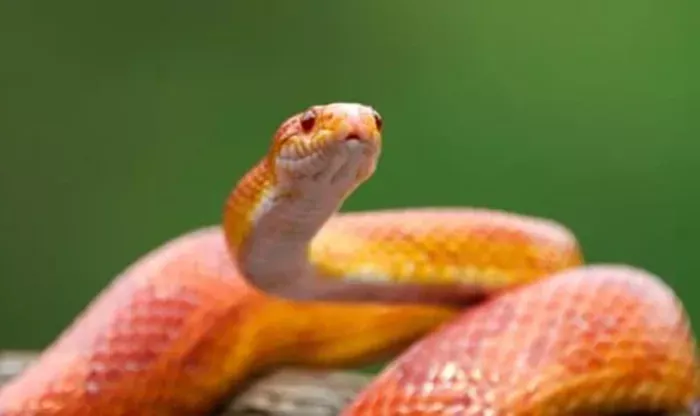
Corn snakes are among the most popular reptiles kept as pets, but have you ever wondered how these amazing creatures actually smell their surroundings? This simple yet intriguing question opens a door to understanding not just corn snakes, but also how reptiles sense the world. Let’s dive in and explore this captivating topic together!
Introduction: The Mystery of Corn Snake Scent Detection
When you watch a corn snake slither through its terrarium, tongue flicking in and out, you might ask yourself: How does it know where its food is? Or how does it recognize its home? The answer lies in its unique sense of smell—something that’s both awesome and a little mysterious. Don’t miss this deep dive into the world of reptile senses!
Sniffing Without a Nose: How Corn Snakes Smell
Unlike humans, corn snakes don’t rely on nostrils to smell in the same way we do. Instead, they use their tongue and a special organ called the Jacobson’s organ (also known as the vomeronasal organ). Think of it like having a super-sensitive chemical detector inside their heads!
When a corn snake flicks its tongue, it’s gathering tiny particles from the air and ground. Imagine your tongue as a mop picking up dust from the floor—except for snakes, their tongues collect scent molecules.
Once those particles are on the tongue, the snake pulls it back into its mouth and presses it against two small openings in the roof of its mouth. This is where the Jacobson’s organ comes into play. The organ analyzes these scent molecules and sends signals to the brain: “Food nearby!” or “Danger ahead!”
According to Dr. David Barker, a renowned reptile expert, “The tongue and Jacobson’s organ work together like a detective’s magnifying glass—helping corn snakes solve the mysteries of their environment.” (Barker, D., Corn Snakes: The Comprehensive Owner’s Guide, 2006)
Tongue Flicks: Nature’s Radar for Reptiles
Why do corn snakes flick their tongues so much? It’s because every flick gathers new information. You can think of this behavior like scanning for WiFi signals—each movement brings fresh data!
This method is incredibly efficient. A single tongue flick can pick up traces of prey, other animals, or even changes in temperature. For reptiles like corn snakes, this “radar” is essential for survival.
Comparing Snake Smell to Human Smell
Humans use noses to breathe in scents, which are processed by olfactory receptors. Corn snakes’ method is different but equally effective. Their Jacobson’s organ is tuned for chemical signals in the environment, especially those left by prey or predators.
Just as you might sniff out cookies baking in your kitchen, corn snakes detect scent trails from mice or other food sources with astonishing accuracy.
The Importance of Smell in Corn Snake Behavior
Smell guides nearly everything a corn snake does:
- Hunting: When searching for food, corn snakes follow invisible scent trails left by rodents.
- Navigating: They use chemical cues to recognize territory or find hiding spots.
- Mating: Smell helps them locate mates during breeding season.
- Safety: Chemical signals can warn them about predators or other dangers lurking nearby.
Anecdotes from reptile keepers often highlight just how sharp these senses are. One owner shared: “My corn snake always finds hidden food—even when I change its position every time!” This impressive ability comes from their advanced scent detection system.
What Makes Corn Snakes Unique Among Reptiles?
While many reptiles rely on smell, corn snakes stand out for their adaptability and sensitivity. Their Jacobson’s organ is particularly well-developed compared to some lizards or turtles.
If you’re keeping a corn snake as a pet, you’ll notice that even subtle changes—like cleaning their enclosure or introducing new bedding—can spark curiosity. The snake will immediately start exploring with rapid tongue flicks, ‘reading’ its environment through scent.
How Can You Support Your Corn Snake’s Sense of Smell?
As a reptile enthusiast, you can help your corn snake thrive by:
- Keeping their habitat clean but not overly sterile (some natural scents are beneficial).
- Offering diverse hiding spots so they can explore different smells.
- Using unscented substrates and avoiding strong chemicals near their enclosure.
- Placing food items strategically to encourage natural hunting behaviors.
This approach allows your pet to engage its powerful sense of smell—and keeps life interesting for both you and your reptile companion!
Fun Fact: Corn Snakes Can Even Sense Water!
Did you know that corn snakes use their smell to find water sources? Just like some people can sniff out rain in the air, these reptiles detect moisture using chemical cues—a skill that helps them survive in dry conditions.
Conclusion: The World Through a Corn Snake’s Nose (or Tongue!)
The next time you watch your corn snake flick its tongue or investigate its surroundings, remember: this behavior is more than just curiosity—it’s an essential part of how reptiles interact with their world. Thanks to the remarkable Jacobson’s organ and specialized tongue-flicking technique, corn snakes have developed one of nature’s most fascinating scent-detection systems.
Understanding how corn snakes smell not only enhances your appreciation for these incredible reptiles but also helps you care for them better. So go ahead—observe your pet closely and unlock even more secrets from the amazing world of reptiles!
Related topics: