
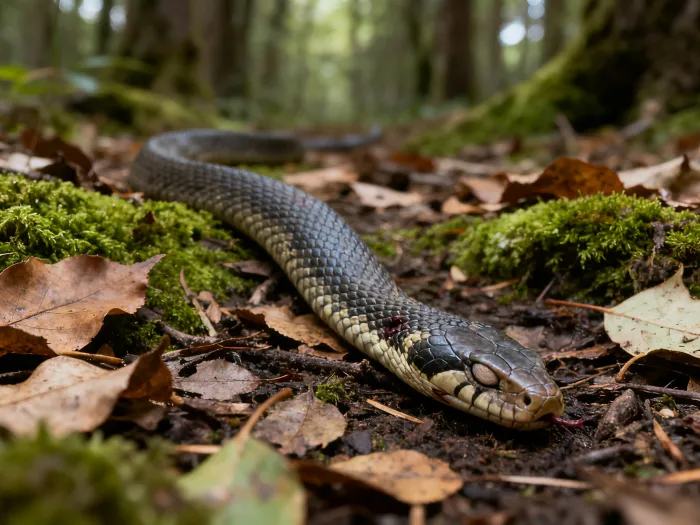
When you hear about snakes, you might picture them slithering quietly or striking with lightning speed. But what if I told you some reptiles use a trick straight out of a drama class—playing dead? The hognose snake, a fascinating member of the reptile family, is famous for this Oscar-worthy act. Let’s dive into the world of snakes and unravel why pretending to be lifeless is such an effective survival strategy. Don’t miss this awesome story about nature’s clever actors!
Meet the Hognose Snake: Nature’s Drama King
The hognose snake (genus Heterodon) is a small, stout reptile found in North America. You’ll recognize it by its upturned nose, which looks a bit like someone pressed their thumb into a lump of clay. This quirky feature helps it dig through sandy soils—imagine using your nose like a tiny shovel! While many reptiles rely on camouflage or speed to escape danger, the hognose snake has another trick up its sleeve: it fakes its own death.
Playing Dead: The Art of “Thanatosis”
In zoology, “playing dead” is called thanatosis. Think of it like pressing pause on life when things get scary. When threatened by a predator—say, a curious raccoon—the hognose snake flips onto its back, opens its mouth wide, sticks out its tongue, and even releases a foul-smelling liquid. To you, it might look like the snake is putting on an over-the-top performance (like a child pretending to be asleep to avoid chores), but for predators, this act can be convincing enough to make them lose interest.
Why Does This Work?
Predators often prefer live prey. A dead animal might be diseased or not worth eating. By acting lifeless and emitting a bad smell, the hognose snake sends a clear message: “I’m not fresh!” It’s similar to how you’d avoid spoiled food in your fridge. Many animals instinctively turn away, giving the snake a chance to escape when the coast is clear.
Other Snakes That Fake It
While the hognose snake is the poster child for playing dead among reptiles, other species also use this trick. For example:
- Grass snakes (Natrix natrix) in Europe sometimes play dead when caught.
- The Eastern indigo snake (Drymarchon couperi) may also use thanatosis on rare occasions.
But none are quite as theatrical as the hognose snake. Reptile keepers often share amusing anecdotes: “My hognose rolled onto its back and stuck out its tongue so dramatically, I almost believed it was gone!” (Reptile Magazine, 2022).
How Do You Spot Thanatosis?
If you ever come across a hognose snake in the wild or in captivity, watch closely when it feels threatened:
- It will flatten its neck (like a mini cobra)
- Hiss loudly—a sound that can surprise even experienced reptile enthusiasts!
- Suddenly roll onto its back with its mouth open and tongue lolling out
- Sometimes release a stinky musk
It’s a bit like seeing an actor go from “angry villain” to “tragic victim” in seconds.
Why Is This Behavior Important for Reptiles?
Playing dead is just one of many strategies reptiles use to survive. Unlike mammals that might run away quickly (think squirrels darting up trees), snakes rely on deception and subtlety. By faking death, the hognose snake avoids direct confrontation and increases its chances of survival—a smart move in the unpredictable world of wild predators.
What Should You Do If You See a Snake Playing Dead?
If you encounter a hognose snake acting lifeless:
- Don’t panic—it’s harmless and not truly dead!
- Give it space; eventually, it’ll realize there’s no danger and slither away.
This remarkable behavior is not just fascinating—it’s proof of how adaptable and creative reptiles can be when facing threats.
Conclusion: Nature’s Clever Survival Strategies
The hognose snake demonstrates that survival isn’t always about strength or speed—sometimes, it’s about knowing how to put on a convincing show! Thanatosis offers these reptiles an extra layer of protection against predators who might otherwise see them as an easy meal. Next time you hear someone say snakes are boring or scary, remember: they’re also brilliant actors with tricks that have kept them alive for millions of years. Unlock more amazing secrets about reptiles by exploring their unique behaviors—and don’t miss out on learning why nature always finds clever ways to adapt!
Related topics: