
When you look at a tortoise, you might wonder: how long does this slow-moving reptile actually sleep each day? Is it similar to our own sleep patterns, or does it have a unique rhythm all its own? As a zoologist and reptile expert, let’s dive into the intriguing world of tortoise sleep, unraveling the mysteries with easy-to-understand explanations and relatable analogies. Don’t miss out—this journey into reptile rest will surprise you!
What Is Sleep for a Tortoise?
Sleep isn’t just for humans or your pet dog—it’s essential for all animals, including reptiles like tortoises. Sleep in tortoises is much like pressing the “pause” button on a movie. During this downtime, their bodies recover, grow, and conserve energy. Unlike mammals, tortoises don’t dream or snore (no cute snooze noises here!), but their need for rest is just as important.
“A sleeping tortoise looks almost like a statue—still and peaceful,” says Linda, a seasoned reptile keeper. “But inside, important processes are happening to keep it healthy.”
How Many Hours Do Tortoises Actually Sleep?
The big question: How long does a tortoise sleep? Most adult tortoises rest between 8 to 12 hours each night, while young tortoises or hatchlings may sleep even longer—sometimes up to 15 hours! This is much like teenagers needing more sleep than adults. If you compare it to people, think about how you might feel after staying up late; tortoises need their beauty rest too!
Factors That Influence Tortoise Sleep:
- Species: Different types of tortoises (like the African spurred tortoise or Russian tortoise) have slightly different sleep needs.
- Age: Younger tortoises sleep more, just as human babies do.
- Environment: Cooler temperatures make them want to nap longer (just like us in winter!), while warmer weather can shorten their sleep.
- Seasonal Changes: In the wild, some species enter brumation (a reptilian version of hibernation), sleeping for weeks or months during cold seasons.
According to the Journal of Herpetology (2021), “Tortoise sleep duration can vary greatly depending on habitat and climate.”
Where and How Do Tortoises Sleep?
Imagine your own cozy bed—tortoises seek comfort too! In captivity, they’ll often burrow into soft bedding or hide under shelter. In the wild, they dig shallow holes or nestle beneath rocks to avoid predators and extreme weather. Their shell acts like a built-in blanket, offering safety and warmth while they snooze.
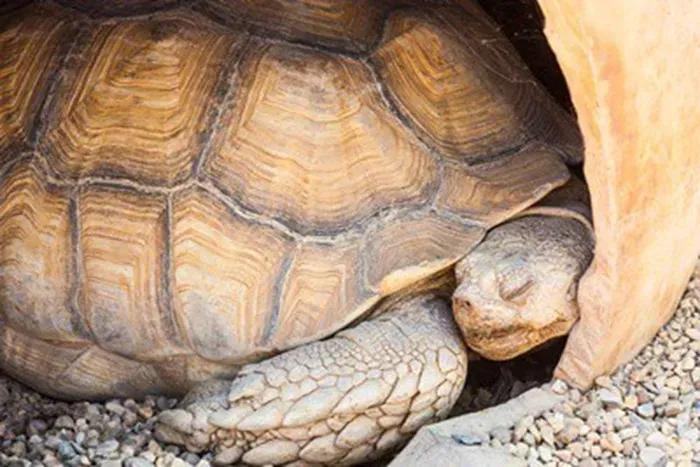
When sleeping, tortoises become very still. Their eyes may be closed or half-shut—a bit like when you’re dozing on a sunny afternoon. You’ll notice that their breathing slows down considerably; it’s nature’s way of helping them save energy.
Why Is Sleep Important for Tortoises?
Sleep helps tortoises:
- Recover from daily activities (even though they move slowly!)
- Strengthen their immune system
- Grow and develop properly
- Maintain healthy behavior patterns
Think of sleep as “charging their battery”—without enough rest, tortoises can become sluggish, irritable, or even sick. Just as we need good sleep for sharp minds and strong bodies, so do these amazing reptiles.
Real-life keeper Sam shared: “If my Greek tortoise doesn’t get enough sleep, he skips meals and hides away. It’s my signal to check his environment!”
Signs Your Tortoise Is Sleeping Well
Wondering if your pet is getting enough shut-eye? Look for these signs:
- Regular periods of inactivity during night or cool parts of the day
- Healthy appetite and normal behavior when awake
- Smooth growth and clear eyes
If your tortoise seems restless or stays awake all night, check if its habitat is too noisy or bright.
Common Myths About Tortoise Sleep
There’s plenty of confusion around reptile rest:
- Myth: Tortoises never really sleep—they just “rest.”
- Fact: Scientific studies show that reptiles experience true sleep cycles.
- Myth: They can go days without sleeping.
- Fact: Without regular sleep, tortoises become stressed and unhealthy.
- Myth: All tortoises brumate every winter.
- Fact: Only some species brumate; others stay active year-round.
These myths can lead to poor care—so knowing the truth helps you support your shelled friend!
- Fact: Only some species brumate; others stay active year-round.
Tips for Helping Your Tortoise Get Quality Sleep
Want your tortoise to be happy and healthy?
- Provide a quiet sleeping area free from bright lights or loud noises.
- Keep the temperature stable—not too hot or cold.
- Offer hiding spots using rocks or logs (think of it as building them a comfy pillow fort!).
- Stick to a routine so your tortoise knows when it’s time to wind down each day.
By following these tips, you’ll unlock awesome levels of comfort for your reptilian companion!
Conclusion: Unlocking the Secrets of Tortoise Slumber
Understanding how long a tortoise sleeps isn’t just interesting—it’s vital for giving them proper care. Most adult tortoises enjoy 8–12 hours of sleep nightly, influenced by age, environment, and species. By recognizing their needs and busting common myths about reptile rest, you’re well on your way to being an awesome caretaker! Remember: healthy sleep equals a happy shell buddy.
Whether you’re an aspiring herpetologist or simply curious about reptiles like the magnificent African spurred tortoise or Russian tortoise, knowing about their sleep habits will help you connect more deeply with these gentle creatures. Next time you see your pet dozing peacefully under its shell—celebrate! You’re witnessing one of nature’s oldest rhythms in action.
Related topics: