
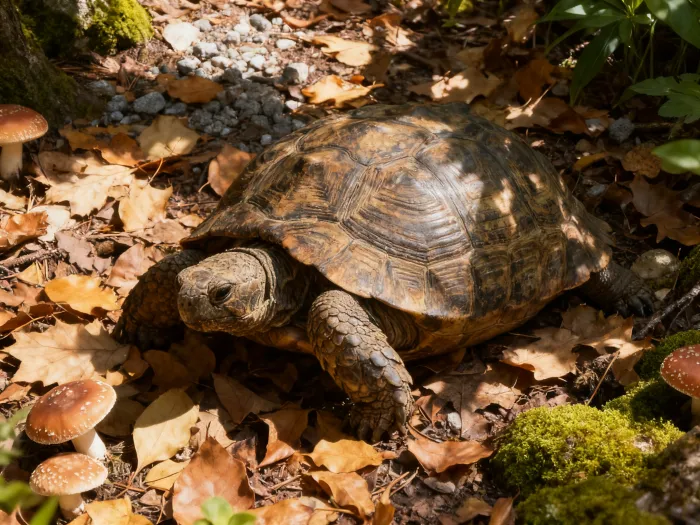
If you’ve ever marveled at the slow, deliberate movements of a tortoise basking in the sun, you might have wondered: Why do tortoises live so long? This is not just a question for zoologists and reptile enthusiasts—it’s a mystery that has fascinated scientists and animal lovers alike for centuries. Some species, like the famous Galápagos giant tortoise, can live well over 100 years. That’s older than many humans! Imagine a tortoise that hatched before your grandparents were born still munching away on leafy greens today. Awesome, right?
But what is it about these reptiles—the tortoise in particular—that allows them to enjoy such lengthy lives? In this article, we’ll journey through the biology, lifestyle, and environmental factors that contribute to their remarkable longevity. Along the way, we’ll simplify complex scientific ideas so everyone can join in, use analogies to make things clearer (think of a tortoise’s shell as its personal armor!), and share anecdotes from real reptile keepers. Whether you’re a curious beginner or a seasoned reptile fan, don’t miss this deep dive into one of nature’s most enduring mysteries.
The Tortoise Body: Built for Survival
Let’s start by looking at the basic biology of tortoises. If you picture a tortoise, you probably imagine its hard shell first. This shell isn’t just for show—it’s a powerful tool for survival. Think of it as the equivalent of a knight’s armor, providing protection from predators and harsh environments. The shell is made up of two parts: the carapace (top) and the plastron (bottom), both fused to the tortoise’s ribs and backbone. This fusion means that if danger lurks nearby, a tortoise can simply tuck its head and limbs inside its shell and wait out the threat.
This built-in security system means fewer injuries over a lifetime. Fewer injuries mean less wear and tear on the body, which helps tortoises avoid infections or trauma that could shorten their lives. As Dr. James Gibbs from SUNY College of Environmental Science and Forestry puts it, “The shell is not just protection—it’s a reason why these reptiles can age gracefully.”
But there’s more to their biology than just their shells. Tortoises are cold-blooded reptiles. This means they don’t use energy to keep warm like mammals do. Instead, they rely on their environment—basking in the sun when chilly and seeking shade when hot. Because they don’t waste energy on heating themselves up all day long, they burn calories slowly. Imagine running your phone in ‘battery saver’ mode all the time; it would last much longer between charges! Similarly, tortoises’ slow metabolism helps them conserve energy and reduce stress on their organs over time.
Another fascinating detail? Tortoises have low heart rates compared to mammals. A slower heartbeat means less strain on vital organs like the heart and lungs—another factor contributing to their long lives.
These biological advantages are shared by many reptiles, but tortoises take them to another level thanks to their unique adaptations.
Slow Living: The Tortoise Lifestyle Explained
Now let’s talk about how lifestyle impacts longevity in reptiles—especially our slow-moving friends, the tortoises. You’ve probably noticed that tortoises aren’t exactly sprinters; they move slowly and deliberately, whether they’re exploring their habitat or searching for food. While some might joke about being “as slow as a tortoise,” this unhurried pace has some real benefits when it comes to living longer.
Living life in the slow lane means less physical stress overall. Unlike fast-moving animals that burn out quickly (think of mice racing around), tortoises conserve energy with every step they take. Their muscles work less intensely, which reduces wear and tear over time—much like driving your car gently instead of flooring the gas pedal every day.
Tortoises also tend to have simple diets consisting mainly of leafy greens, grasses, fruits, and sometimes flowers—depending on their species and environment. They’re not chasing down prey or engaging in fierce battles for food; instead, they munch quietly on whatever is available. This gentle approach to eating reduces injury risk and keeps their bodies healthy.
Anecdotes from experienced reptile keepers reveal even more insights into how lifestyle affects longevity. One keeper shared that his Sulcata tortoise enjoys daily strolls around his garden but never seems rushed: “He takes his time exploring every corner—sometimes spending half an hour under one bush before moving on.” This relaxed attitude is typical among tortoises and likely contributes to their long lifespans.
Social behavior also plays a role here. Unlike some reptiles that fight fiercely over territory or mates (like certain lizards), most tortoise species are relatively solitary or peaceful in nature. Less fighting means fewer injuries—and fewer injuries mean better chances for a long life.
Genetics: The Hidden Blueprint for Longevity
So far we’ve talked about how shells protect tortoises from harm and how their slow lifestyles help preserve energy—but there’s another piece of the puzzle: genetics.
Every living creature has DNA—a set of instructions that tells its cells how to grow, repair damage, and age over time. In many animals (including humans), certain genes trigger aging processes that lead to cell breakdown as years go by. But research suggests that some reptiles—including many species of tortoise—have genetic blueprints that make them age much more slowly than other creatures.
Scientists have studied long-lived animals like Galápagos giant tortoises to find out what makes them special at the genetic level. According to recent studies published in journals such as “Nature,” these reptiles possess genes that help repair damaged DNA more efficiently than those found in shorter-lived species. Efficient DNA repair reduces errors during cell division—a key factor in slowing down aging.
Another genetic advantage? Tortoises seem less prone to cancer than many other animals. Cancer often develops when cells divide uncontrollably due to genetic mutations; if an animal has strong DNA repair systems (as with many tortoises), cancer risk drops significantly.
To put this simply: if aging is like rust forming on metal over time, then a tortoise’s genes act like special anti-rust paint—protecting their cells from damage year after year.
It’s important to note that genetics alone don’t guarantee longevity; environment matters too! But having such powerful anti-aging mechanisms certainly gives tortoises an edge over other reptiles—and even most mammals.
Environmental Factors: Nature’s Role in Long Life
Let’s shift our focus to where tortoises live—their habitats—and how those surroundings influence their lifespan.
Tortoises are found in many parts of the world: deserts (like Sulcata tortoises in Africa), forests (such as Asian forest tortoises), islands (think Galápagos giants), and even grasslands (Russian steppe tortoises). Each habitat offers different challenges and opportunities for survival—and these play key roles in determining how long individual reptiles live.
In safe environments with few predators, plenty of food, and stable weather conditions, tortoises thrive for decades—or even centuries! For example, Aldabra giant tortoises living on remote islands face few threats from predators or disease; as a result, they routinely reach ages above 100 years.
However, environmental pressures can also shorten lifespans if conditions are harsh or change rapidly (such as droughts or habitat destruction). A healthy habitat provides clean water, nutritious plants for food, shelter from extreme weather—and enough space for each reptile to move freely without competition or conflict.
Human impact is another big factor here. While wild populations sometimes face risks from poaching or habitat loss due to development projects, responsible reptile keepers create safe homes for captive tortoises by mimicking natural conditions as closely as possible. As one keeper noted: “My Hermann’s tortoise has lived with me for 50 years thanks to proper care—lots of fresh greens and sunny spots!”
In short: when nature supports them with stable environments free from danger or stressors—and humans help by protecting habitats—tortoises have everything they need for a very long life.
Adaptations Across Reptiles: What Sets Tortoises Apart?
Now you might be wondering: Do all reptiles live this long? What makes tortoises different from snakes or lizards?
While many reptiles enjoy longer lifespans than mammals (thanks largely to slow metabolisms), few can match the impressive ages reached by some species of tortoise. Snakes and lizards may live anywhere from several years up to several decades depending on species—but rarely reach 100 years like giant tortoises do.
Part of this difference comes down to physical adaptations unique to each group:
- Shell protection: Only turtles and tortoises have hard shells; snakes rely on camouflage or speed instead.
- Diet: Many snakes eat prey whole (which carries risk), while lizards may compete fiercely for insects; most tortoises stick with safe plant-based diets.
- Lifestyle: Tortoises are generally solitary and peaceful; some lizards form aggressive groups or fight for territory—which can shorten lifespan through injury.
- Metabolism: All reptiles have slower metabolisms than mammals—but among them, land-dwelling turtles (tortoises) are champions at energy conservation!
According to Dr. David Steadman at the University of Florida Museum of Natural History: “The combination of protective shell, low metabolic rate, gentle lifestyle habits—and genetic resistance to disease—makes giant land turtles among Earth’s longest-living vertebrates.”
So next time you see a slow-moving Sulcata or Galápagos giant basking contentedly under a warm lamp or sunny sky—remember that you’re witnessing one of nature’s true survivors!
Expanded Exploration: Global Perspectives & Anecdotes From Reptile Enthusiasts
The Global Distribution Of Long-Lived Tortoise Species
It’s fascinating how different regions nurture distinct species of long-lived reptiles—each adapted perfectly for local conditions yet sharing similar longevity traits with their cousins around the world! For instance:
- Galápagos Giant Tortoise (Chelonoidis nigra): Native only to Ecuador’s remote Galápagos Islands; individuals regularly exceed 100 years old thanks partly to isolation from predators plus abundant native vegetation.
- Aldabra Giant Tortoise (Aldabrachelys gigantea): Found mainly on Aldabra Atoll near Madagascar; huge populations roam freely without natural enemies—allowing generations upon generations to reach impressive ages!
- Sulcata Tortoise (Centrochelys sulcata): Africa’s largest mainland species survives harsh desert climates by burrowing underground during heat waves—a clever trick that reduces dehydration & helps avoid predators!
- Hermann’s Tortoise (Testudo hermanni): Popular across Mediterranean Europe; often kept as pets worldwide due both gentle temperament & capacity for thriving decades under attentive care!
Each example highlights how evolutionary pressures shape both anatomy & behavior according local challenges—all while retaining universal secrets behind reptilian longevity!
Reptile Keeper Stories That Inspire Trust And Wonder
Real-life anecdotes bring scientific facts alive! Consider this tale shared by an experienced keeper named Lisa:
“My first Russian steppe tortoise was already forty when I adopted him—and now he’s pushing sixty! Watching him sunbathe lazily every morning makes me appreciate patience & resilience… He survived changing climates plus generations of family dogs—all because he kept calm & carried his shell everywhere!”
Another keeper recounts her Galápagos giant named Hugo:
“He was part of my grandfather’s collection decades ago—and now he strolls peacefully through my garden every spring! Hugo has seen three generations grow up around him… His secret? Clean water daily plus plenty fresh greens & sunlight!”
Such stories prove these amazing reptiles become cherished family members—living links across generations!
Conclusion: Lessons From Nature’s Ancient Survivors
So what have we learned about why tortoises live so long? It’s not just one magic trick—it’s a combination of smart biology (like protective shells and slow metabolism), gentle lifestyles (avoiding stress and injury), powerful genetics (for repairing cells), supportive environments (whether wild or captive), and unique adaptations among reptiles.
When you spot a wise old Hermann’s or Aldabra giant enjoying its leafy lunch under bright sunlight—or hear stories from devoted reptile keepers who’ve watched their pets thrive decade after decade—you’re seeing proof that longevity comes from living smartly within nature’s boundaries. By understanding these secrets hidden within our favorite reptiles—the amazing tortoise—we gain insight into how all animals age…and perhaps even discover ways we might live healthier ourselves!
Don’t miss out on learning more about these incredible survivors; whether you’re caring for your own pet reptile or just admiring them from afar—the story behind every ancient shell is worth unlocking!
Related topics: