
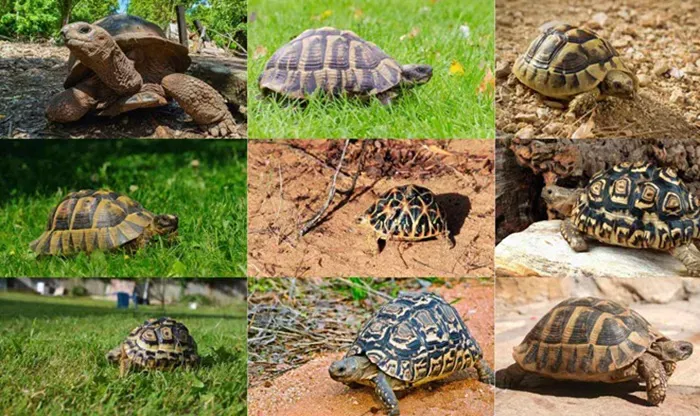
Have you ever gazed at a tortoise and wondered what makes it so unique among reptiles? If so, you’re not alone! The world of tortoises is filled with intriguing shapes, sizes, and behaviors—each species a living testament to nature’s creativity. Imagine a slow-moving, armored creature that carries its home on its back; that’s a tortoise for you. This article will guide you through the fascinating diversity of tortoises, introducing you to their habitats, habits, and what sets them apart from other reptiles. As we journey together, you’ll discover how these ancient reptiles have survived through centuries and why they’re cherished by enthusiasts worldwide.
To keep things simple and engaging, we’ll use everyday analogies and clear explanations, so even if you’re just starting your exploration into reptiles, you’ll feel right at home. Whether you’re a budding zoologist or simply curious about these shell-wearing wonders, this guide will unlock amazing facts and stories—don’t miss it!
What Makes a Tortoise Unique? Understanding the Basics of These Shelled Reptiles
Let’s start with the basics: What is a tortoise? In simple terms, a tortoise is a reptile known for its hard shell and slow movements. Think of its shell as a sturdy backpack—it’s not just for protection but also part of its body! Unlike turtles (which are their close cousins), tortoises live exclusively on land. Their feet are like tiny elephant legs—stumpy and strong—which help them walk over rough terrain but make swimming impossible.
Tortoises belong to the family Testudinidae. Their defining features include:
- A domed shell: Imagine an upside-down soup bowl; that’s how most tortoise shells look.
- Sturdy legs: If you’ve seen construction workers’ boots, that’s the kind of toughness these legs represent.
- Herbivorous diet: They munch on grasses, leaves, fruits, and flowers.
- Long lifespan: Some species can live over 100 years! That’s like having several generations of humans in one shell.
You might ask: Why are they so slow? Here’s a fun analogy—think of tortoises as the wise old grandparents of the reptile world. They take their time but always get where they need to go. Their slow metabolism helps them survive in harsh environments where food is scarce. According to Dr. Peter Scott from the International Union for Conservation of Nature (IUCN), “The slow pace of tortoises is not a weakness but an evolutionary strength—it allows them to conserve energy over long periods.”
Tortoises are found in various parts of the world—from scorching deserts to lush forests. Each species has adapted to its habitat in remarkable ways. Let’s dive deeper into some popular types!
Meet the Majestic Giants: Galápagos Tortoise and Aldabra Giant Tortoise
Imagine walking through a tropical island and stumbling upon a creature that looks like it belongs in prehistoric times—that’s exactly what happens when you encounter a Galápagos tortoise (Chelonoidis nigra). This species is one of the largest living tortoises and can weigh up to 400 kilograms (about as much as five grown adults)! Its shell is huge and shaped like a saddle, which helps it stretch its neck to reach high vegetation.
The Galápagos tortoise is famous not only for its size but also for its role in Charles Darwin’s theory of evolution. Darwin observed how different islands had different types of tortoises—some with longer necks, others with rounder shells—all adapting to their local environment. This inspired his groundbreaking ideas about natural selection.
Another colossal reptile is the Aldabra giant tortoise (Aldabrachelys gigantea), native to the Aldabra Atoll in Seychelles. These gentle giants roam grassy plains and mangrove swamps, grazing peacefully throughout the day. Their shells are smoother than those of Galápagos tortoises, and their temperament is calm—like friendly grandpas enjoying retirement on an island paradise.
Both species are symbols of conservation efforts worldwide. According to international reports from Conservation International, “Protecting giant tortoises ensures the health of entire ecosystems—they disperse seeds and maintain vegetation balance.” Keeping these giants safe benefits not just reptiles but all life around them.
If you ever visit these islands or see these creatures at a zoo, pause for a moment—their slow steps tell stories older than most civilizations! The keyword “Galápagos tortoise” is synonymous with resilience and adaptation in reptiles.
Desert Survivors: Sulcata Tortoise and Leopard Tortoise—Masters of Dry Habitats
Now let’s shift gears from tropical islands to dry deserts. The African spurred tortoise (Geochelone sulcata), also known as the sulcata tortoise, thrives in some of Earth’s harshest environments—the edges of the Sahara Desert. Picture a rugged explorer equipped for survival; that’s this reptile! Its thick skin protects against sunburn, while its burrowing skills rival those of expert miners. Sulcata tortoises dig deep tunnels to escape scorching temperatures—a bit like finding shade under your porch during summer heatwaves.
Sulcata tortoises are popular among reptile keepers because they grow quickly and can live up to 70 years or more. However, owning one is like adopting a lifelong companion; they require plenty of space and sturdy enclosures. One keeper shared online: “My sulcata loves watermelon rinds in summer—he bulldozes through anything in his way!” This anecdote highlights their strength and appetite.
Leopard tortoises (Stigmochelys pardalis) share similar habitats but have distinct spotted shells reminiscent of jungle cats—hence their name! These spots aren’t just decorative; they help camouflage the tortoise among dry grasses and shrubs. Leopard tortoises are gentler in nature and prefer grazing on soft plants.
What makes desert-dwelling species special? Their ability to survive months without water by storing moisture in their bodies—a trick comparable to carrying your own water bottle during hikes! According to reports from the World Wildlife Fund (WWF), “Desert reptiles like sulcata and leopard tortoises play key roles in maintaining soil health by mixing organic material as they dig.” These keywords—sulcata tortoise and leopard tortoise—reflect resilience in reptilian adaptation.
Forest Dwellers: Red-Footed Tortoise and Indian Star Tortoise—Colorful Characters With Unique Patterns
Moving on from deserts, let’s venture into forests where two vibrant species capture our imagination—the red-footed tortoise (Chelonoidis carbonarius) and Indian star tortoise (Geochelone elegans). Imagine walking through leafy undergrowth dotted with bright colors; these reptiles bring such scenes alive!
Red-footed tortoises hail from South American rainforests. Their shells have dark patches with vivid red or orange markings on their legs—a bit like wearing fancy socks! These colors help them blend into forest floors while searching for fruits or fungi. Red-footed tortoises are social creatures; keepers often describe how groups gather during feeding time or basking sessions: “It feels like having mini dinosaurs roaming my backyard,” says one enthusiast on Reptile Forums UK.
Indian star tortoises stand out for their stunning geometric patterns—a golden star radiating from each scute (shell segment). This design acts as natural camouflage against dappled sunlight filtering through forest leaves. Unlike their larger cousins, Indian star tortoises remain small (about the size of a dinner plate), making them favorites among collectors who appreciate beauty in miniature form.
Both species thrive in humid environments but require careful attention when kept as pets—temperature control is key! Think about it this way: if your home gets too cold or too hot, you’d feel uncomfortable; so do these sensitive reptiles.
Scientific studies published by Herpetological Review highlight how forest-dwelling species contribute to biodiversity by dispersing seeds from fallen fruits—a crucial role often overlooked outside scientific circles. The keywords “red-footed tortoise” and “Indian star tortoise” showcase diversity within forest reptiles.
The Rare Gems: Egyptian Tortoise, Pancake Tortoise & Conservation Challenges Facing Endangered Species
No discussion about different types of tortoises would be complete without mentioning some rare gems—the Egyptian tortoise (Testudo kleinmanni) and pancake tortoise (Malacochersus tornieri). Picture precious jewels hidden away; that’s how conservationists view these endangered reptiles.
The Egyptian tortoise is one of the smallest species—a true miniature among giants! Its pale yellow shell blends perfectly with sandy deserts along Egypt’s Mediterranean coast. Sadly, habitat loss has pushed this species close to extinction; according to IUCN Red List data, only a few hundred remain in the wild today.
On the other end of uniqueness lies the pancake tortoise—imagine flipping pancakes on Sunday morning! This species boasts an unusually flat shell allowing it to squeeze into narrow rock crevices for safety—a clever adaptation against predators such as mongooses or birds. Pancake tortoises live in East Africa’s rocky hillsides where their agility surprises even seasoned researchers.
Conservation stories abound: dedicated teams work tirelessly across Africa and Asia to protect habitats, prevent illegal trade, and breed endangered species in captivity. One keeper recounts how participating in rescue operations felt “like saving ancient treasures from vanishing forever.” According to reports from TRAFFIC Wildlife Trade Monitoring Network, “Community-based conservation programs offer hope for endangered reptiles—including Egyptian and pancake tortoises—but urgent action remains essential.” These keywords highlight pressing conservation challenges within rare reptile species.
Caring For Pet Tortoises: Practical Tips From Real Keepers & Common Misconceptions Debunked
Thinking about welcoming a pet tortoise into your life? Awesome choice! But before you dive in headfirst, let’s bust some myths and share practical advice straight from experienced keepers around the globe.
First myth: “Tortoises don’t need much care.” In reality, these reptiles require specialized environments tailored to their natural habitat—space for roaming (like having your own garden trail), proper lighting (think sunbathing after breakfast), humidity control (just enough mist—not too soggy!), and nutritious food options (fresh greens are always better than processed snacks).
Second myth: “All tortoises eat lettuce.” While some enjoy leafy greens, most need varied diets including hay, flowers, cactus pads—even occasional fruit treats! Keepers often joke that preparing meals for sulcata or red-footed friends feels like running a gourmet salad bar every day.
Third myth: “Tortoises hibernate everywhere.” Only certain temperate-climate species hibernate; tropical varieties do not—they prefer steady warmth year-round.
If you’re planning on adopting one:
- Research which type suits your lifestyle best (giant vs small breeds).
- Consult reputable sources like The Tortoise Trust or local herpetological societies for detailed care guides.
- Prepare long-term plans—remember that some species outlive dogs or cats!
- Consider ethical sourcing; avoid buying wild-caught animals whenever possible.
- Join online forums or local clubs where experienced keepers share tips daily—it feels like joining a friendly community picnic!
According to Dr. Amanda Hayes from The Tortoise Trust UK: “Successful reptile keeping begins with understanding each species’ needs—not just buying on impulse.” The keywords “pet tortoise” reflect responsible ownership within reptile communities worldwide.
The Journey Continues: Why Curiosity Is the Key to Reptile Conservation
Exploration never truly ends when it comes to learning about tortoises and reptiles. Every discovery opens a new door—each behavior, adaptation, or cultural story offers fresh insight into how life on Earth connects in intricate ways. When you share tales about ancient turtles at family gatherings or teach children about conservation, you become an ambassador for understanding and hope.
Imagine sparking a young mind’s curiosity with stories of tortoises symbolizing wisdom and endurance. That spark can grow into lifelong passion—fueling more people to protect biodiversity, volunteer at wildlife centers, or support sustainable initiatives.
By embracing diversity, promoting compassion, and celebrating science, you help bridge the gap between people and nature. Every story told, every action taken, strengthens the bond that keeps our planet vibrant and alive.
So don’t let the adventure stop here—keep exploring, keep asking questions, and keep finding joy in the extraordinary world of reptiles. The future of tortoise conservation begins with people like you—curious, compassionate, and ready to make a lasting difference.
Conclusion: Embracing Diversity and Stewardship — Your Role in the Future of Tortoise Conservation
As we reach the end of this fascinating journey into the world of tortoises, one thing becomes beautifully clear: every species tells its own extraordinary story. From the majestic Galápagos giants roaming ancient volcanic islands to the clever pancake tortoises hiding between rocks, each reptile has evolved remarkable traits that reflect nature’s creativity and resilience.
For beginners and enthusiasts alike, using simple analogies helps make scientific ideas easy to grasp—just like connecting puzzle pieces to see the bigger picture. Reliable research ensures the facts remain trustworthy, while real-life stories from experienced tortoise keepers add authenticity and warmth to our understanding.
But caring for reptiles isn’t only about feeding or housing them. It’s about respecting their ancient heritage, protecting fragile habitats, and sharing knowledge that inspires others to act responsibly. Whether you own a tortoise or simply admire them from afar, you play a crucial role in conservation—because awareness always starts with curiosity.
Your choices matter. By supporting ethical pet care, promoting biodiversity, and participating in global conservation programs, you become part of a worldwide effort to preserve these incredible creatures. Each small step—planting native flora, refusing illegal wildlife trade, or simply educating others—creates ripples that protect future generations of tortoises.
So let curiosity guide you toward responsible stewardship. Together, we can ensure that these wise, slow-moving reptiles continue to thrive in the wild and in human hearts for centuries to come.
Related topics: